Education & Dental Care
Topics & Tips
Bite Problems | Bone Grafting | Buildup | CBCT Scan | Cosmetic Dentistry | Cracked Fillings | Dental Implant | Dental Restoration | Emergency Dentistry | FAQ | General Dentistry | Holistic Dentistry | Invisalign | Orthodontics | Periodontal Disease | Root Canal | Dental Crowns | Sedation | Technology | Tooth Abrasion | Tooth Extraction
Interdental Brushes for Gum Recession
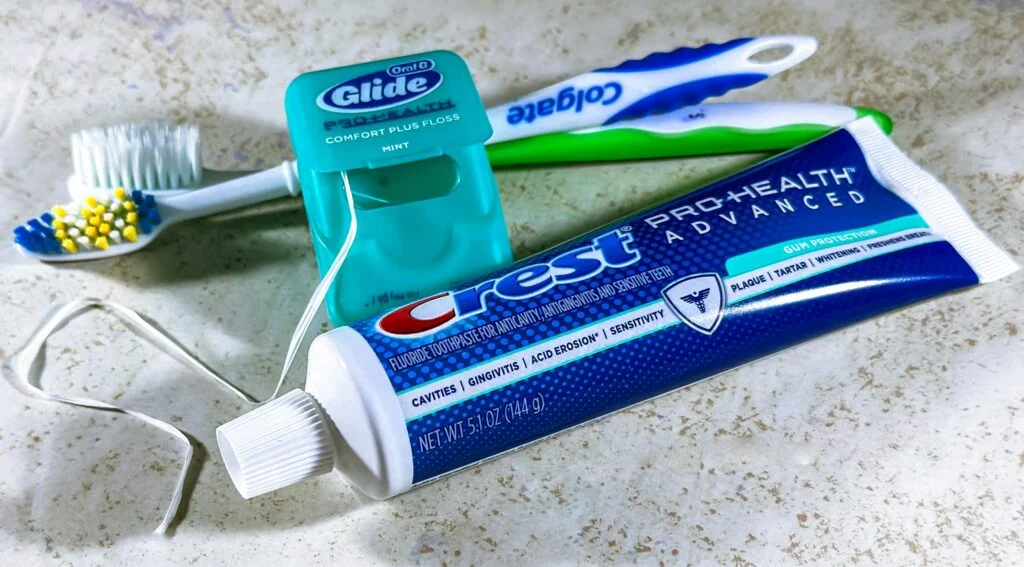
If gum recession or larger spaces are making floss less effective, a manual interdental brush may help clean those areas better. Here is how to tell when it may fit, when floss still matters, and how to choose the right…
When Floss Won’t Fit: Better Ways to Clean Between Teeth
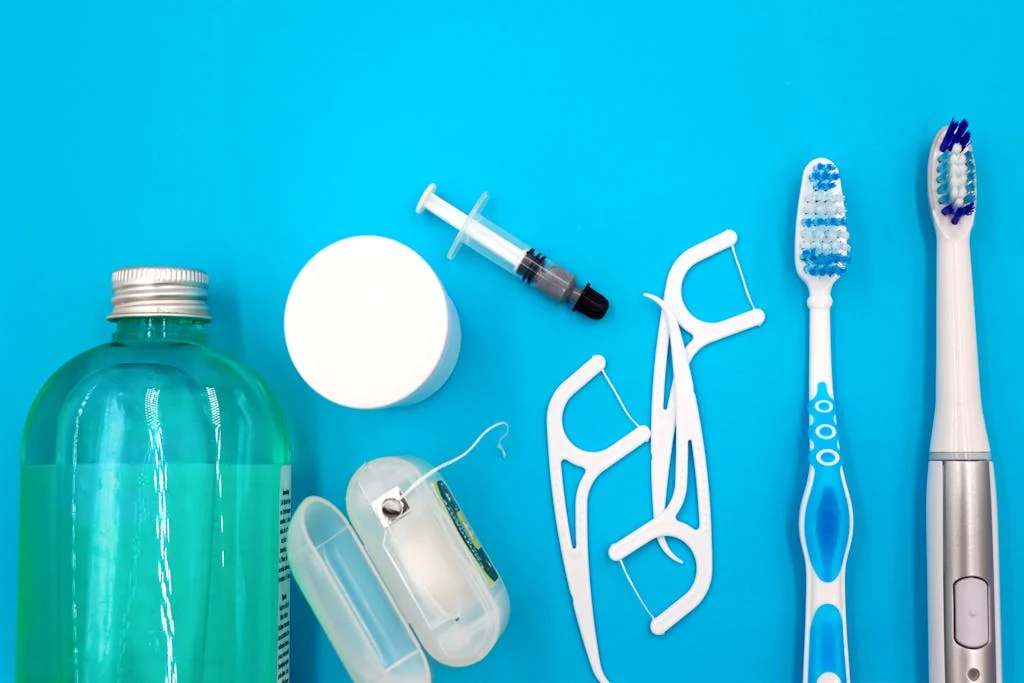
If string floss shreds, jams, or feels impossible, the problem may be fit rather than effort. Learn how interdental brushes, floss holders, dental tape, soft picks, and water flossers can help, and when a Hamilton dental exam can match the…
Implant-Supported Dentures: 7 Questions Before Your Consultation
Considering implant-supported dentures? These 7 questions can help Hamilton patients and families prepare for a consultation, understand lower versus upper jaw planning, maintenance, sedation rules in Ontario, and public coverage limits.
Electric or Manual Toothbrushes for Busy Hamilton Families
Both manual and electric toothbrushes can work well for Hamilton families. The better choice usually depends on brushing skill, supervision needs, braces, dexterity, and whether the routine is realistic twice a day.
Partial Denture Fit: What’s Normal and When to Book an Adjustment
A new or recently relined partial denture can feel awkward at first, but sharp pain, persistent sore spots, looseness, or clicking are not part of normal break-in. Learn what to expect, what not to ignore, and when a professional adjustment,…
How to Brush Gently When Gums and Teeth Feel Sensitive
Sensitive gums and early wear usually need gentler brushing, not scrubbing harder. This guide shows the safest brush setup, how to clean along the gumline, what toothpaste to choose, and when lingering sensitivity should be checked.
Back to the Dentist After Years Away: A Simple Oral Hygiene Reset
If it has been years since your last dental visit, you do not need to fix everything first. Here is a simple, shame-free reset for Hamilton adults: what to do at home this week, which warning signs mean book sooner,…
Missing Teeth in 2026: CDCP Coverage, Dentures, Bridges and Implants
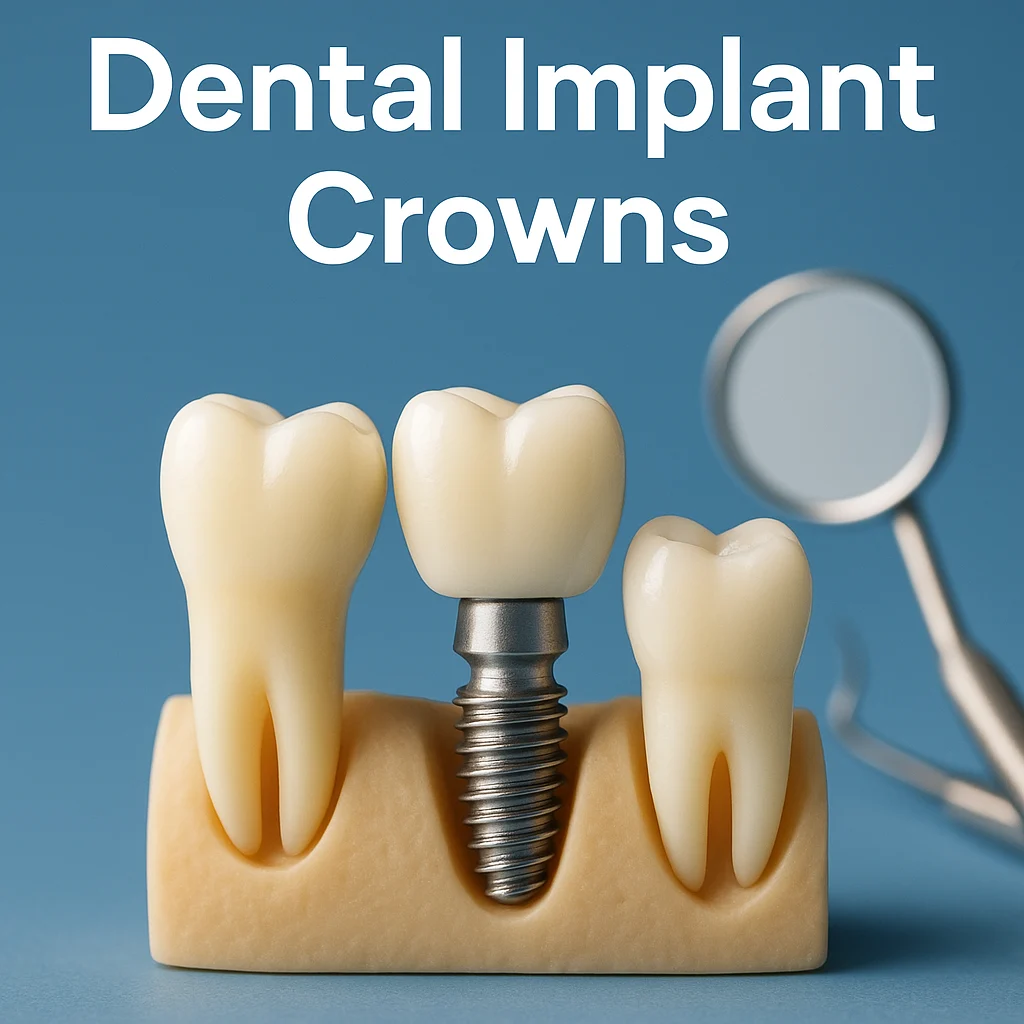
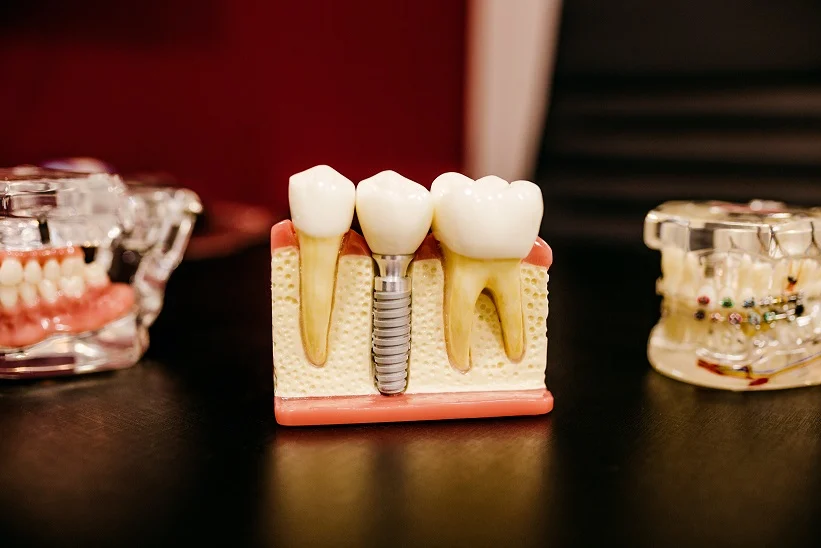
If you are missing teeth and using the Canadian Dental Care Plan in 2026, coverage may help with some options but not all. Here is what CDCP may cover for dentures and certain crown-related treatment, why implants are excluded, and…
Sedation Dentistry in Ontario: Realistic Expectations for Safety, Recovery, and What It Can and Cannot Do
Sedation dentistry can reduce anxiety and help dental treatment go more smoothly, but it does not guarantee sleep, complete amnesia, or zero risk. This Ontario-focused guide explains what sedation is meant to do, what you may still feel or remember,…
Sleep Bruxism and Tooth Damage: When a Night Guard Helps and When a Sleep Assessment Matters
If your teeth are wearing, cracking, or restorations keep breaking, a night guard may help protect them, but it may not answer the whole problem. This guide explains what sleep bruxism is, how dentists assess it, what a guard can…
Oral Cancer Screening at a Dental Checkup: Why It Matters and What It Can and Cannot Do
Oral cancer screening is often a quick part of a routine dental exam. Learn what the screening usually involves, who may be at higher risk, which mouth changes should be checked promptly, and why self-checks or special lights do not…
Oral Health and Heart Health: What the Evidence Actually Shows About Gum Disease and Cardiovascular Risk
Gum disease and heart disease are linked in research, but that does not mean one directly causes the other. This article explains what periodontitis is, what the evidence really shows, what it does not prove, and what patients can do…
Dry Mouth and Cavities: When Standard Toothpaste May Not Be Enough
If your mouth feels dry often, your cavity risk may be higher than you think. Learn why saliva matters, which fluoride options have the strongest support, and when to ask a dentist, physician, or pharmacist to review dry mouth symptoms…
Tooth Abrasion and Acid Wear: How Acidic Drinks, Citrus Water, and Brushing Habits Can Wear Teeth Down
Acid wear is different from cavities, and it is not always just about brushing too hard. Learn how citrus water, pop, sports drinks, reflux, and brushing timing can work together to wear enamel down, what early signs to watch for,…
Bleeding Gums and Blood Sugar: What Patients Should Know About Periodontal Disease and Diabetes Risk
Bleeding gums are common, but they are not normal. Learn how periodontitis and diabetes are connected, when blood sugar screening may be worth discussing, and what practical steps can help protect both oral health and overall wellbeing.
Do You Really Need a Dental Checkup Every 6 Months? What Risk-Based Recall Means in Ontario
A 6-month dental checkup is common, but it is not a rule that fits every adult. In Ontario, recall timing should be based on your current risk, how stable your mouth has been over time, and what kind of preventive…
Tooth Extraction Aftercare Basics: What to Do at Home, What Helps, and When to Call
A practical home-care guide for the first 24 to 72 hours after a routine tooth extraction or wisdom tooth removal, including bleeding, swelling, pain relief, eating, cleaning, and when to contact your dentist urgently.
Senior Dental Care and Medication-Related Dry Mouth: What Helps, What Raises Risk, and When to Ask for a Medication Review
Medication-related dry mouth is common in older adults and can do more than cause discomfort. It can raise the risk of root cavities, sore tissues, denture problems, and oral infections. This guide explains what causes it, what may help symptoms,…

EXCEL DENTAL
Book Your Appointment
The team at Excel Dental in Downtown Hamilton Ontario is here to provide you with the best experience possible with state-of-the-art technology and comfort in mind. Ask about our digital scanner, microscope, and 3-D X-rays in-house so you don’t have multiple visits.