
Night Guards for Grinding-Related Jaw Soreness: What They Can Help With, and What They Cannot
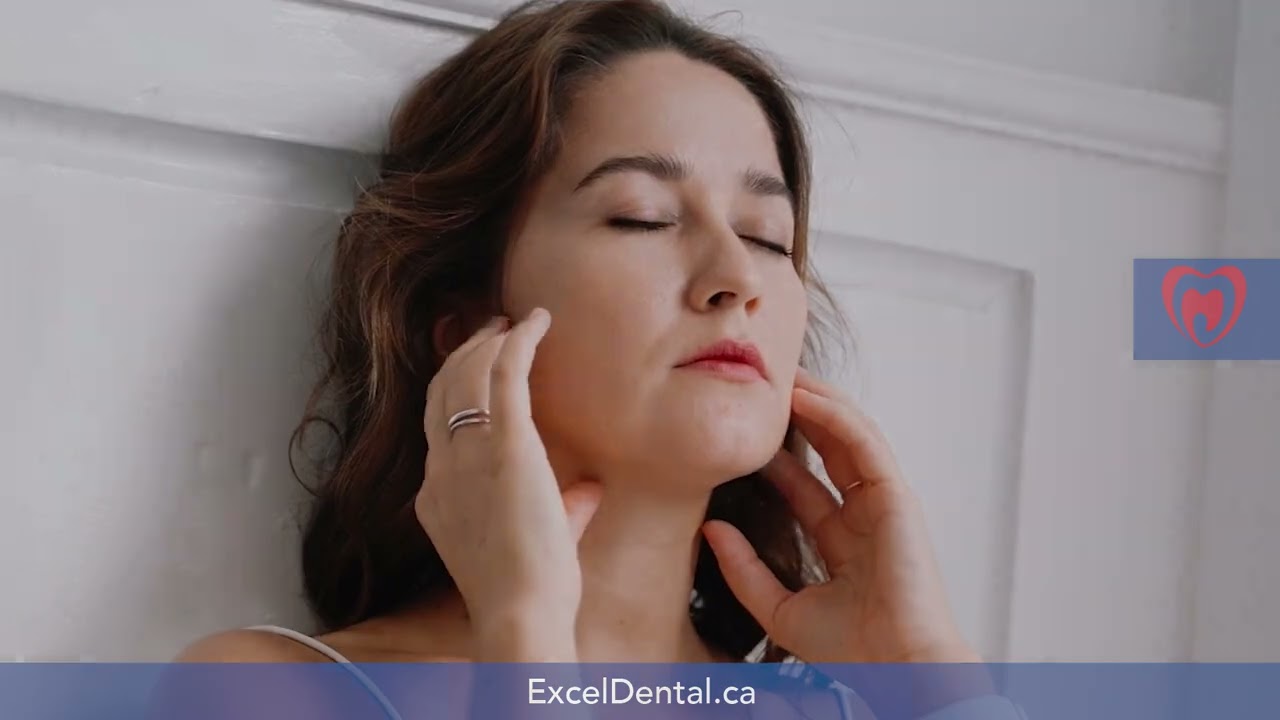
If you wake up with a sore jaw, tight teeth, or a headache pattern that seems worse in the morning, grinding or clenching may be part of the picture. Dentists call this bruxism. It means clenching or grinding your teeth, sometimes during sleep and sometimes while awake, often without noticing. Over time, it can wear teeth down, strain jaw muscles, and leave the jaw feeling tired or stiff after sleep.
What a night guard can help with
The main job of a night guard is protection. It creates a cushion between the upper and lower teeth so grinding or clenching does less damage to enamel, fillings, crowns, and other dental work. For some people, that also means less morning soreness. For others, the soreness improves only a little, or not at all.
That is why dentists usually describe a night guard as a conservative management tool, not a . It may help protect your teeth while you and your dentist keep track of symptoms, wear patterns, and possible triggers.
What it cannot promise
A mouth guard cannot guarantee that headaches will go away. Headaches are not automatically dental, even when jaw soreness is present. The same symptoms can also show up with temporomandibular disorders (TMD), stress-related muscle tension, sleep issues, or other medical causes. Recent reviews of splints for muscle-related TMD show that pain and headache benefits are variable, and the evidence quality is often limited.
Why a dental exam matters
A dental exam can help sort out whether grinding, tooth wear, a bite problem, or joint and muscle irritation may be contributing. That matters because jaw soreness and headaches are not specific enough to self-diagnose. Your dentist may look for worn edges, chipped teeth, cracked fillings, jaw tenderness, clicking, or limited opening.
If you want a general checkup that can include this kind of evaluation, a dental exam is a good place to start.
Custom guards vs store-bought options
A custom night guard is made from impressions or scans of your teeth, so the fit is designed around your bite. That usually makes follow-up easier because the appliance can be checked and adjusted if needed. Comfort matters too, because a guard that fits well is more likely to be worn consistently.
Store-bought boil-and-bite guards can be easier to buy quickly, but they do not fit everyone well. They may feel bulky, loosen over time, or need replacement sooner. For some people, they may be a temporary step, but they are not automatically the best long-term option.
When to book care
It is worth booking a dental visit if you notice any of these:
- Worn, flattened, chipped, or cracked teeth
- Morning jaw tightness or soreness
- Frequent clenching, especially during sleep or stressful days
- Jaw clicking, popping, or limited opening
- Broken fillings, crowns, or other dental work
- Waking with soreness that keeps coming back
Persistent, severe, or unusual headaches should also be assessed by a medical professional, especially if they are new, sudden, or come with other symptoms such as vision changes, weakness, fever, swelling, or trouble speaking.
Hamilton next step
If you are in Hamilton and wondering whether a night guard makes sense for your symptoms, Excel Dental can help you review the wear pattern, check your jaw and teeth, and talk through conservative options. If you are planning a visit, start with a routine assessment and bring up the grinding, soreness, and headache timing so the exam can focus on the right questions.
Key sources
This article is for general education only and does not replace personalized advice, diagnosis, or treatment from a licensed dentist.