Should Old Metal Fillings Be Replaced?

Old metal fillings usually do not need routine replacement just because they are old, silver-coloured, or contain mercury. An exam shows what matters.

Dental Restoration: Delve into dental restoration with our insightful articles. Learn about various restoration options, their significance, and how they can rejuvenate your smile.

Old metal fillings usually do not need routine replacement just because they are old, silver-coloured, or contain mercury. An exam shows what matters.
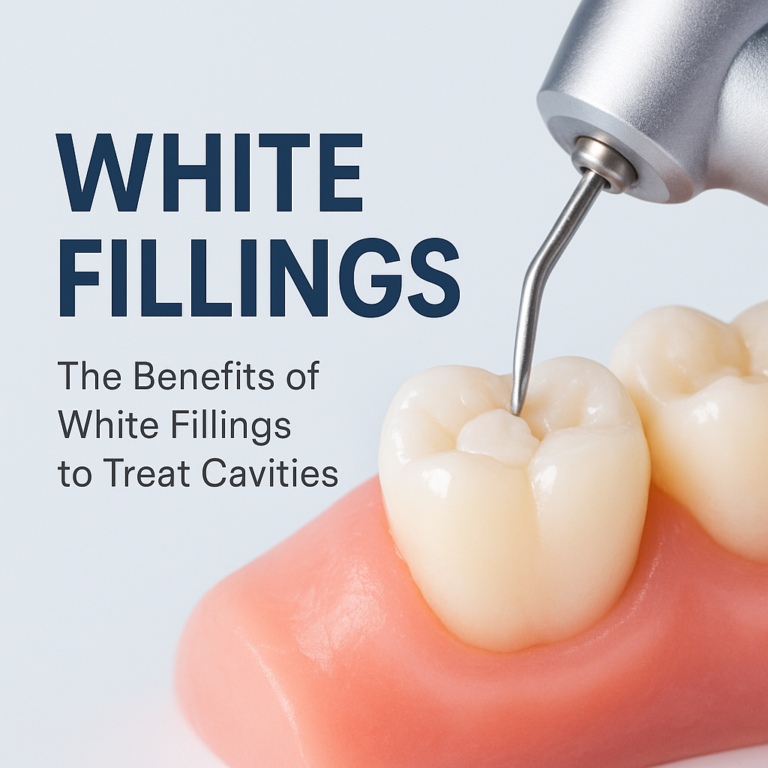
An old crown or large filling does not always need replacement. Dentists check for decay, leaks, cracks, looseness, and tooth support first.
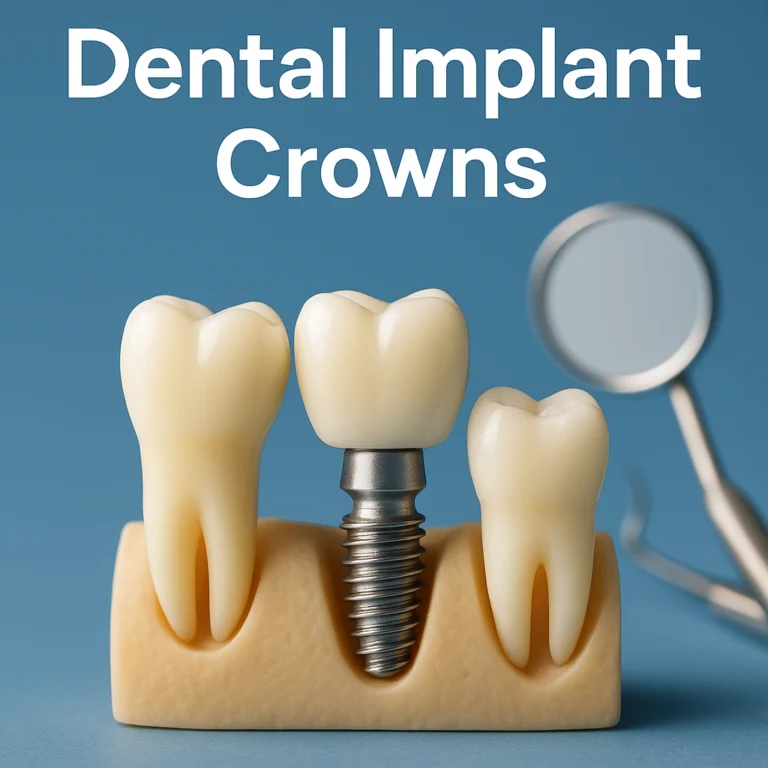
Compare an implant crown, bridge, or partial denture for one missing tooth or a short gap: support needs, cleaning, timeline, and CDCP coverage.
Old silver fillings do not need automatic replacement. Learn when a filling should be rechecked, when replacement helps, and what to ask at the visit.
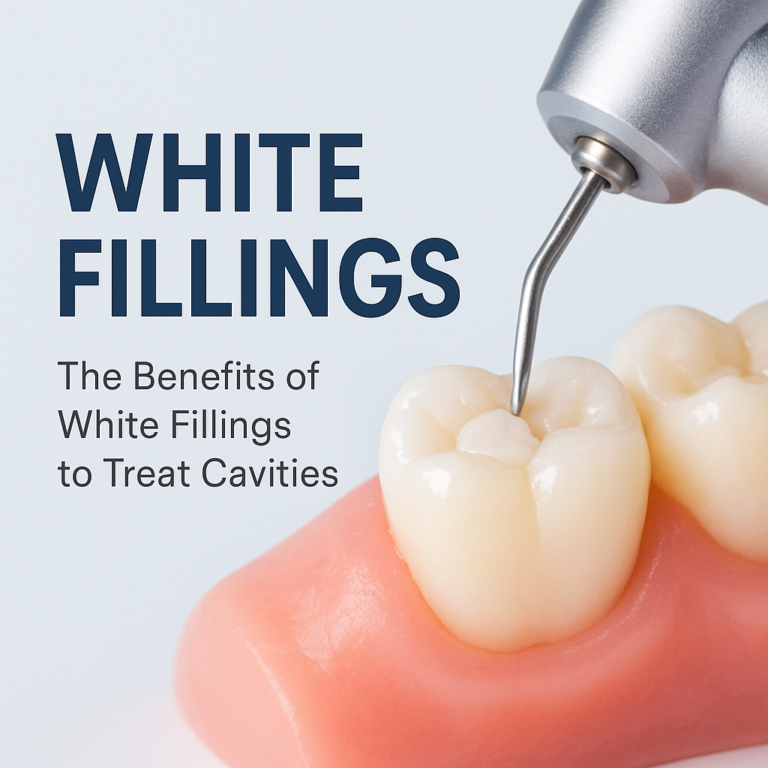
A broken crown or large filling does not always need full replacement. A dentist checks tooth structure, decay, cracks, and bite before choosing repair, onlay, or crown.
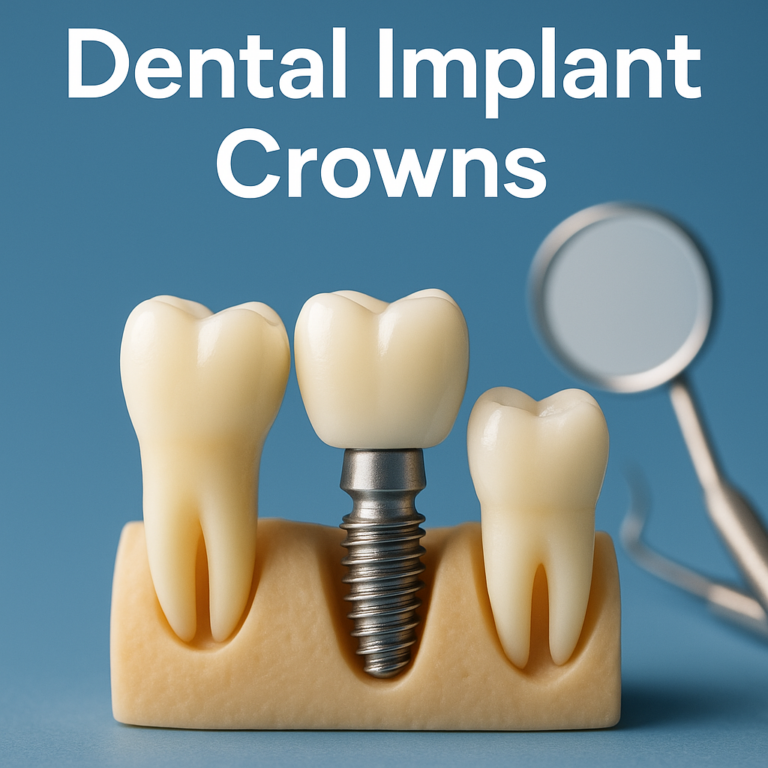
If the teeth beside a missing tooth are healthy, the main decision is whether to preserve them, avoid surgery, or choose a removable option—and what may be covered.

A very deep cavity does not always mean an immediate root canal. In carefully selected permanent teeth, selective caries removal and vital pulp therapy may help save more natural tooth structure. Here is how dentists decide when that may be reasonable, and when root canal treatment is still the better choice.

Water flossers can make home care easier when braces, bridges, or implants make string floss awkward to use. Here is where they fit, what the evidence suggests, and how to use one safely without overdoing the pressure.

A new or recently relined partial denture can feel awkward at first, but sharp pain, persistent sore spots, looseness, or clicking are not part of normal break-in. Learn what to expect, what not to ignore, and when a professional adjustment, reline, repair, or replacement may be needed.

A broken tooth is not always lost, and it does not always need the same repair. Learn how dentists decide between bonding or a filling, an onlay, a crown, root canal treatment, or extraction based on the crack, the amount of healthy tooth left, and whether the tooth is truly restorable.
A cracked filling does not always mean the whole filling has to come out. Learn the signs that matter, how dentists decide between monitoring, repair, or replacement, and what to do before your appointment.
Discover affordable dental care just a short drive from North End Hamilton, offering gentle, personalized treatment for patients of all ages. Convenient hours, flexible options and a welcoming team help make regular visits easier for you and your family.
End of content
End of content