Does a Grandparent With Full Dentures Still Need a Dental Checkup?

Having no natural teeth does not mean there is nothing to check. Learn what to mention when arranging a dental visit for a grandparent with full dentures.

Having no natural teeth does not mean there is nothing to check. Learn what to mention when arranging a dental visit for a grandparent with full dentures.

If your child is worried about a checkup, try an honest explanation, ask what concerns them, and tell the dental team. You do not need to predict how the visit will go.

A family can share healthy habits without sharing one dental care plan. Learn which changes in childhood, adulthood and later life are worth discussing at a checkup.

A child’s first dental assessment and a parent’s overdue checkup may need different plans. Here’s what to tell the office before asking for consecutive appointments.
Before you book, ask about eligibility, Sun Life billing, preauthorization, and any costs you may still owe. A few questions now can prevent billing surprises later.
A back-to-school dental planning guide for Hamilton families: when to book, how to fit visits around school and work, and when to call sooner.
Before booking a family visit, ask five CDCP questions: is coverage active, does the office bill Sun Life, what needs approval, and what might you owe?
A family calendar can help you book dental checkups before school, work, and activities crowd them out. Recall timing should be risk-based, not one-size-fits-all.

Retainers still need checks after Invisalign. Learn what follow-up visits look for, which changes matter, and when Hamilton patients should book a review.
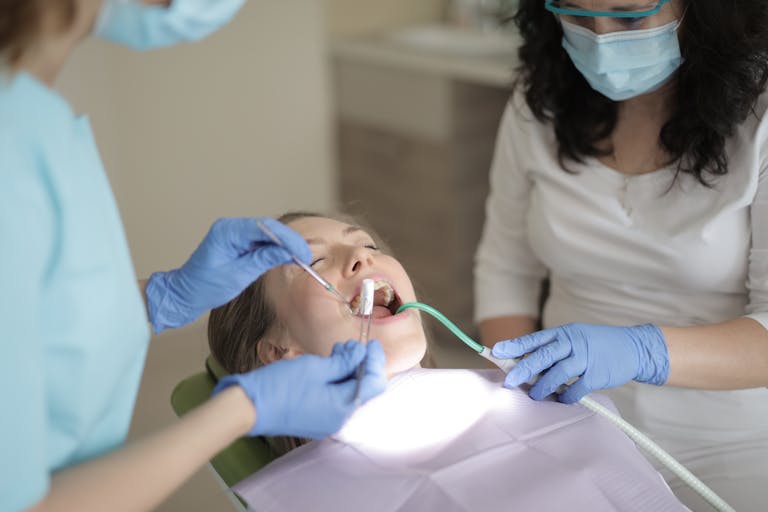
Six months is a common starting point, but family dental checkups should be based on age, oral-health risk, and what the dentist finds.

Wondering whether Invisalign or braces make more sense for you or your child? This practical Hamilton guide explains who often fits clear aligners well, when braces may still be more predictable, and what wear time, consent, cost, refinements, and retainers really mean before treatment starts.
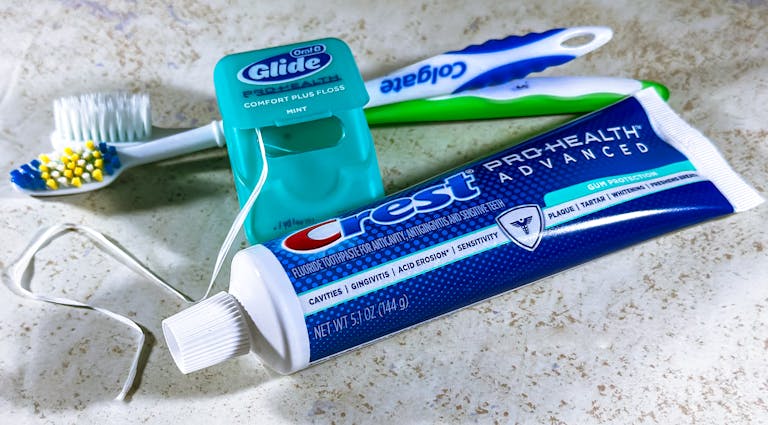
For most families, the biggest dental hygiene wins are still the simplest ones: brush twice a day with fluoride toothpaste, use the right amount for age, floss where teeth touch, and keep preventive visits focused on your own cavity risk. Here is what current Canadian guidance says matters most in 2026.
End of content
End of content