
What to Expect at Your First Dental Exam After Years Away
If it has been years since your last dental visit, you are not alone. A first exam after a long gap is usually not about rushing into treatment. It is more often a calm, step-by-step visit to build a clear starting point so your dentist can see what is going on now and what may need attention later.
Why the first visit starts with questions
The dentist or dental team will usually begin by asking about your health history, medications, previous dental work, and the symptoms that brought you in. That can include pain, bleeding gums, tooth sensitivity, jaw soreness, dry mouth, broken fillings, or a tooth that feels different when you bite.
This part matters because the exam is not just about looking at teeth. It is also about understanding the whole picture: what has changed, what has been bothering you, and what records or old treatment history may help explain what the dentist sees.
What the exam usually checks
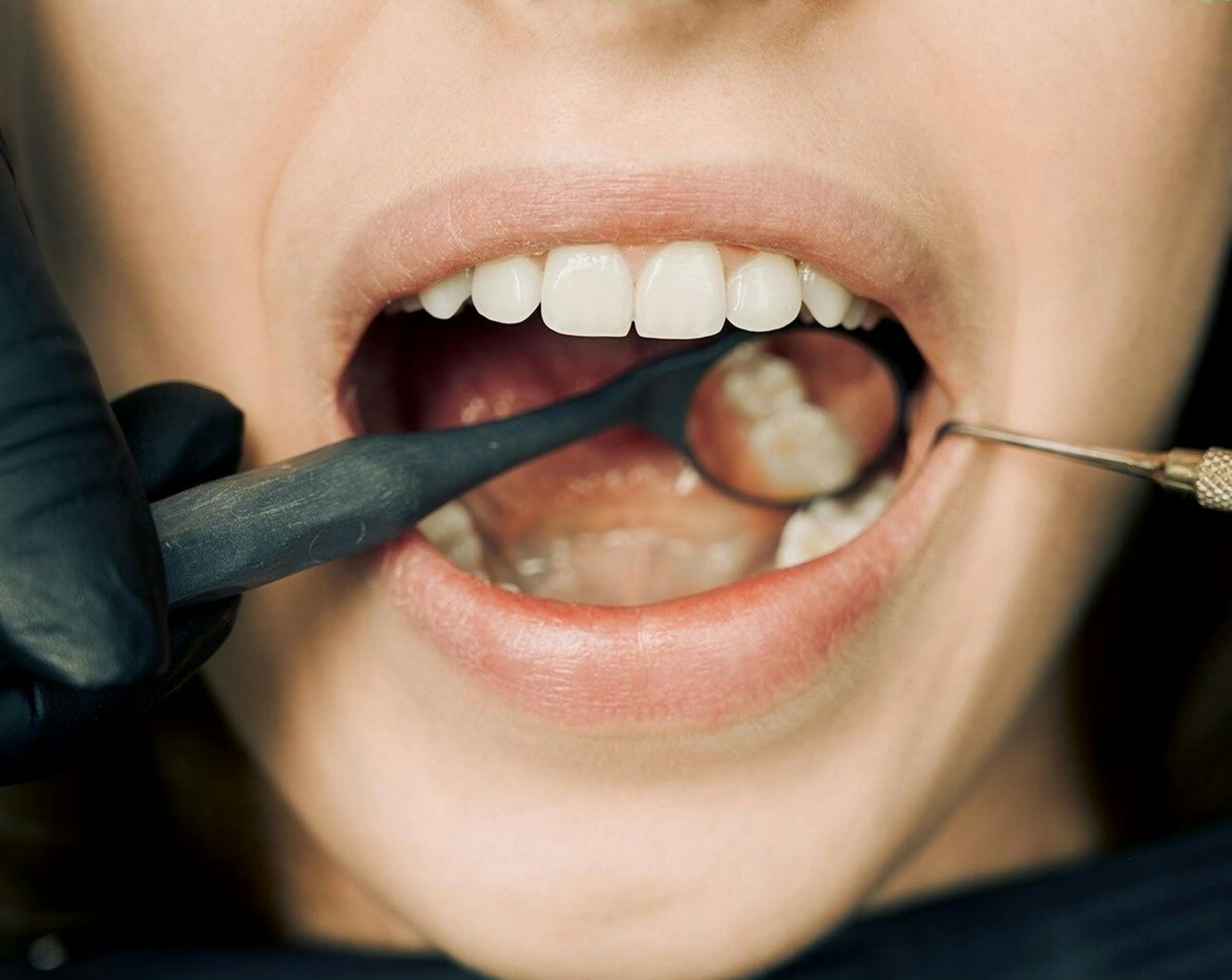
At a returning new-patient exam, the dentist typically checks the teeth, gums, bite, and soft tissues inside the mouth. That may include looking for decay, worn edges, cracks, signs of infection, gum inflammation, recession, loose fillings, and areas that need closer follow-up.
Many exams also include an oral cancer screening. This is an important screening step, but it is not a diagnosis. It helps the dentist look for changes that should be monitored or examined more closely.
How x-rays are decided
X-rays are not automatic for everyone. They are usually based on your symptoms, clinical exam, risk factors, and whether the dentist needs more information than a visual exam can provide. The Royal College of Dental Surgeons of Ontario emphasizes that dental radiographs should be prescribed based on clinical judgment, history, and the individual patient’s needs.
That means two people coming back after years away may not get the same x-rays, and that is normal. If you recently had records from another office, those can sometimes help the dentist decide what is still useful and what may need to be updated.
What to bring and how to prepare
You do not need to prepare perfectly. A short list is enough:
- your current medication list, including over-the-counter products and supplements
- any recent health changes or diagnoses
- a list of symptoms, even if they seem minor
- questions about bleeding gums, sensitivity, bad breath, or old dental work
- old dental records or recent x-rays, if you can get them easily
If one tooth has been bothering you, it helps to note when it hurts, what triggers it, and whether it is getting worse. That small detail can make the exam more useful.
What happens after the exam
After the exam, the dentist should explain what was found in plain language. You may hear that everything is stable, that a few areas need monitoring, or that some treatment is worth discussing next. The point is to leave with a clearer plan, not a guessing game.
Follow-up timing is also individualized. The Canadian Dental Association says recall timing should be based on risk and findings, not one fixed schedule for everyone. Some patients benefit from a sooner return visit, while others may be fine on a different timeline. Your dentist should explain why.
A calm next step in Hamilton
If you have been away from dental care and want a fresh starting point, booking a routine exam is a practical first move. In Hamilton, Excel Dental can help you review your concerns, get organized, and decide on next steps through our general dentistry visits. If you feel nervous about coming back, say so when you book — that helps the team plan a visit that feels more manageable.
Key sources
- Canadian Dental Association — The Dental Exam Overview
- Royal College of Dental Surgeons of Ontario — Prescribing and Taking Dental Radiographs
- Government of Canada — Oral Cancer
This article is for general education only and does not replace personalized advice, diagnosis, or treatment from a licensed dentist.