Missing Tooth Options: Implant, Bridge, or Denture?

Comparing an implant, bridge, or partial denture starts with the teeth beside the gap, bone support, cleaning, timeline, and current CDCP coverage.

Dental Implants: Explore the realm of dental implants through our comprehensive articles. From understanding the benefits to the step-by-step process, empower yourself with knowledge about this transformative dental solution.
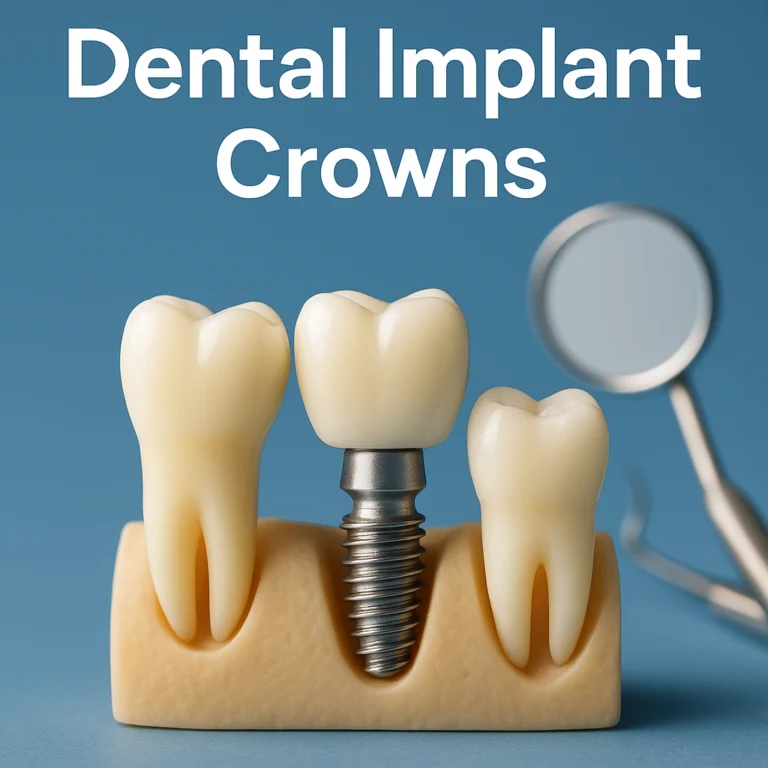
Comparing an implant, bridge, or partial denture starts with the teeth beside the gap, bone support, cleaning, timeline, and current CDCP coverage.
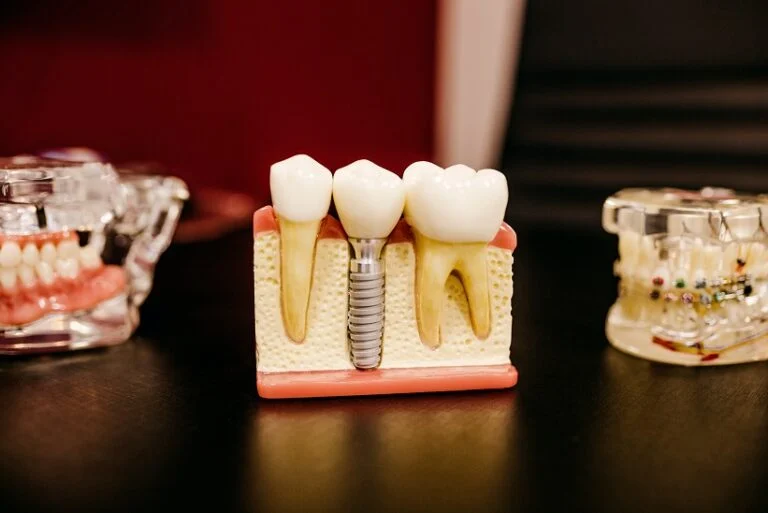
Your first implant visit is usually a planning appointment. Learn what the dentist checks first, when x-rays or CBCT may help, and what comes next.
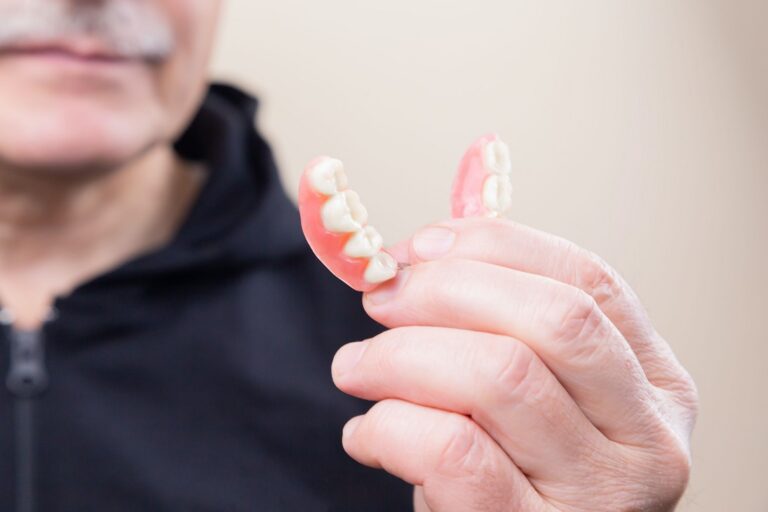
Learn how the CDCP may apply when you are missing teeth: what it may cover, what it excludes, and which questions to ask before treatment.
Compare a dental implant, bridge, or removable partial denture with plain-language guidance on nearby teeth, bone, healing, cleaning, and CDCP coverage.
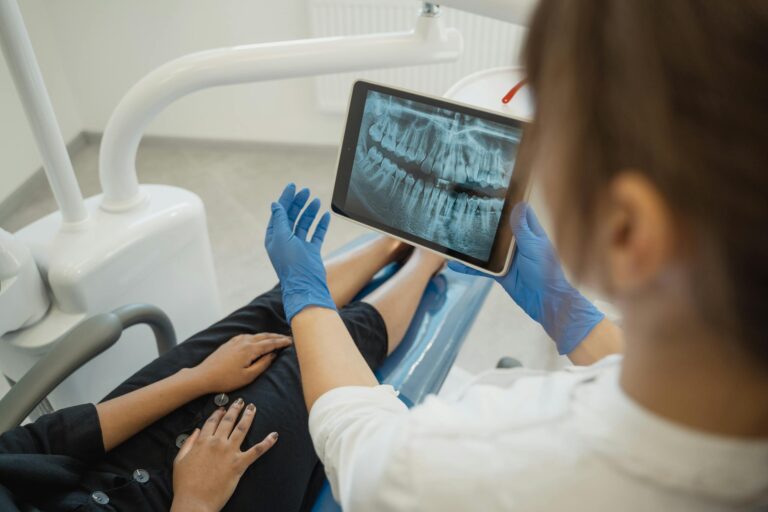
A first implant visit is usually a planning appointment. Learn what the dentist checks, when 3D imaging may help, and what to ask about cost.
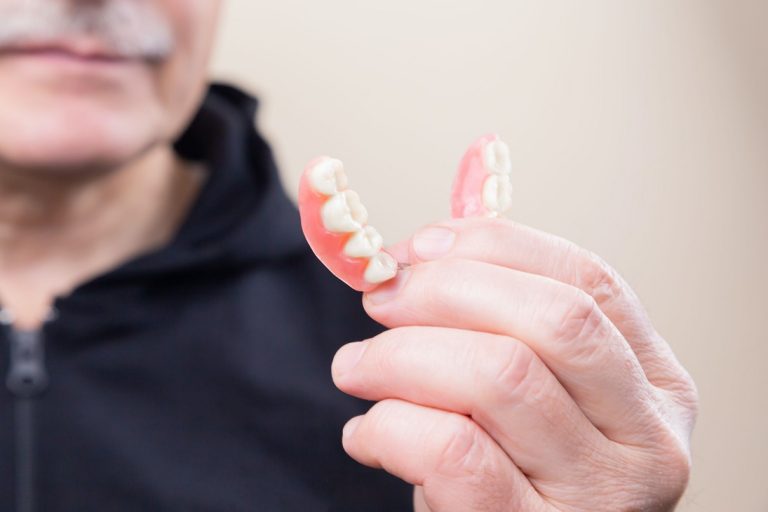
The CDCP may help pay for some removable dentures, but bridges and implants are excluded. Check preauthorization, participation, and any balance owing.
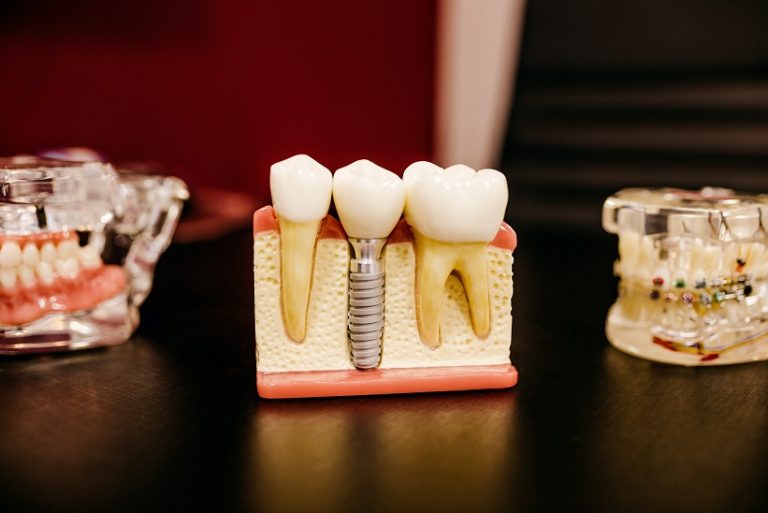
A patient-friendly guide to implant crowns, bridges, and dentures—and how dentists weigh nearby teeth, bone support, cleaning, and timing.
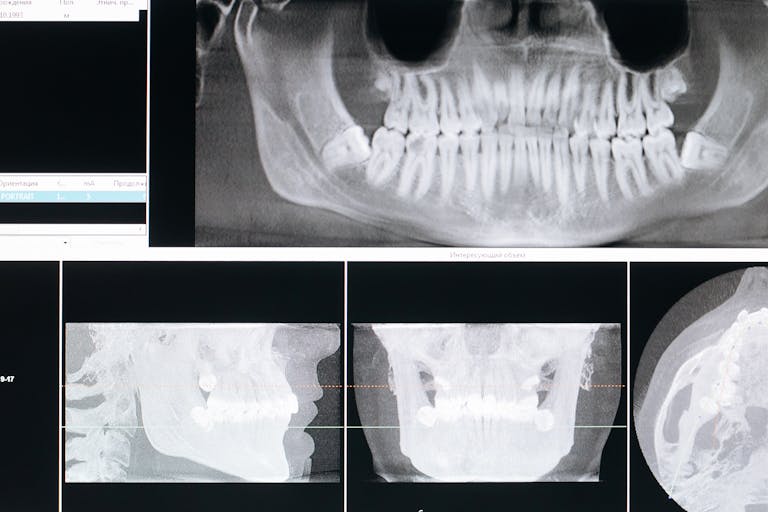
A cone-beam CT scan can add useful detail for some complex dental decisions, but it is not a routine replacement for standard X-rays. Learn when CBCT may help with implants, selected root canal problems, wisdom teeth, and other treatment-planning questions.

Socket preservation is sometimes considered at the same visit as a tooth extraction when a future implant, bridge, or denture is likely. Here is what the procedure means, why the jaw ridge changes after extraction, where the evidence is helpful, and what to ask before the tooth is removed.
Water flossers can make home care easier when braces, bridges, or implants make string floss awkward to use. Here is where they fit, what the evidence suggests, and how to use one safely without overdoing the pressure.

A CBCT scan can give your dentist a 3D view of teeth, bone, roots, and nearby anatomy, but it is not a routine add-on for every visit. Learn when a cone beam CT scan may be helpful, how it differs from regular dental X-rays, and what questions to ask before agreeing to 3D treatment planning.
Dental implants rely on healthy supporting bone over time. Learn what affects bone support before and after treatment, what warning signs to watch for at home, and why daily cleaning plus regular maintenance visits matter.
End of content
End of content