When Should Your Family Update Its Dental Prevention Plan?

A family can share healthy habits without sharing one dental care plan. Learn which changes in childhood, adulthood and later life are worth discussing at a checkup.


A family can share healthy habits without sharing one dental care plan. Learn which changes in childhood, adulthood and later life are worth discussing at a checkup.

If one front tooth has darkened, ask why before choosing whitening, bonding, or a veneer. An exam can clarify the cause and which options are worth considering.

Whole-person dental care does not require fluoride-free toothpaste. Learn what one adult trial found, where its evidence stops, and what to ask before switching.
Find Excel Dental on East Avenue South in Stinson, with practical information about parking, family appointments, dentist choice and office hours.
A practical guide to dental appointments around downtown Hamilton work schedules, with office hours, parking and what to ask before booking.
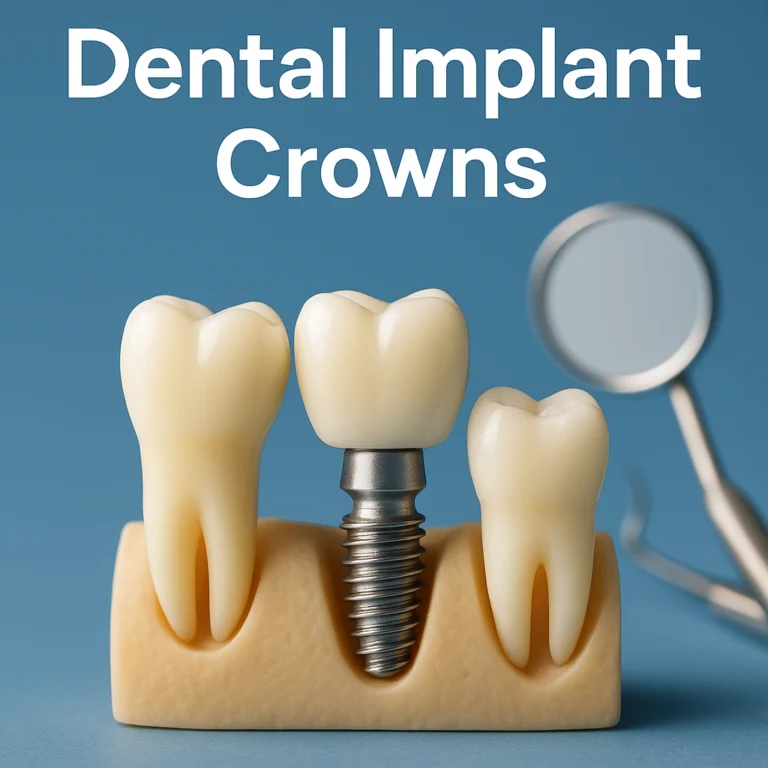
Comparing an implant, bridge, or partial denture starts with the teeth beside the gap, bone support, cleaning, timeline, and current CDCP coverage.
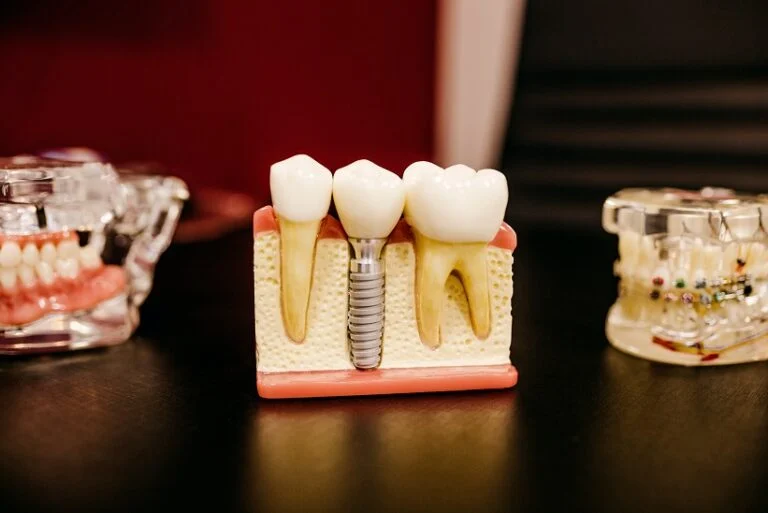
Your first implant visit is usually a planning appointment. Learn what the dentist checks first, when x-rays or CBCT may help, and what comes next.
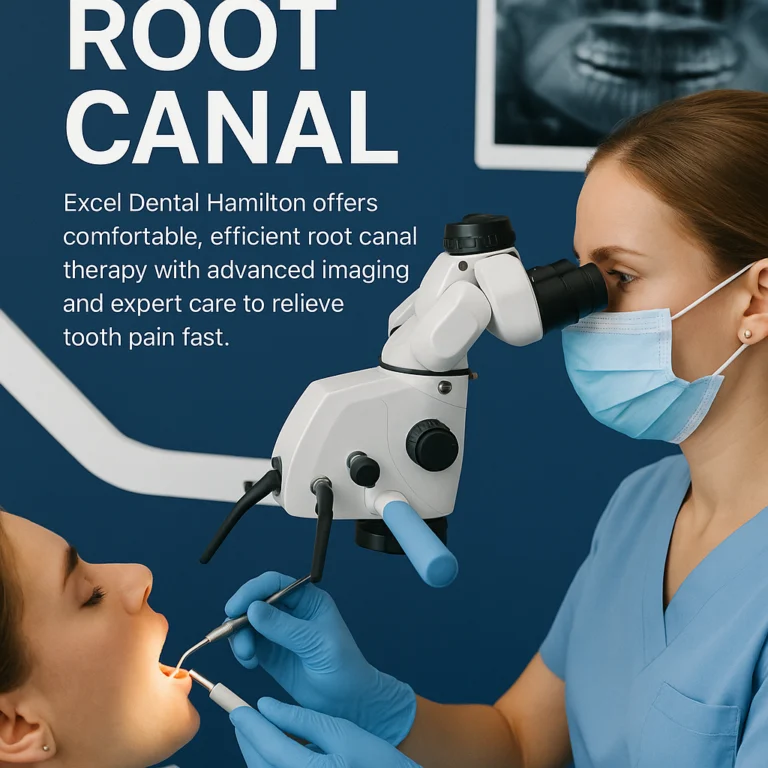
A toothache is not automatically a root canal or extraction case. Dentists first use the history, exam, and X-rays to find the source, then weigh the options.
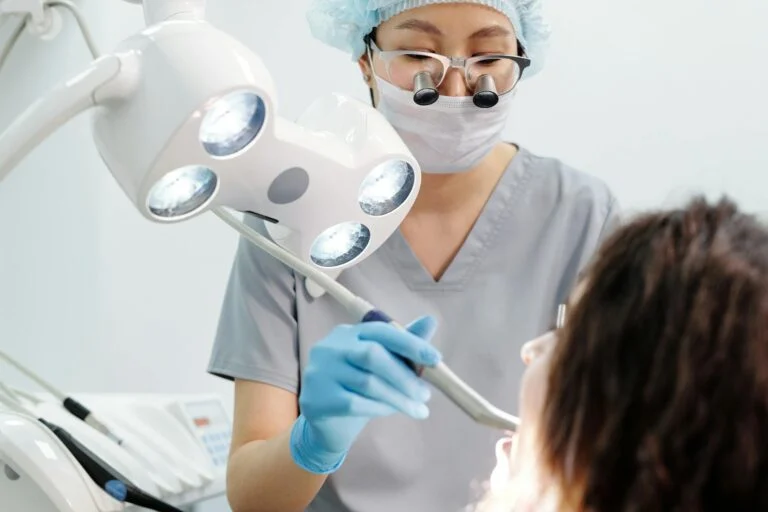
Tooth pain and gum pain can overlap. Dentists narrow the cause by checking location, triggers, gum changes, and x-rays before you book treatment.
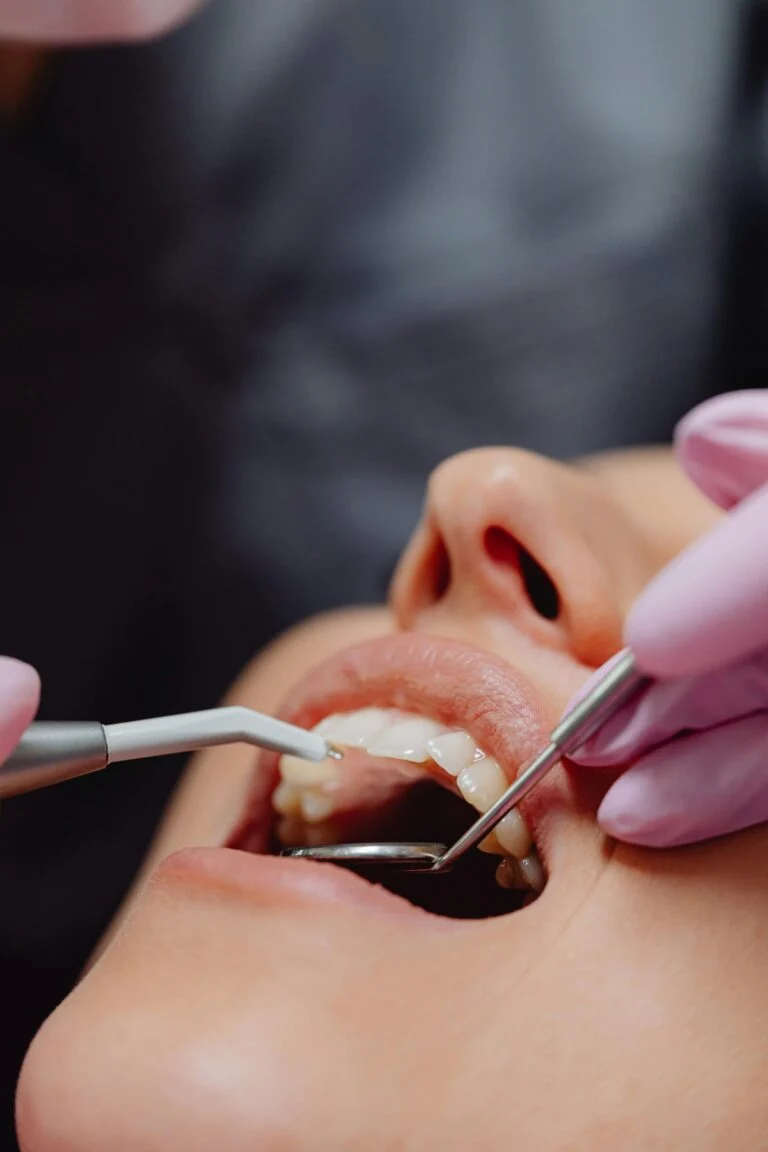
A simple same-day checklist can make urgent dental care easier to plan. Bring your medication list, allergy list, symptom timeline, coverage details, and any recent records or x-rays if you already have them. If you do not have everything ready, do not delay care.
A cracked tooth or broken filling should be assessed by a dentist, but a few simple steps can help protect the tooth and reduce irritation until your visit.

Swelling around a tooth can be urgent. Learn which symptoms need same-day dental triage and which red flags mean emergency medical care first.
End of content
End of content