Periodontal Maintenance After Gum Therapy: What to Expect

After gum therapy, periodontal maintenance helps monitor gum stability, remove buildup, and tailor recall visits to your risk factors and home care.

Periodontal Disease: Uncover insights into periodontal disease through our informative articles. Learn about its causes, prevention, and treatment options to ensure the health of your gums and teeth.
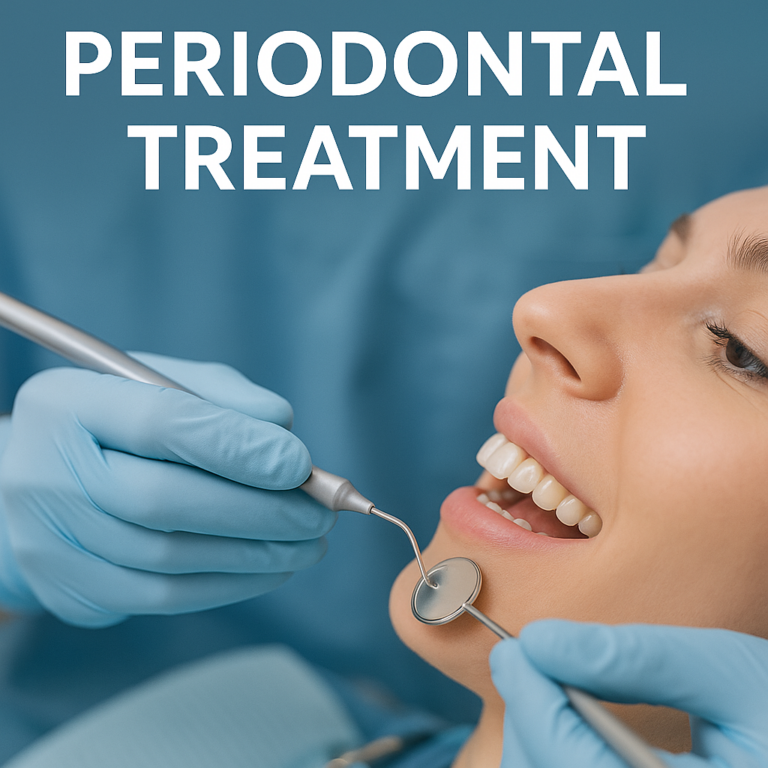
After gum therapy, periodontal maintenance helps monitor gum stability, remove buildup, and tailor recall visits to your risk factors and home care.
If you have diabetes or prediabetes and notice bleeding gums, bad breath, dry mouth, or slow healing, bring a symptom list, meds list, and key questions.
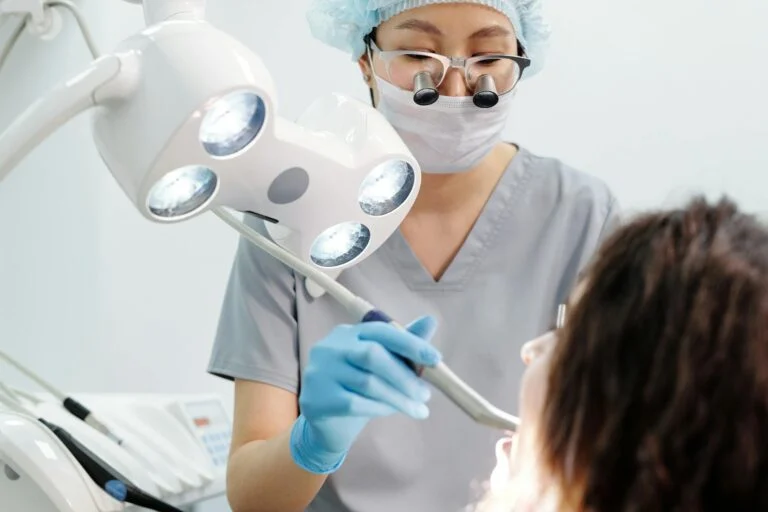
Bleeding or swollen gums do not diagnose gum disease on their own. A dentist usually starts with a visual exam, probing, plaque checks, and history.

Periodontal maintenance is the follow-up phase after gum therapy. Learn what happens at the visit, why the schedule is individualized, and how home care helps keep gums stable.
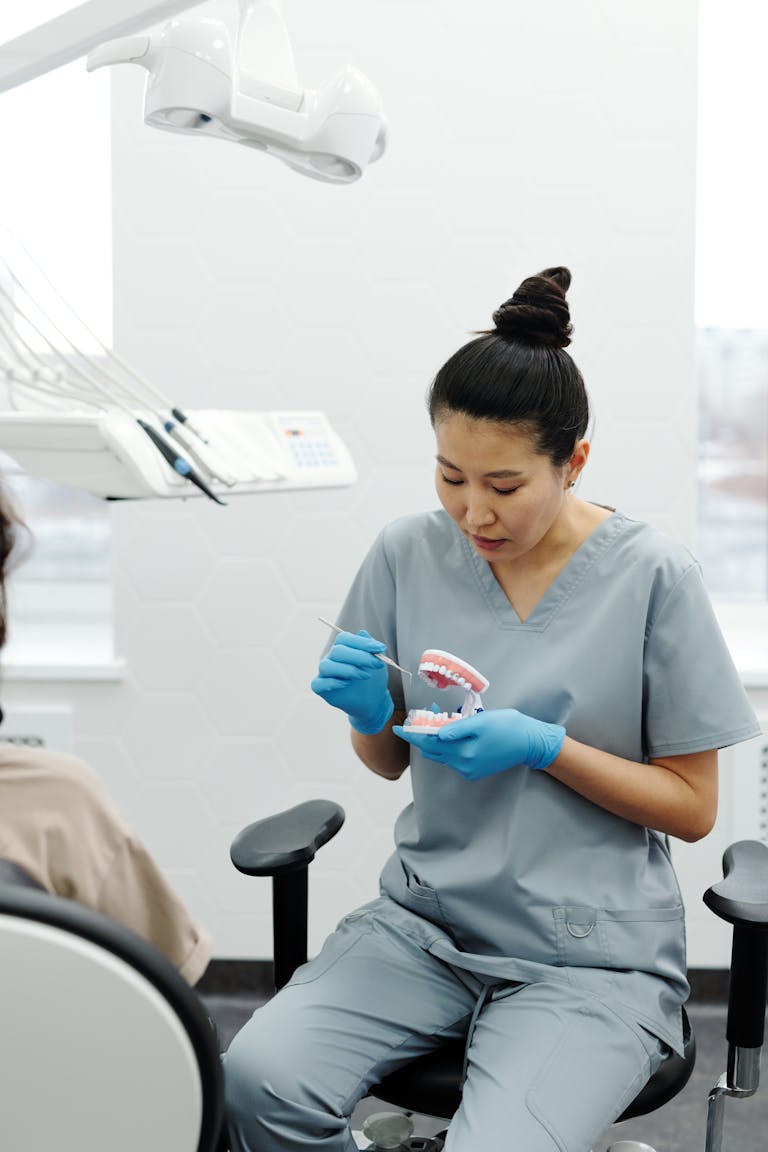
If you have diabetes and notice bleeding, swelling, bad breath, recession, or loose teeth, bring those symptoms—and your diabetes details—to your dental visit.
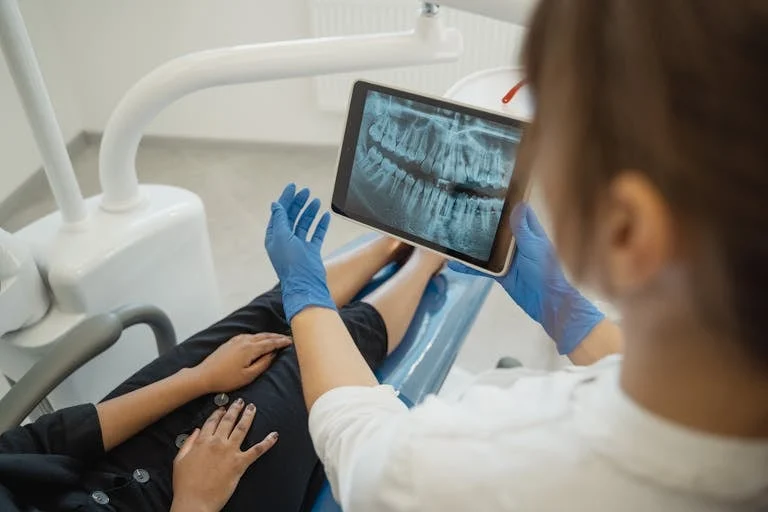
Bleeding, swollen, or receding gums are worth an exam. Learn what dentists check first, how they tell gingivitis from periodontitis, and what comes next.
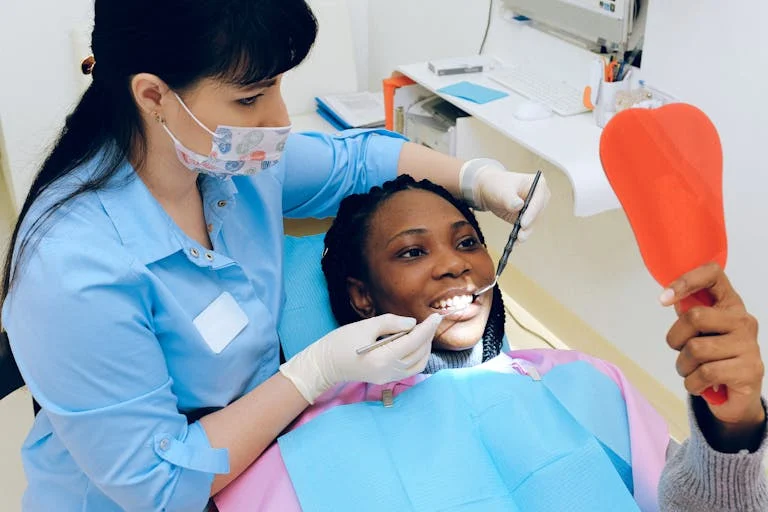
A small amount of blood on floss can happen after a gap in cleaning, but it should start improving quickly. Learn when home care is reasonable, when bleeding should be booked for a dental exam, and how to keep cleaning between teeth gently while you wait.
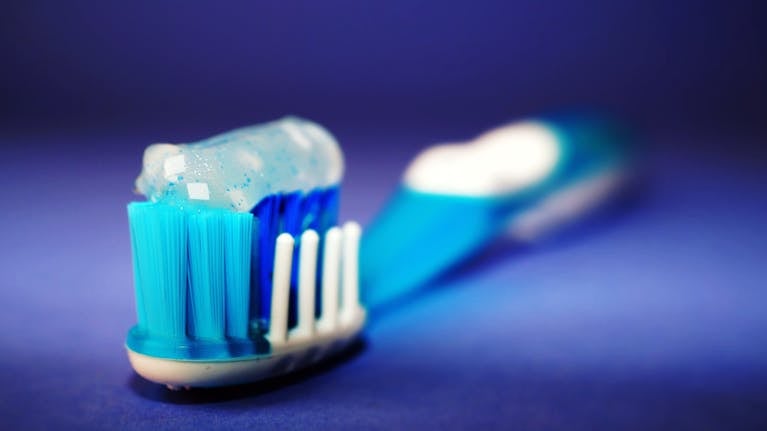
If gum recession or larger spaces are making floss less effective, a manual interdental brush may help clean those areas better. Here is how to tell when it may fit, when floss still matters, and how to choose the right size safely.

Gum disease and heart disease are linked in research, but that does not mean one directly causes the other. This article explains what periodontitis is, what the evidence really shows, what it does not prove, and what patients can do now to protect both oral and overall health.
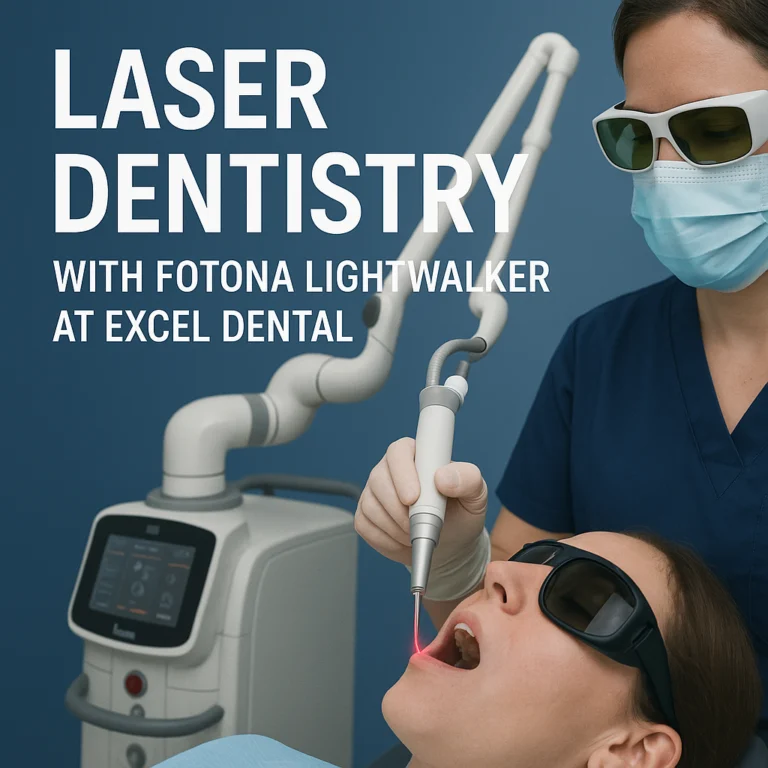
Laser dentistry is often promoted as modern and comfortable, but what does the evidence actually say? This article explains how dental lasers work, where they are supported in general practice, where evidence is mixed, and how Ontario standards guide safe, informed care.

TwinLight is Fotona’s dual-wavelength laser periodontal therapy designed to be less invasive than traditional gum surgery, with less discomfort and faster recovery. Learn what to expect at Excel Dental in Hamilton.
Win the Fight Against Gum Disease: Expert Insights on Symptoms, Treatments, and Oral Hygiene Triumphs Welcome to the silent struggle occurring within the confines of your mouth: the battle against periodontal disease. This pervasive condition, often stealthy in its onset, can manifest through various gum disease symptoms that may go unnoticed until they reach a…
End of content
End of content