What dentistry means in Hamilton — and what it does not mean
What people usually mean by holistic or biological dentistry
If you searched for biological dentistry in Hamilton, you are probably looking for dental care that treats the mouth as part of the whole person. That is a reasonable goal. In practice, the value is not the label itself. The value is whether the dentist starts with a real diagnosis, explains why a test or treatment is being recommended, and helps you make an informed decision.
That is the spirit behind our dentistry topic hub: whole-person care, not a separate system that replaces evidence-based dentistry.
What whole-person dentistry should include
A thoughtful consultation should look at more than the tooth that hurts. It should include your medical history, medications, allergies, past dental care, symptoms, anxiety level, and the practical concerns that matter to you, such as comfort, cost, timing, and how much treatment you want to do at once.
Good planning also includes informed consent. That means the dentist explains the diagnosis, the options, the likely benefits, the limits, the risks, and what may happen if you wait. Ontario dental standards support evidence-based care and clear communication so patients can make informed choices.
Whole-person care can also include questions about sleep, grinding, dry mouth, diet, tobacco use, and home care habits. Those details help the dentist choose the right plan, whether that is a checkup, radiographs, fluoride, a filling, gum treatment, a crown, oral surgery, or something else.
What standard evidence-based care still looks like
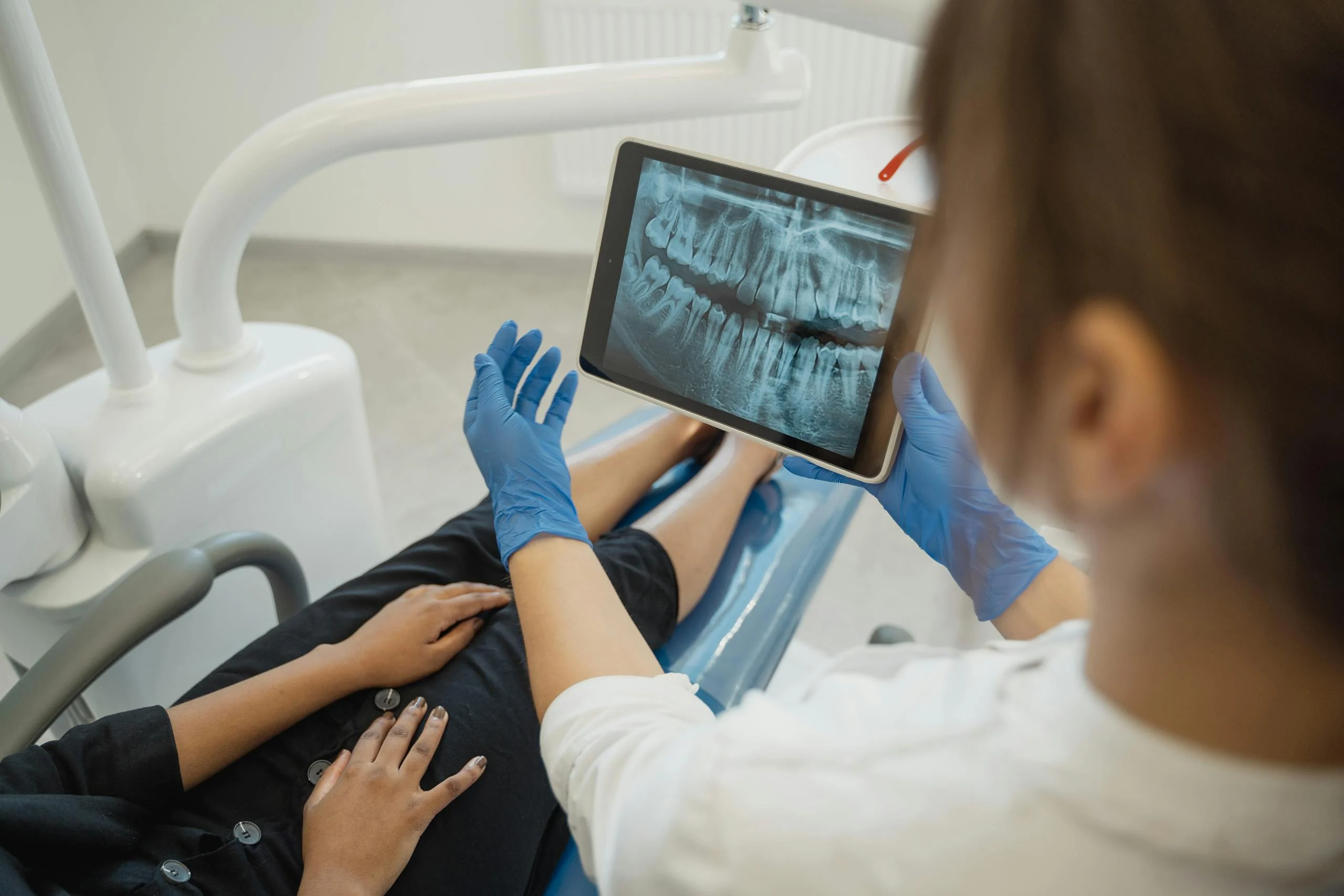
A holistic approach does not mean saying no to routine dental tools by default. Exams, radiographs when they are clinically indicated, fluoride, restorations, periodontal care, and oral surgery are still part of good dentistry when they are needed.
Those tools are not used just because they exist. They are used because they can help find disease earlier, prevent avoidable damage, relieve symptoms, or restore function. The right question is not whether a treatment is “natural.” The right question is whether it matches the diagnosis and the patient’s goals.
What dentistry does not mean
dentistry does not mean detoxes, -all supplements, or non-dental therapies being presented as proven s. It does not mean rejecting radiographs or fluoride for everyone. It does not mean assuming that “natural” automatically means safer, better, or more effective.
It also does not mean that a dentist can diagnose or systemic disease from the mouth alone. Oral health is connected to overall health, and the connection is important, but the evidence is not the same for every condition. Some links are well established, some are associative, and some are still being studied.
If an office recommends an add-on such as a supplement, herbal product, ozone, or other alternative therapy, it is fair to ask whether it is meant as support or as a substitute, what the evidence shows, what the risks are, what it costs, and what the alternatives are.
Questions worth asking before you agree to care
- What problem are you treating, and how do you know?
- What will this test or treatment change in my care plan?
- What are the benefits, limits, and possible downsides?
- What happens if I wait, and what signs would mean I should come back sooner?
- Are any supplements or alternative therapies optional add-ons, or are you saying they replace standard dental treatment?
- Why are radiographs, fluoride, or another routine tool being recommended in my case?
A calm next step in Hamilton
If you want a careful, evidence-based conversation, Excel Dental in Hamilton can review your symptoms, explain why a recommendation is being made, and talk through alternatives in plain language. You can start with this dentistry topic hub and use that information to decide what makes sense for you.
Key sources
- RCDSO Standards, Guidelines and Resources
- Government of Canada: Oral Health
- Canadian Dental Association: Oral Health
- Patient-centred care in dentistry systematic review
This article is for general education only and does not replace personalized advice, diagnosis, or treatment from a licensed dentist.