Laser dentistry in Hamilton: 7 questions to ask first

Dental lasers can serve different roles. Before treatment, ask what the laser is for, what evidence supports it, and whether a non-laser option fits.


Dental lasers can serve different roles. Before treatment, ask what the laser is for, what evidence supports it, and whether a non-laser option fits.
Old silver fillings do not need automatic replacement. Learn when a filling should be rechecked, when replacement helps, and what to ask at the visit.

Before a filling, crown, or onlay, ask which material is planned, why it fits your tooth, what alternatives exist, and what tradeoffs matter most.
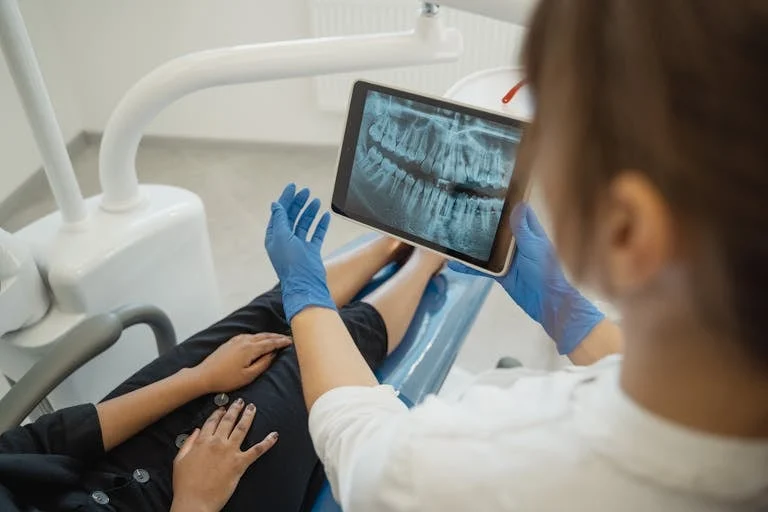
dentistry should mean whole-person, evidence-based care: a real diagnosis, informed consent, and treatment matched to your needs.
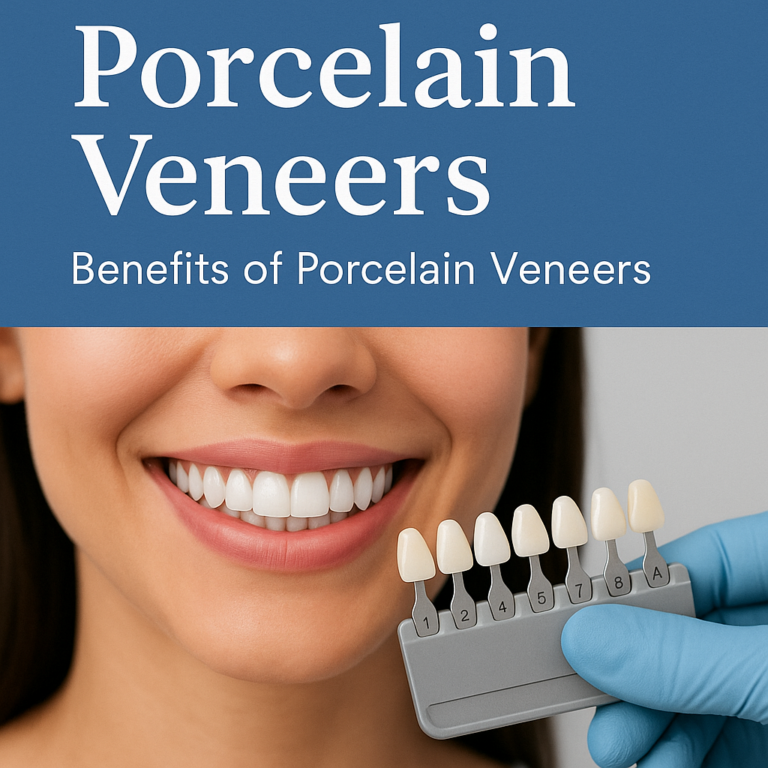
A veneer consultation checks decay, gum health, enamel, bite forces, grinding, and your goals before deciding whether veneers, bonding, whitening, or a crown fit.

Whitening is often done first so bonding or veneers can match the final shade. Decay, gum disease, sensitivity, or grinding can change the order.
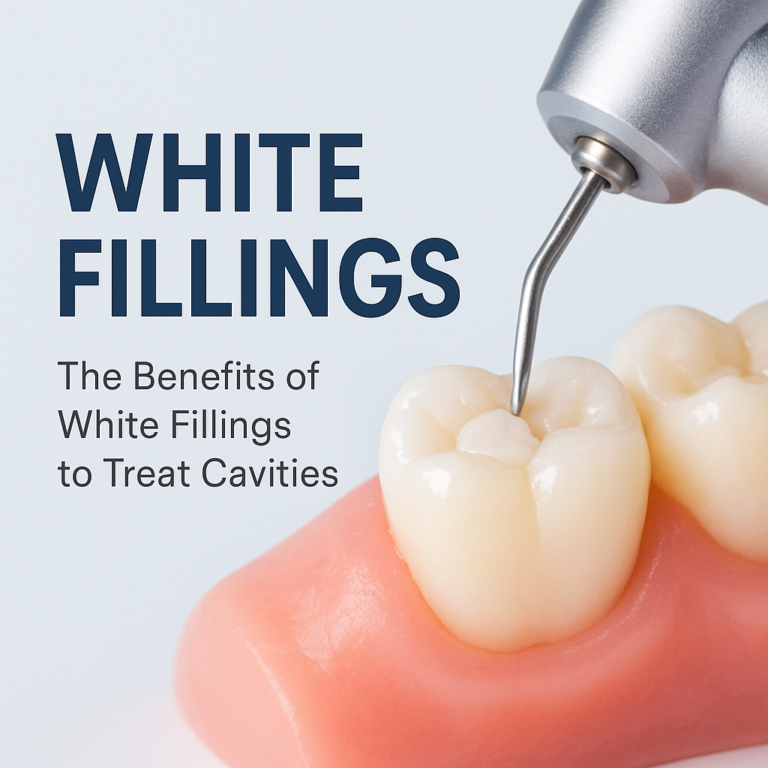
A broken crown or large filling does not always need full replacement. A dentist checks tooth structure, decay, cracks, and bite before choosing repair, onlay, or crown.
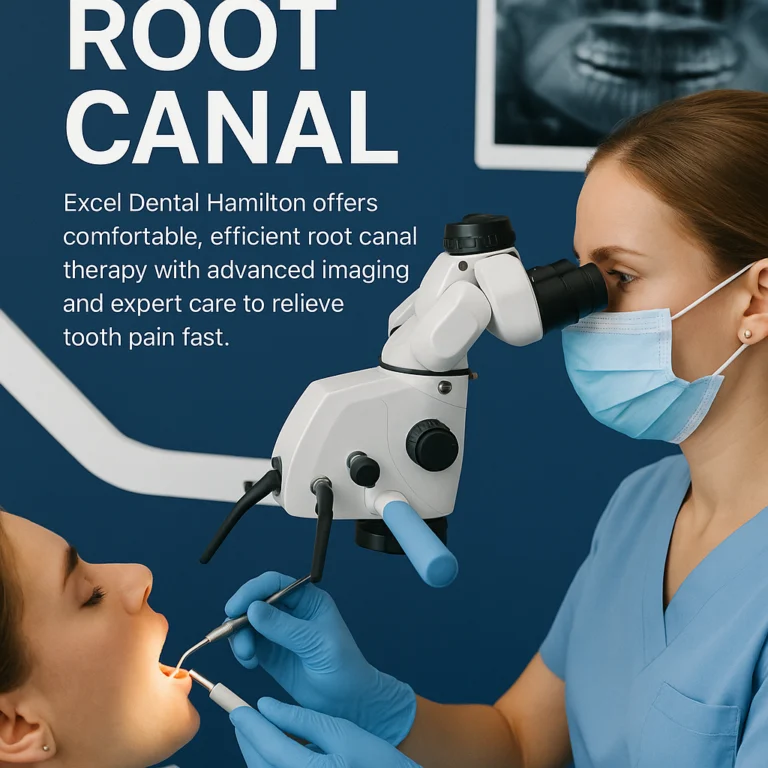
A filling can repair smaller damage. A crown may be needed when too little healthy tooth remains, a large filling fails, or a tooth weakens after root canal treatment.

If your denture is loose, sore, cracked, or hard to use, use this checklist to ask about adjustment, reline, repair, remake, implant support, and coverage.
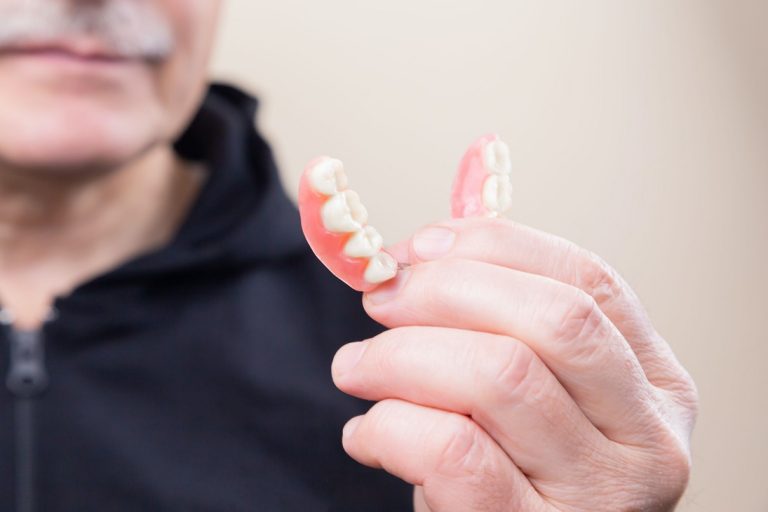
The CDCP may help pay for some removable dentures, but bridges and implants are excluded. Check preauthorization, participation, and any balance owing.
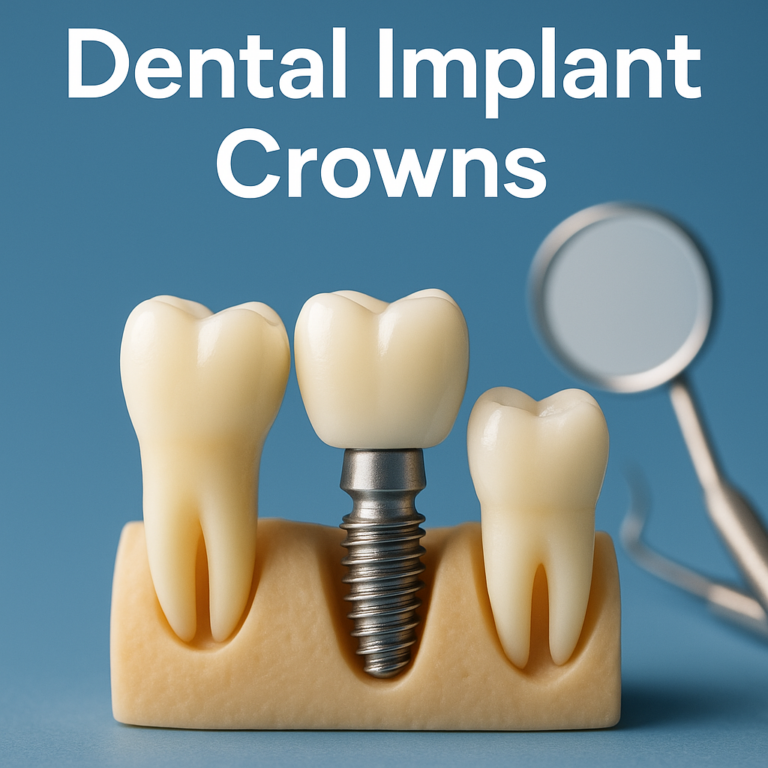
If the teeth beside a missing tooth are healthy, the main decision is whether to preserve them, avoid surgery, or choose a removable option—and what may be covered.
Bone grafting is not always needed before implants. Use this checklist to ask about timing, options, healing, cost, and CDCP coverage before you decide.
End of content
End of content