Periodontal Maintenance After Gum Therapy: What to Expect

After gum therapy, periodontal maintenance helps monitor gum stability, remove buildup, and tailor recall visits to your risk factors and home care.

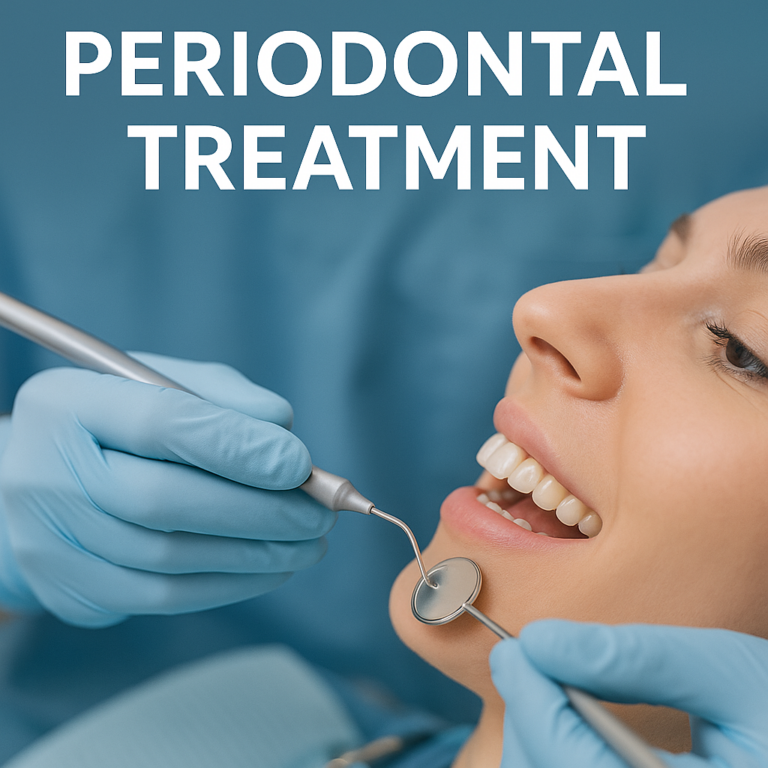
After gum therapy, periodontal maintenance helps monitor gum stability, remove buildup, and tailor recall visits to your risk factors and home care.

A patient-first checklist for deciding whether laser treatment is an adjunct, a replacement, or a support tool—and what to ask before you consent.

Old metal fillings usually do not need routine replacement just because they are old, silver-coloured, or contain mercury. An exam shows what matters.
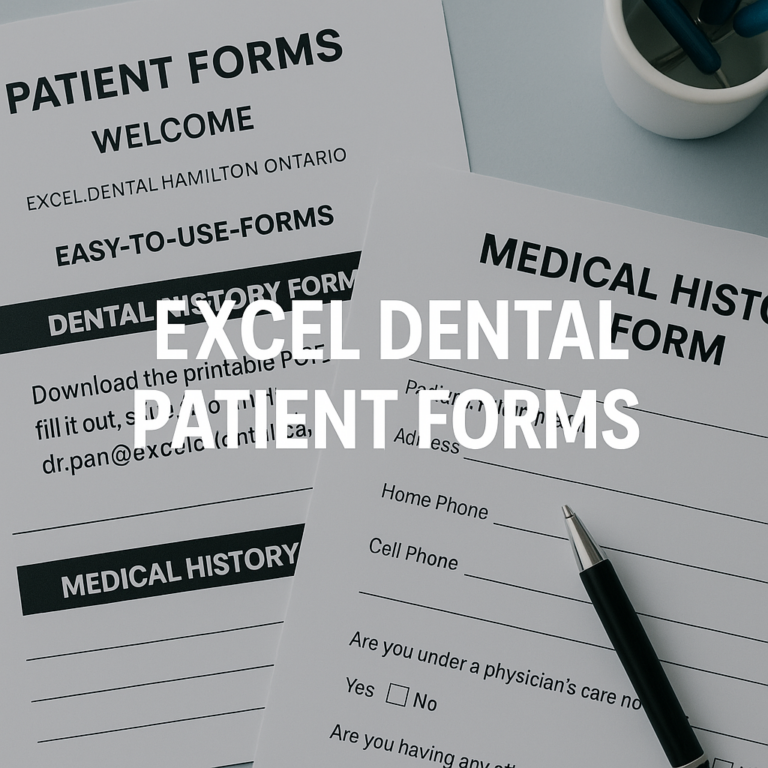
If you have allergies, mouth irritation, or past reactions to jewelry, gloves, or dental work, use these questions to review materials before treatment.

dentistry is whole-person, evidence-based care. In Ontario, it is not a regulated specialty title, and it does not mean rejecting fluoride or routine treatment.

Compare nitrous oxide and light oral sedation, see how exam-based candidacy works, and learn the best questions to ask before booking in Hamilton.
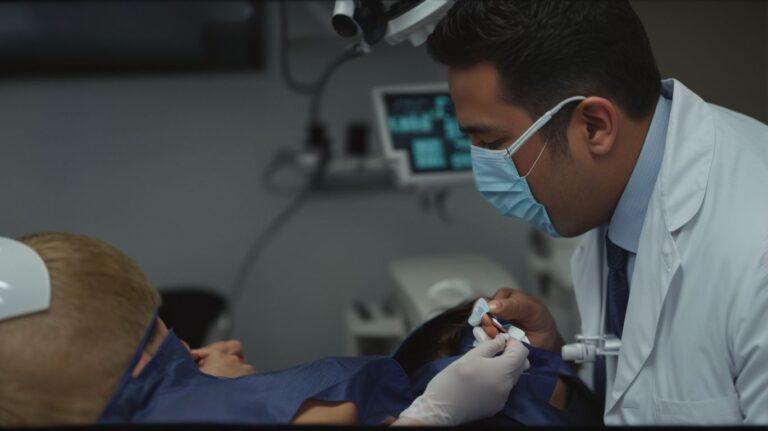
Nitrous oxide, or laughing gas, may help some anxious patients feel calmer at dental visits. Learn what it feels like and what to ask before booking.

A veneer consultation is more than a cosmetic quote. Dentists check enamel, gums, decay, bite forces, grinding, and tooth structure before choosing a plan.

If you want a brighter smile and may also need bonding or veneers, whitening usually comes first so the final restoration can be matched to your finished tooth shade.

An old crown or large filling does not always need replacement. Dentists check for decay, leaks, cracks, looseness, and tooth support first.

A filling may be enough for a small cavity or chip, but cracks, repeated failure, or too little healthy tooth can make an onlay or crown a better fit. An exam helps decide.

A denture consult is the right time to ask about fit, follow-up, cleaning, repairs, relines, and what the Canadian Dental Care Plan may cover for your case.
End of content
End of content