
Dental Implant Consultation in Hamilton: What Happens First
If you are looking into dental implants, the first visit is usually a planning and assessment appointment. It is not a promise of treatment that day. The goal is to find out whether an implant is a realistic option, what preparation may be needed, and whether another tooth-replacement choice would make more sense.
What the dentist reviews first
The dentist usually starts with your medical and dental history, current medications, the reason the tooth is missing, and any symptoms such as pain, swelling, or chewing trouble. They will also examine the gums, the bite, the size of the space for the new tooth, and the teeth next to it. These details help show whether the area is healthy enough to plan around.
Why X-rays or a 3D scan may be needed
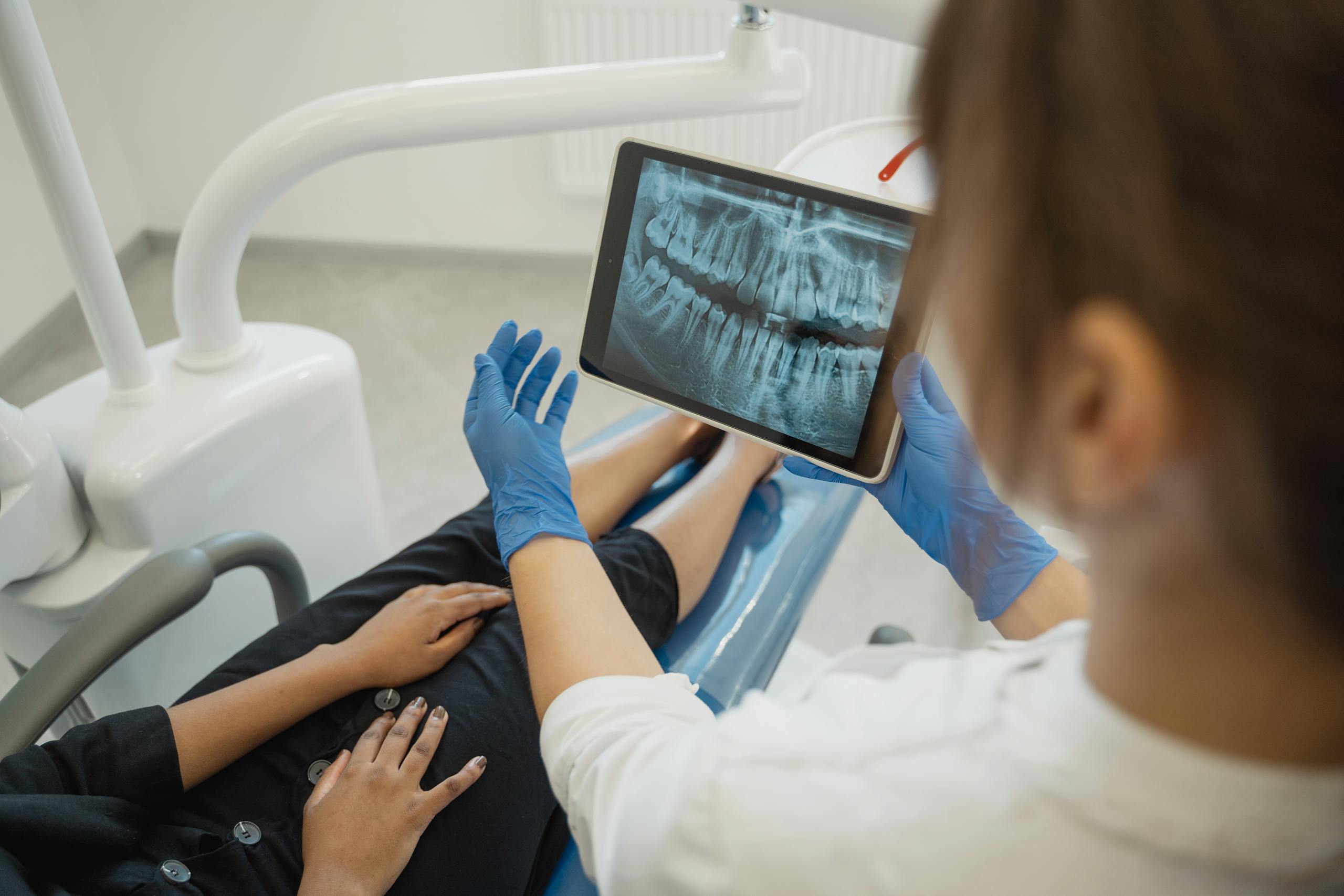
Many implant consults can begin with the records you already have. If older images do not show enough detail, the dentist may take new X-rays. In some cases, a CBCT scan, which gives a 3D view, may be recommended when extra detail could change the plan. It is not needed for every patient. The scan can help show bone volume, nearby anatomy, and whether bone grafting or other preparation should be discussed first.
What the dentist is checking for
The big questions are simple: Is there enough bone support? Are the gums healthy? Is there enough room for the implant and the final tooth? Do nearby teeth or the bite change the plan? Some people are ready to move ahead soon. Others first need gum treatment, time for healing after an extraction, bone grafting, or a different sequence of care.
Possible outcomes after the consult
A good implant consult should leave you with a clear next step. That may mean you are ready to plan treatment, you need more records, you need healing or other preparation first, or you may be better served by a different option such as a bridge or denture. In plain language, informed consent means you understand the benefits, risks, alternatives, and what happens if an implant is not the best fit.
Questions to bring to the consult
- Am I a candidate now, or do I need more healing or treatment first?
- Will I need new X-rays or a CBCT scan, and why?
- Do my gums, bone, or bite affect the plan?
- What extra steps could be needed before an implant can be placed?
- What are the likely costs for records, imaging, and treatment stages?
- What part of the plan might be covered, and what is usually extra?
- If an implant is not the best option, what else should I consider?
If you are using the Canadian Dental Care Plan, ask early about coverage because the current benefits guide lists implant-related procedures as excluded. Private insurance plans can differ, so it is worth asking how the visit, imaging, and any later treatment are billed and whether the plan is staged over more than one appointment.
When to book in Hamilton
If you live in Hamilton and want a careful first look at your options, you can review our dental implants page and ask whether a consultation is the right next step.
Key sources
- RCDSO Standards, Guidelines, Advisories
- Patient Assessment and Diagnosis in Implant Treatment
- Government of Canada: CDCP Dental Benefits Guide
This article is for general education only and does not replace personalized advice, diagnosis, or treatment from a licensed dentist.