
ORTHODONTIC CARE
Excel Dental’s general dentists offer ALF and myofunctional orthodontic treatment. We assess how your teeth fit and how your tongue and lips work, then discuss which options may fit your needs.
HomeDental ServicesALF Orthodontic Treatment

YOUR FIRST VISIT
Start with your bite and how your mouth works
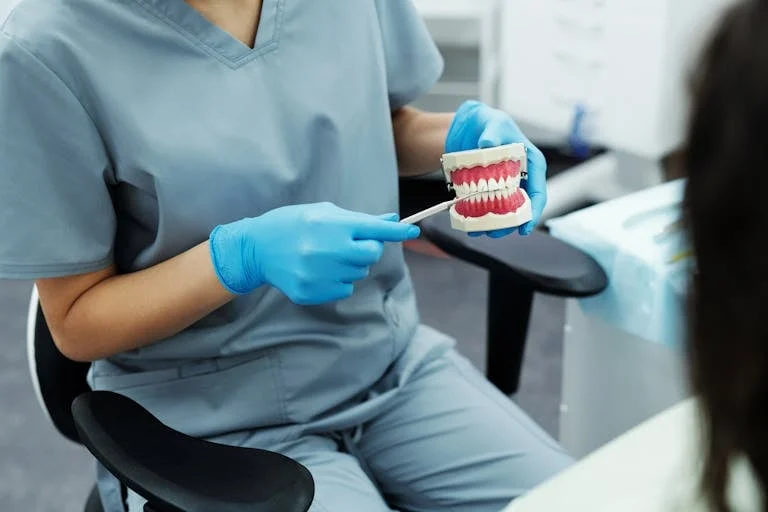
Tell us what you want to change and what you notice when you chew, swallow or rest your mouth. We consider your oral health, health history and daily habits together. At your first visit, we’ll explain what we find, what we can assess in the dental office and when another clinician’s assessment may help.
- Tooth position and how your teeth meet
- Tongue movement, lip posture and swallowing
- Oral health and previous orthodontic care
- Mouth breathing, snoring or sleep concerns you report
ALF, myofunctional treatment and airway evaluation
ALF orthodontic treatment
ALF stands for Advanced Lightwire Functional. It uses a thin-wire appliance. If we discuss ALF for your bite, we’ll explain what we aim to change, why that appliance may suit your case and how we would check your progress.
Ask about the potential benefits, risks, alternatives, fees and follow-up visits before you decide. Depending on the assessment, the options could include another orthodontic approach or a referral.
Myofunctional orthodontic treatment
The way your tongue rests, your lips close and you swallow can help guide your orthodontic plan. We assess those patterns alongside your bite and explain which findings matter for your care. When a concern calls for a separate speech, swallowing or medical assessment, we can discuss a referral.
When LAFTR may be discussed
Laser Assisted Functional Therapeutic Release (LAFTR) is an additional procedure we may discuss for selected patients undergoing ALF treatment. Excel Dental uses a 1064 nm Fotona laser for LAFTR. Ask which finding led your dentist to suggest it, what the proposed benefit and risks are, and what other options you have.
What we look at in an airway evaluation
You may hear this called airway dentistry. We ask how you breathe during the day and at night. If tongue movement seems restricted, we may also check for tongue-tie (ankyloglossia) and consider how any restriction affects function.
If you regularly breathe through your mouth because your nose feels blocked, snore loudly or notice pauses in breathing during sleep, tell your family doctor. A physician can assess possible causes and decide whether sleep testing or a referral is appropriate.
Read more before your visit
Questions to ask about an ALF appliance
Read about the evidence and the questions that can help you decide whether an appliance suits your goals.

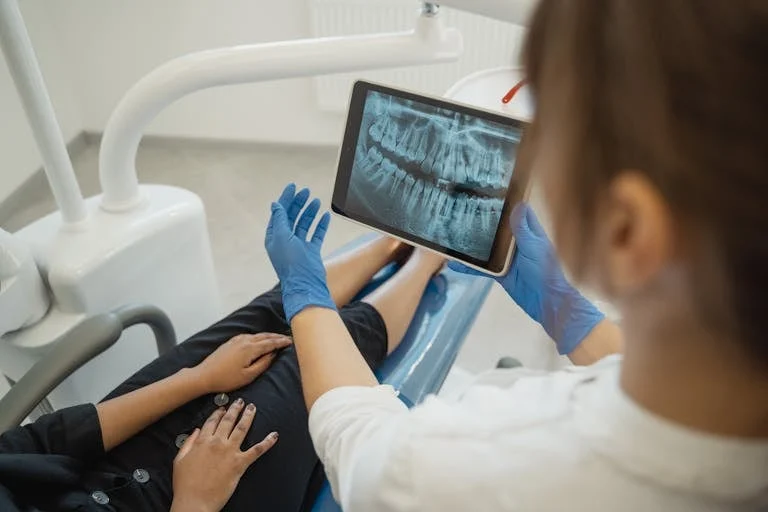
What a dental examination can show
Learn how a dental visit helps us assess your teeth and gums and talk through your options.

Clear aligners
Learn what a clear-aligner assessment involves if you’re comparing orthodontic approaches.
Questions about ALF and myofunctional care
Should I book a visit if I’m unsure which treatment I need?
Yes. A dental assessment can identify which features of your bite and oral function are relevant. Your dentist can explain the options, how progress would be checked and when another clinician’s opinion would help.
Do I need LAFTR if I choose ALF?
Your dentist considers the findings in your case. If LAFTR comes up, ask what it is intended to address and what your care options are if you prefer to proceed without it.
Does finding a tongue-tie mean I need a release?
A dentist considers how the tongue moves and whether any restriction affects function. We’ll discuss what the exam shows and whether monitoring, a referral or a treatment discussion makes sense.
Can an airway evaluation diagnose sleep apnea?
A dental assessment can identify signs or symptoms to bring to your family doctor. A physician evaluates suspected sleep apnea and can advise whether you need sleep testing.
What will we discuss before treatment begins?
Ask about goals, alternatives, risks, estimated cost, follow-up visits and how progress will be measured. Treatment timing and what you’ll need to do between visits depend on your individual plan.
Talk with us about ALF and your bite
Request a dental assessment with Excel Dental’s general dentists in Hamilton, or call our office to discuss your options.