CDCP Missing Teeth Coverage: Dentures, Bridges, and Implants

Learn how the CDCP may apply when you are missing teeth: what it may cover, what it excludes, and which questions to ask before treatment.

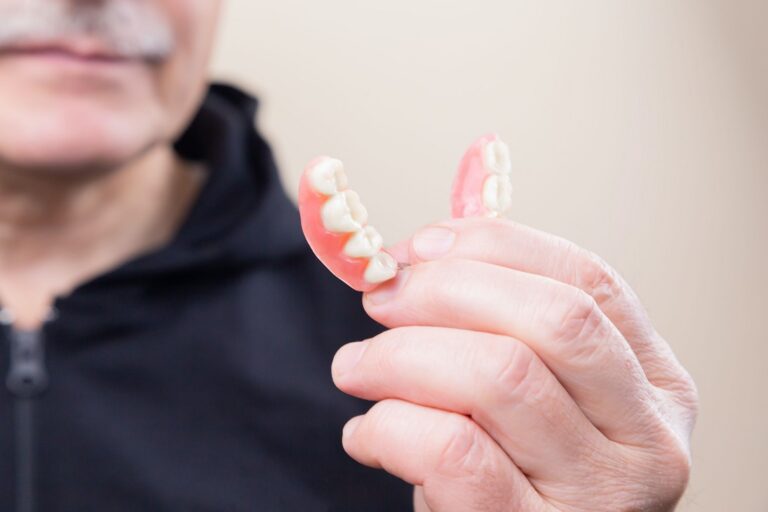
Learn how the CDCP may apply when you are missing teeth: what it may cover, what it excludes, and which questions to ask before treatment.
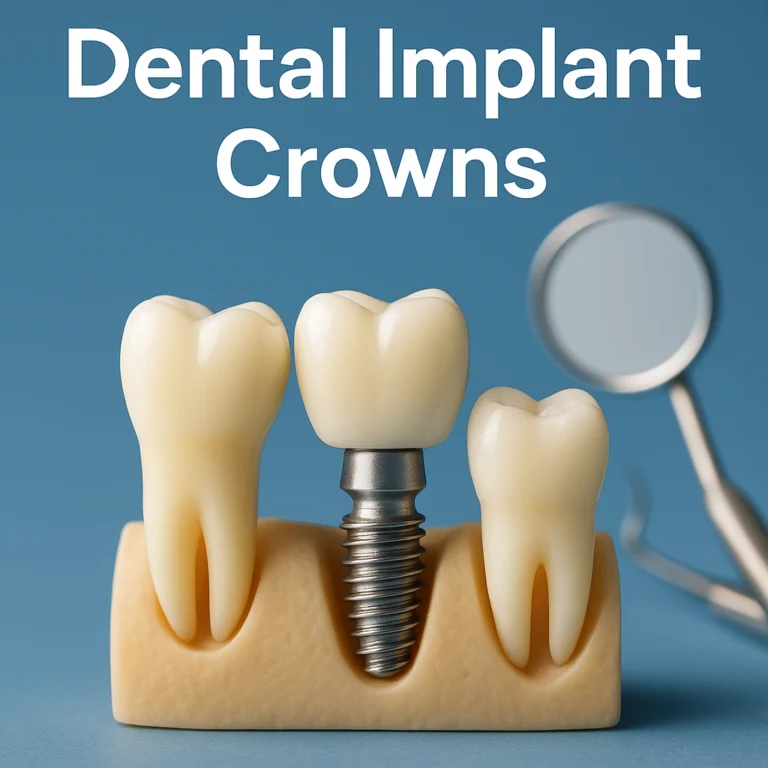
Compare an implant crown, bridge, or partial denture for one missing tooth or a short gap: support needs, cleaning, timeline, and CDCP coverage.

Before agreeing to bone grafting for implants, ask why it’s needed, what imaging shows, and whether timing or a non-graft option could fit your case.
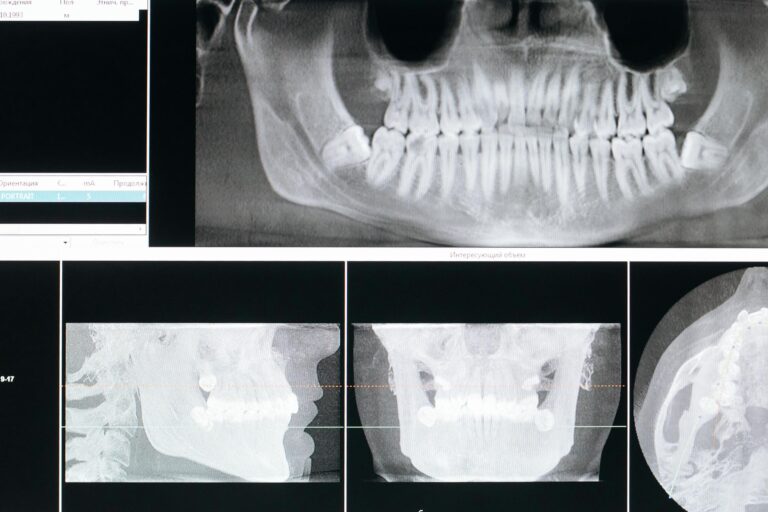
CBCT is a 3D planning scan that can show bone, sinus, and nerve-related anatomy before implants—and when a 2D X-ray may still be enough.
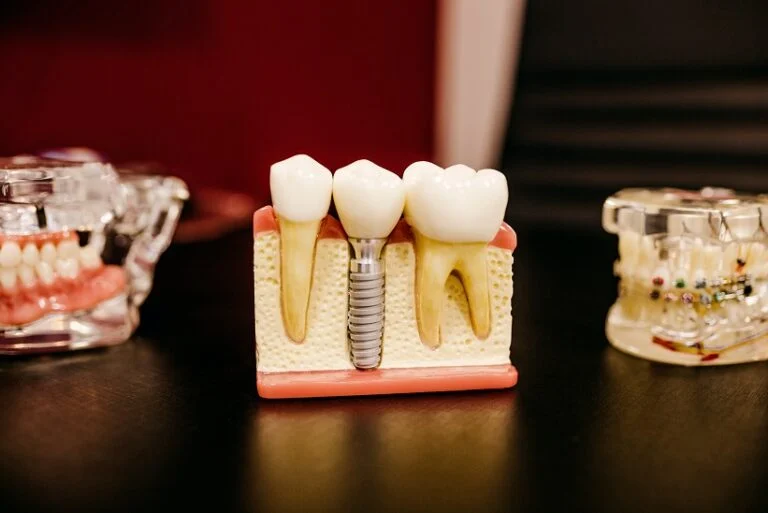
Compare a dental implant, bridge, or removable partial denture with plain-language guidance on nearby teeth, bone, healing, cleaning, and CDCP coverage.
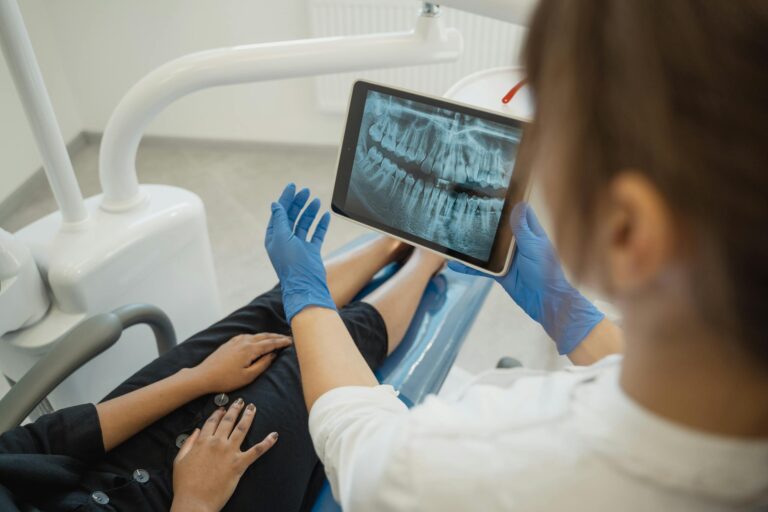
A first implant visit is usually a planning appointment. Learn what the dentist checks, when 3D imaging may help, and what to ask about cost.
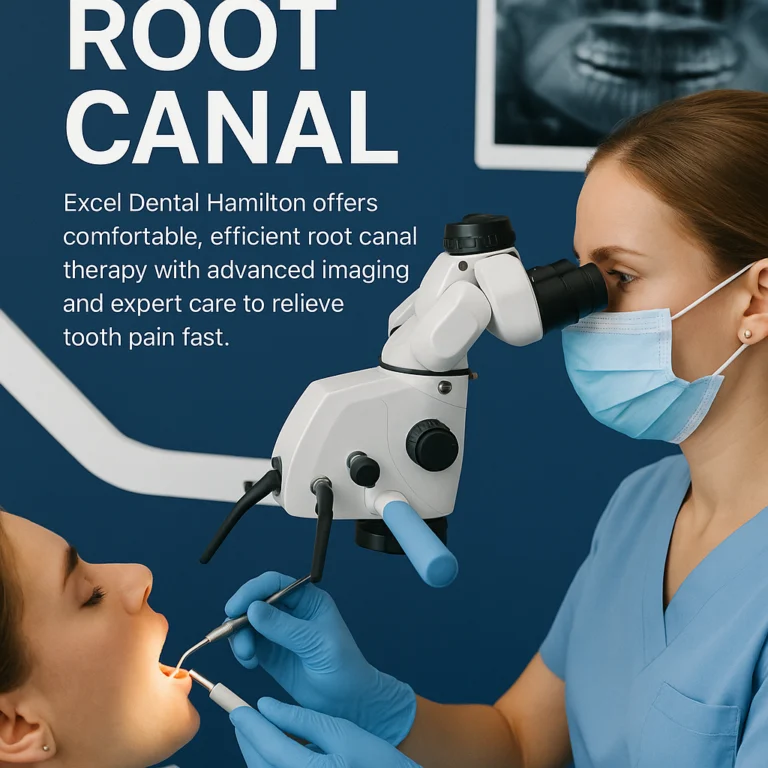
A sore tooth does not automatically mean root canal treatment or extraction. Learn how dentists use exam findings and x-rays to decide what comes next.
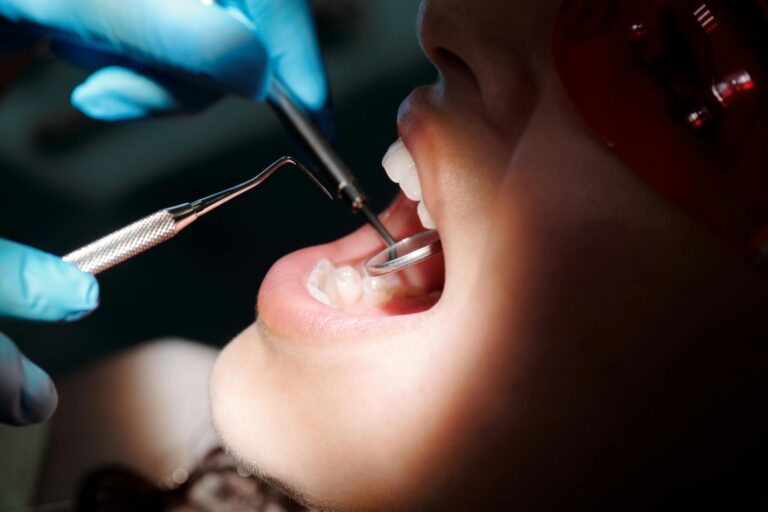
Tooth pain and gum pain can feel similar, but the pattern often gives dentists useful clues. Here is how the exam, bite checks, gum findings, and x-rays help narrow the source.
Bring photo ID, coverage details, a current medication and allergy list, and any recovered tooth or fragment to help your emergency dental visit go smoothly.
A cracked tooth or broken filling does not always mean same-day care, but the right first steps can help protect the area before your visit.
Tooth or gum swelling can be local, but fever, fast-spreading swelling, trouble swallowing, drooling, or breathing changes need urgent care.

Periodontal maintenance is the follow-up phase after gum therapy. Learn what happens at the visit, why the schedule is individualized, and how home care helps keep gums stable.
End of content
End of content