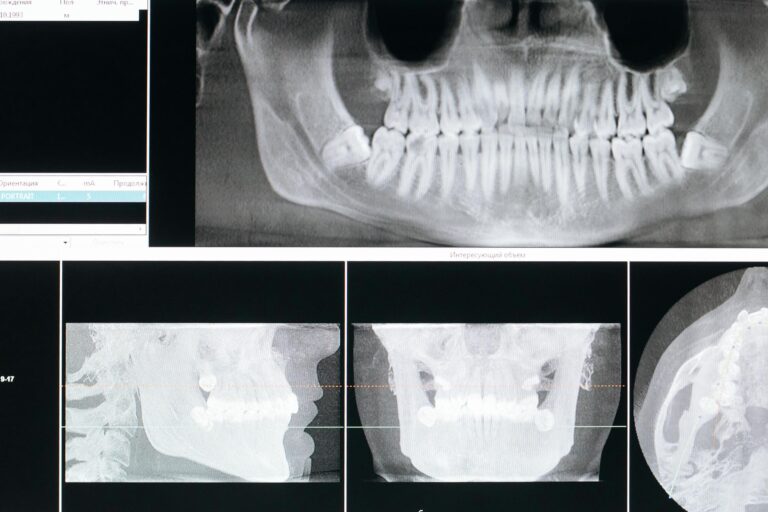
Before a dental implant: what a CBCT scan can show
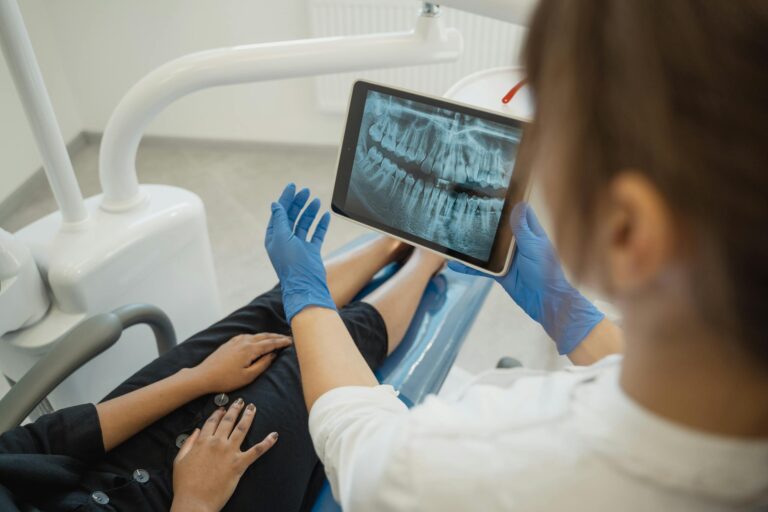
A CBCT scan can add 3D detail about bone and nearby anatomy before an implant when a flat X-ray is not enough—and should be used only when it changes planning.
A patient-friendly guide to implant crowns, bridges, and dentures—and how dentists weigh nearby teeth, bone support, cleaning, and timing.
A short checklist can make an urgent dental appointment run more smoothly. Here’s what to bring so the dentist can review your situation safely and efficiently.
Six months is a common starting point, but family dental checkups should be based on age, oral-health risk, and what the dentist finds.
Nitrous oxide, oral sedation, and IV sedation are not interchangeable. This Ontario guide explains how they differ, who may be a candidate, what safety rules apply, and which coverage questions to ask before treatment.
Bleeding gums are common, but if you have diabetes—or think you might—your dentist may ask about it because diabetes can affect gum inflammation, dry mouth, and healing. Here’s what to bring, what the dental team may check, and how home care fits in.
A small amount of blood on floss can happen after a gap in cleaning, but it should start improving quickly. Learn when home care is reasonable, when bleeding should be booked for a dental exam, and how to keep cleaning between teeth gently while you wait.
A clear day-by-day guide to the first week after wisdom tooth removal, including swelling, pain, soft foods, dry socket warning signs, blood-clot protection, and what changes if sedation was used.
Frequent snacking, sipping, and bedtime sugar can raise cavity risk even when portions are small. This guide shows how to set snack windows, choose water between meals, use fluoride toothpaste, and treat checkups as backup protection.
Frequent sipping matters more than one drink with a meal. Learn which commute drinks can wear enamel, the early signs to watch for, and a few simple habits that lower risk.
A painful tooth is not automatically a root canal or an extraction. Dentists weigh restorability, gum and bone support, cracks, decay, function, and follow-up needs before recommending the more predictable path.
If a dentist has suggested bone grafting before an implant, the key question is why. This patient checklist explains what to ask about imaging, alternatives, healing time, sedation, and cost before you say yes.
End of content
End of content