Do family dental checkups have to be every 6 months?
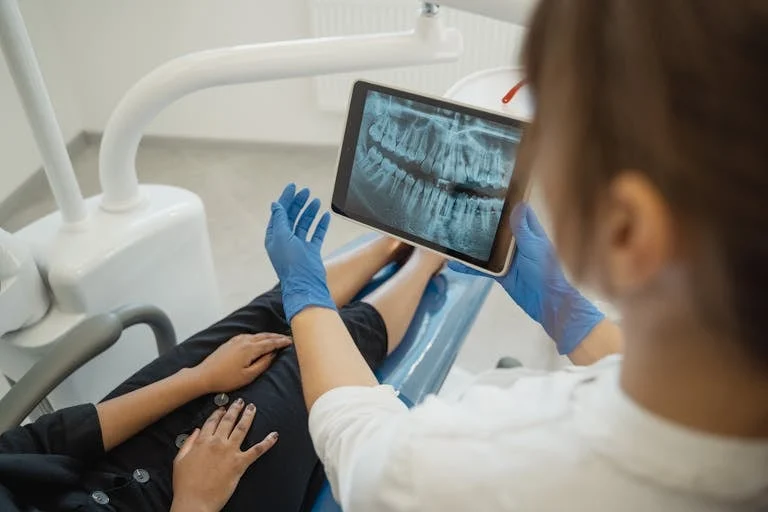
Six months is a common starting point, but family dental checkups should be based on age, oral-health risk, and what the dentist finds.
A small amount of blood on floss can happen after a gap in cleaning, but it should start improving quickly. Learn when home care is reasonable, when bleeding should be booked for a dental exam, and how to keep cleaning between teeth gently while you wait.
Sensitive gums and early wear usually need gentler brushing, not scrubbing harder. This guide shows the safest brush setup, how to clean along the gumline, what toothpaste to choose, and when lingering sensitivity should be checked.
If your teeth are wearing, cracking, or restorations keep breaking, a night guard may help protect them, but it may not answer the whole problem. This guide explains what sleep bruxism is, how dentists assess it, what a guard can and cannot do, and when snoring or daytime sleepiness should prompt a medical sleep assessment.
Gum disease and heart disease are linked in research, but that does not mean one directly causes the other. This article explains what periodontitis is, what the evidence really shows, what it does not prove, and what patients can do now to protect both oral and overall health.
If your mouth feels dry often, your cavity risk may be higher than you think. Learn why saliva matters, which fluoride options have the strongest support, and when to ask a dentist, physician, or pharmacist to review dry mouth symptoms and medications.
Acid wear is different from cavities, and it is not always just about brushing too hard. Learn how citrus water, pop, sports drinks, reflux, and brushing timing can work together to wear enamel down, what early signs to watch for, and what practical steps can help protect teeth.
A 6-month dental checkup is common, but it is not a rule that fits every adult. In Ontario, recall timing should be based on your current risk, how stable your mouth has been over time, and what kind of preventive and restorative care you need to stay healthy.
A broken tooth is not always lost, and it does not always need the same repair. Learn how dentists decide between bonding or a filling, an onlay, a crown, root canal treatment, or extraction based on the crack, the amount of healthy tooth left, and whether the tooth is truly restorable.
A tooth infection can start as a dental problem but sometimes becomes a medical emergency. Learn which symptoms usually need same-day dental care, which red flags mean go to the ER, and why antibiotics alone often do not solve the problem.
A CBCT scan can give your dentist a 3D view of teeth, bone, roots, and nearby anatomy, but it is not a routine add-on for every visit. Learn when a cone beam CT scan may be helpful, how it differs from regular dental X-rays, and what questions to ask before agreeing to 3D treatment planning.
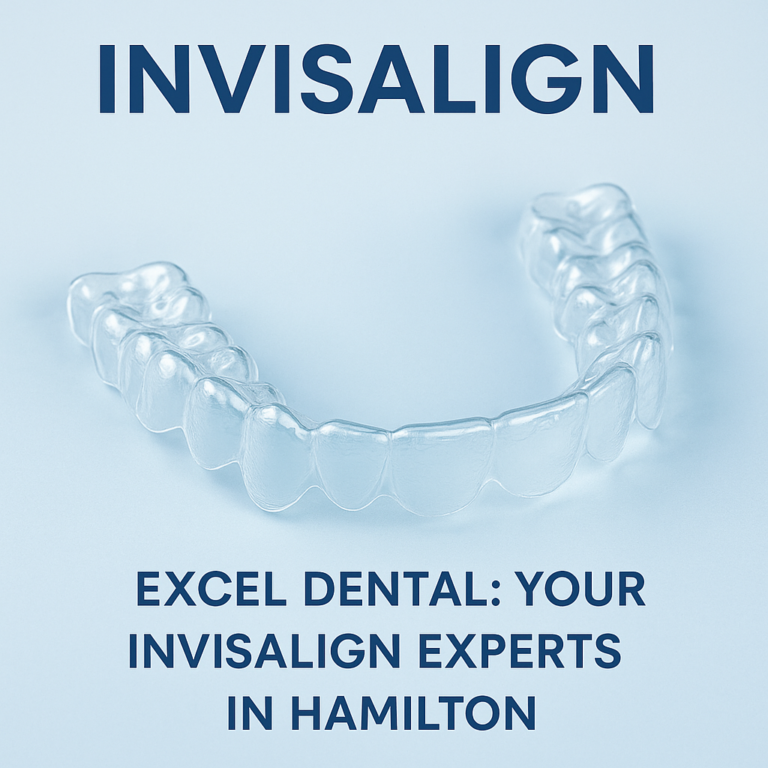
Wondering whether Invisalign or braces make more sense for you or your child? This practical Hamilton guide explains who often fits clear aligners well, when braces may still be more predictable, and what wear time, consent, cost, refinements, and retainers really mean before treatment starts.
End of content
End of content