Missing Tooth Options: Implant, Bridge, or Denture?

Comparing an implant, bridge, or partial denture starts with the teeth beside the gap, bone support, cleaning, timeline, and current CDCP coverage.

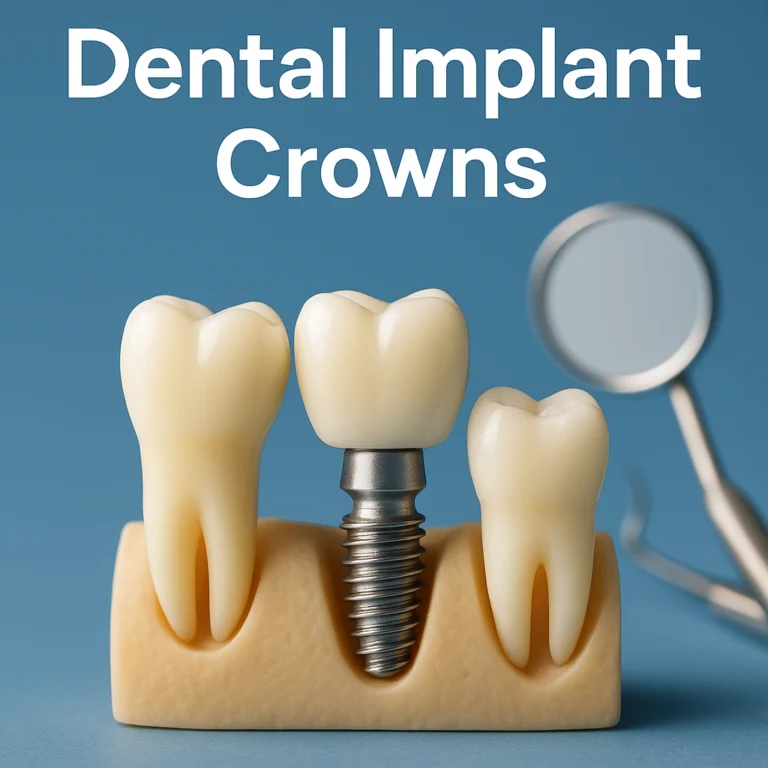
Comparing an implant, bridge, or partial denture starts with the teeth beside the gap, bone support, cleaning, timeline, and current CDCP coverage.
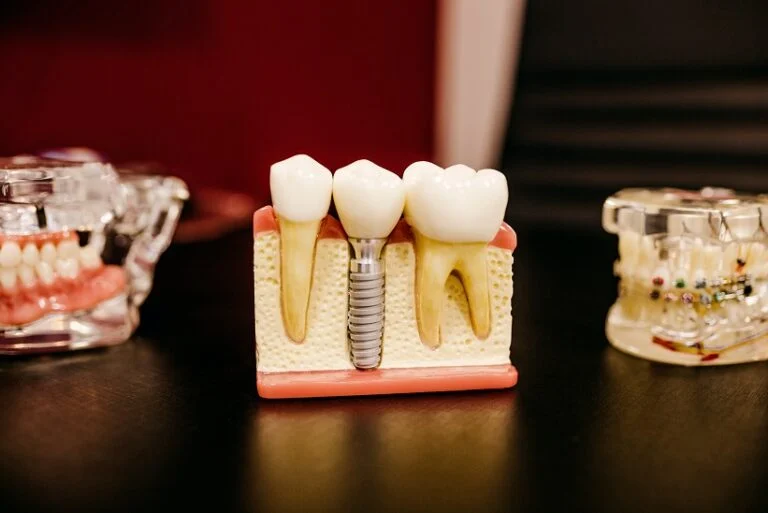
Your first implant visit is usually a planning appointment. Learn what the dentist checks first, when x-rays or CBCT may help, and what comes next.
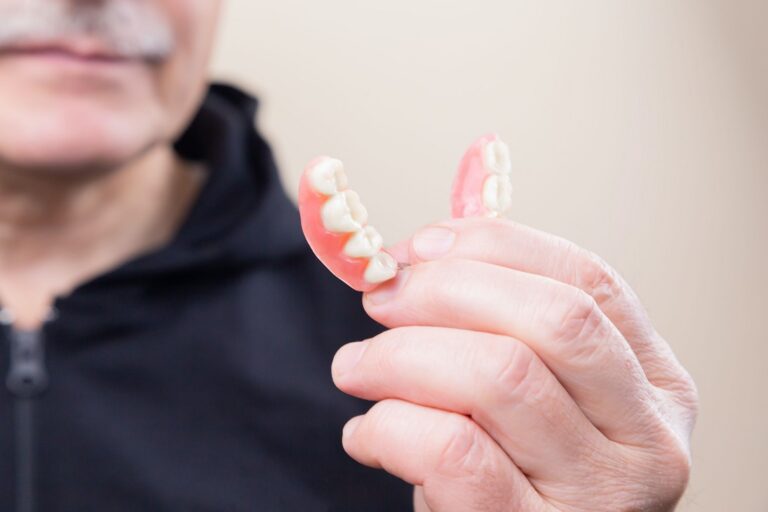
Learn how the CDCP may apply when you are missing teeth: what it may cover, what it excludes, and which questions to ask before treatment.
Compare an implant crown, bridge, or partial denture for one missing tooth or a short gap: support needs, cleaning, timeline, and CDCP coverage.

Before agreeing to bone grafting for implants, ask why it’s needed, what imaging shows, and whether timing or a non-graft option could fit your case.
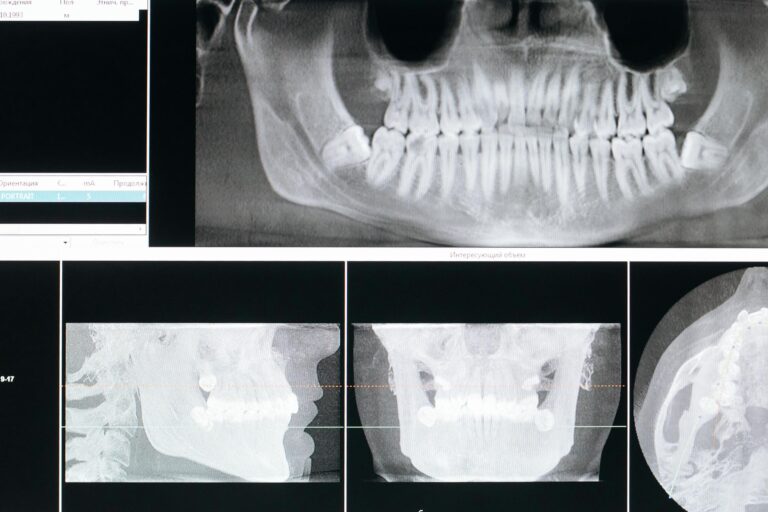
CBCT is a 3D planning scan that can show bone, sinus, and nerve-related anatomy before implants—and when a 2D X-ray may still be enough.
Compare a dental implant, bridge, or removable partial denture with plain-language guidance on nearby teeth, bone, healing, cleaning, and CDCP coverage.
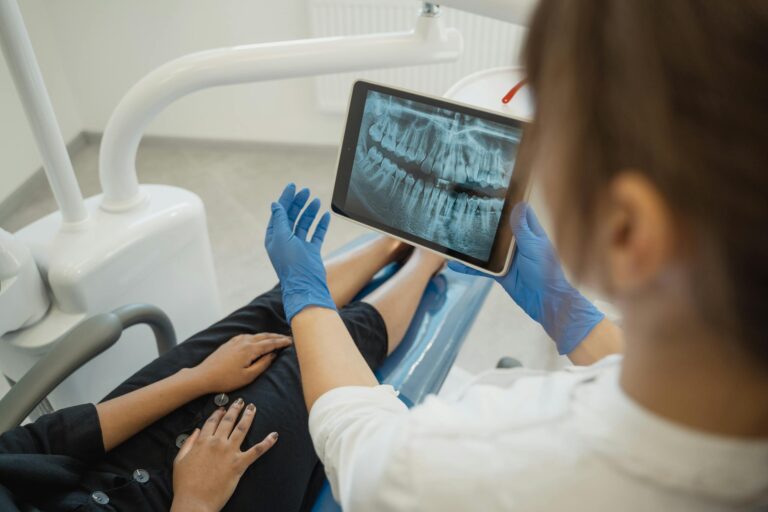
A first implant visit is usually a planning appointment. Learn what the dentist checks, when 3D imaging may help, and what to ask about cost.
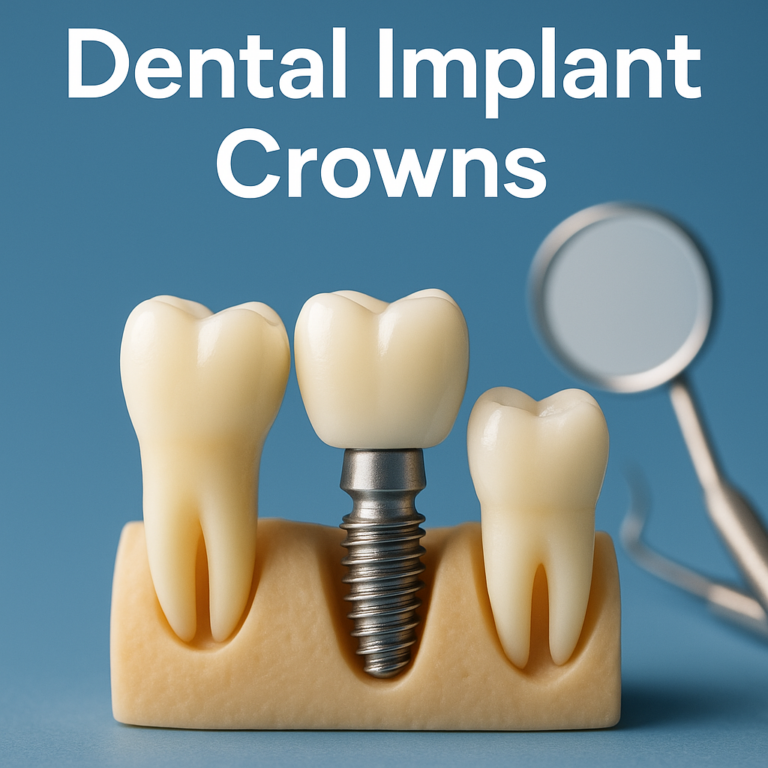
If the teeth beside a missing tooth are healthy, the main decision is whether to preserve them, avoid surgery, or choose a removable option—and what may be covered.

Bone grafting is not always needed before implants. Use this checklist to ask about timing, options, healing, cost, and CDCP coverage before you decide.

A CBCT scan can add 3D detail about bone and nearby anatomy before an implant when a flat X-ray is not enough—and should be used only when it changes planning.
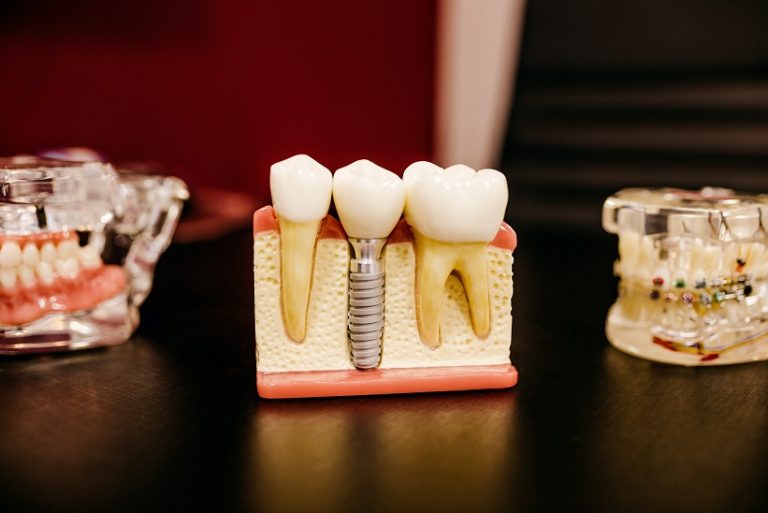
A patient-friendly guide to implant crowns, bridges, and dentures—and how dentists weigh nearby teeth, bone support, cleaning, and timing.
End of content
End of content