
Implant crown vs bridge vs partial denture: how to choose when a tooth is missing
When one tooth is missing and the teeth beside the gap are generally healthy, the decision is often less about finding a single “best” option and more about choosing what you want to preserve. Do you want to leave the nearby teeth untouched, avoid surgery, or accept a removable appliance? An implant crown, a bridge, and a partial denture each change the mouth in a different way.
How the three options differ
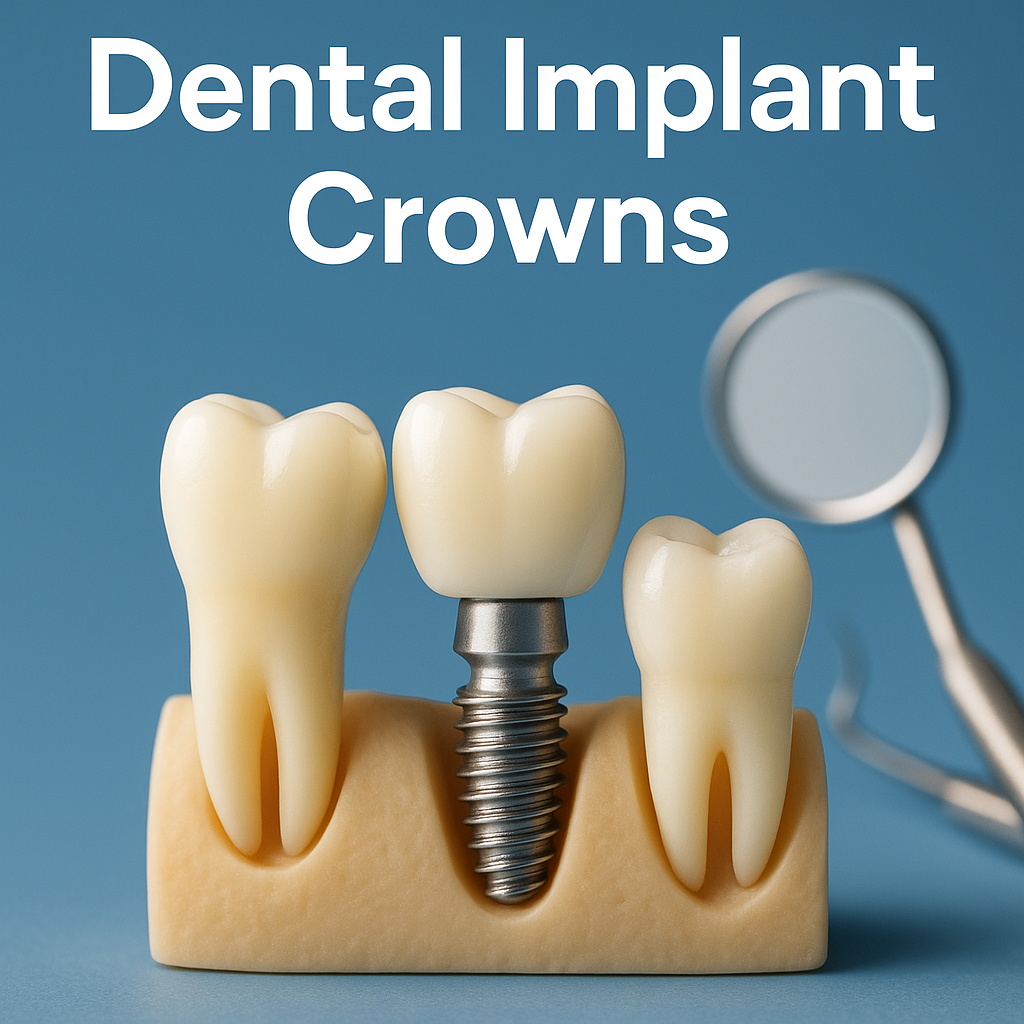
Implant crown: A dental implant is placed into the jawbone, then a crown is attached to replace the visible tooth. In many cases, the teeth beside the gap do not need to be prepared. That can be appealing when those teeth are healthy. The trade-off is that implant treatment involves surgery, healing time, and enough bone and gum support to work well.
For a broader explanation of implant treatment, see our dental implants page.
Bridge: A bridge is fixed in place and fills the gap by joining a replacement tooth to the teeth on either side. The advantage is that it does not involve implant surgery. The main trade-off is that the neighbouring teeth usually need to be shaped and covered with crowns, even if they were healthy enough to leave alone before treatment.
Partial denture: A partial denture is removable and can replace one or more missing teeth. It usually requires the least tooth preparation, which makes it a practical option for many people. The trade-off is that it may feel bulkier than a fixed option, and it needs to be removed for cleaning and checked regularly for fit.
What dentists look at first
When the teeth beside the space are healthy, the question becomes: what is the best overall plan for your mouth?
- Neighbouring teeth: Are they strong and healthy, or do they already need crowns or other treatment?
- Bone and gum health: Is there enough support for an implant, and are the gums healthy enough to maintain it?
- Bite forces: Is the missing tooth in a light-chewing area or a heavy-chewing area?
- Home care: Will you be able to clean around a bridge, an implant, or a partial denture every day?
- Timeline and budget: How much time, cost, and follow-up are realistic for you?
That is why two people with the same missing tooth can end up with different treatment plans.
Maintenance is part of the decision
All three options can restore chewing and appearance, but they are not maintained in the same way.
- Implant crown: Needs careful cleaning around the implant and regular professional follow-up.
- Bridge: Needs cleaning under and around the replacement tooth, often with floss threaders or other tools.
- Partial denture: Needs daily cleaning out of the mouth, plus occasional adjustments if the fit changes.
Comfort matters too. Some people prefer the feel of a fixed option. Others prefer a removable option because it avoids surgery or keeps the plan simpler. Patient experience can vary, and the long-term comparison evidence is helpful but not complete for every situation.
Coverage and cost can change the answer
In Canada, coverage rules are not the same for every replacement option. Under the Canadian Dental Care Plan, implant-related care is excluded on the coverage page used here, while crowns, bridges, and partial dentures have their own rules and may require preauthorization or other eligibility checks. Even when a service is covered, that does not mean every part of treatment or every material is covered in full.
For many families, that means the “best” plan is not just the most conservative or the most advanced one. It is the plan that fits the mouth, the timeline, and the coverage available.
When to ask more about implants
If you like the idea of leaving healthy neighbouring teeth alone, an implant crown may be worth discussing—if your bone, gums, and overall health allow it. If the teeth beside the gap already need crowns, a bridge may fit the larger treatment plan better. If you want a non-surgical and removable option, a partial denture may be the most practical starting point.
If you are in Hamilton, Excel Dental can help you compare the options in the context of your bite, gums, bone, and coverage questions.
Questions to bring to your consultation
- Do I have enough bone for an implant, or would I need additional planning first?
- Do the teeth beside the gap need crowns or other treatment anyway?
- How will I clean this option every day?
- How often will it need adjustment or follow-up?
- What is likely covered, and what might be out of pocket?
Key sources
- Canadian Dental Association: Dental Implants
- Government of Canada: CDCP Coverage
- Implant Crowns and Fixed Partial Dentures
This article is for general education only and does not replace personalized advice, diagnosis, or treatment from a licensed dentist.