Can Invisalign Work With Crowns, Fillings, or Gum Recession?

Sometimes yes — but crowns, fillings, and gum recession can change the plan. Here is what a dentist checks before deciding whether Invisalign is a good fit.

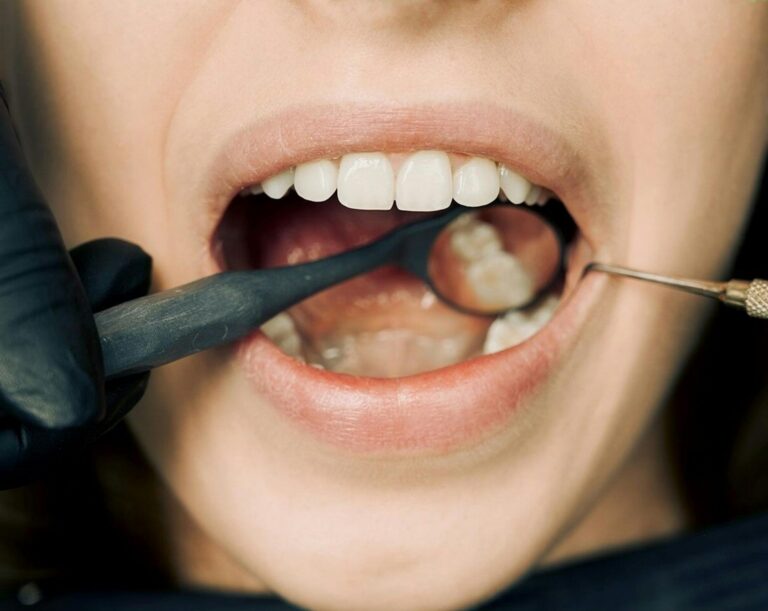
Sometimes yes — but crowns, fillings, and gum recession can change the plan. Here is what a dentist checks before deciding whether Invisalign is a good fit.
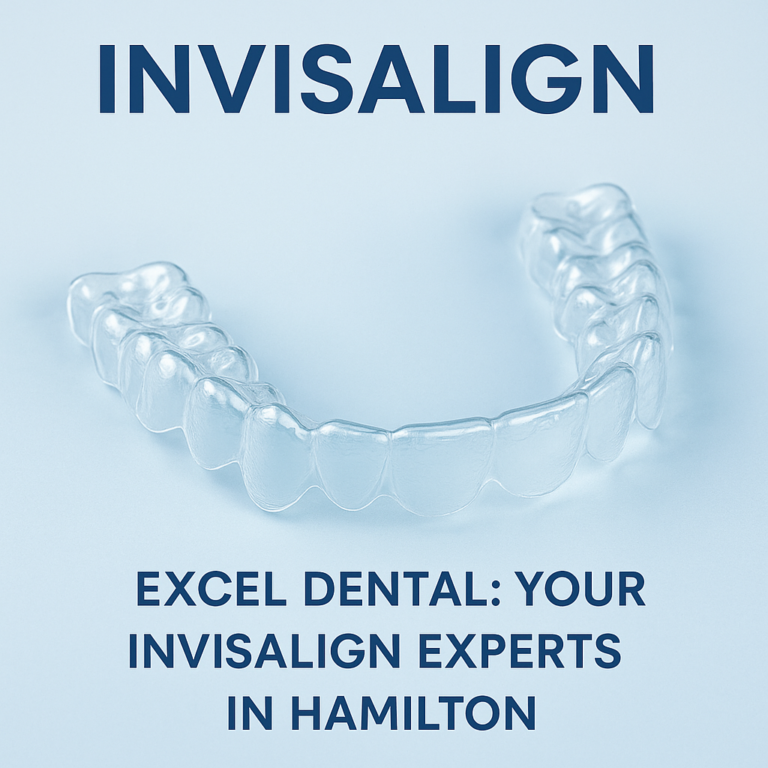
A consult is the right time to ask how aligners fit your gums, bite, wear-time, cost, refinements, and retainer plan before you start.

Medication-related dry mouth can raise cavity risk. Learn what to mention at a dental visit and how dentists plan fluoride-based prevention.
If you have diabetes or prediabetes and notice bleeding gums, bad breath, dry mouth, or slow healing, bring a symptom list, meds list, and key questions.
Bleeding or swollen gums do not diagnose gum disease on their own. A dentist usually starts with a visual exam, probing, plaque checks, and history.
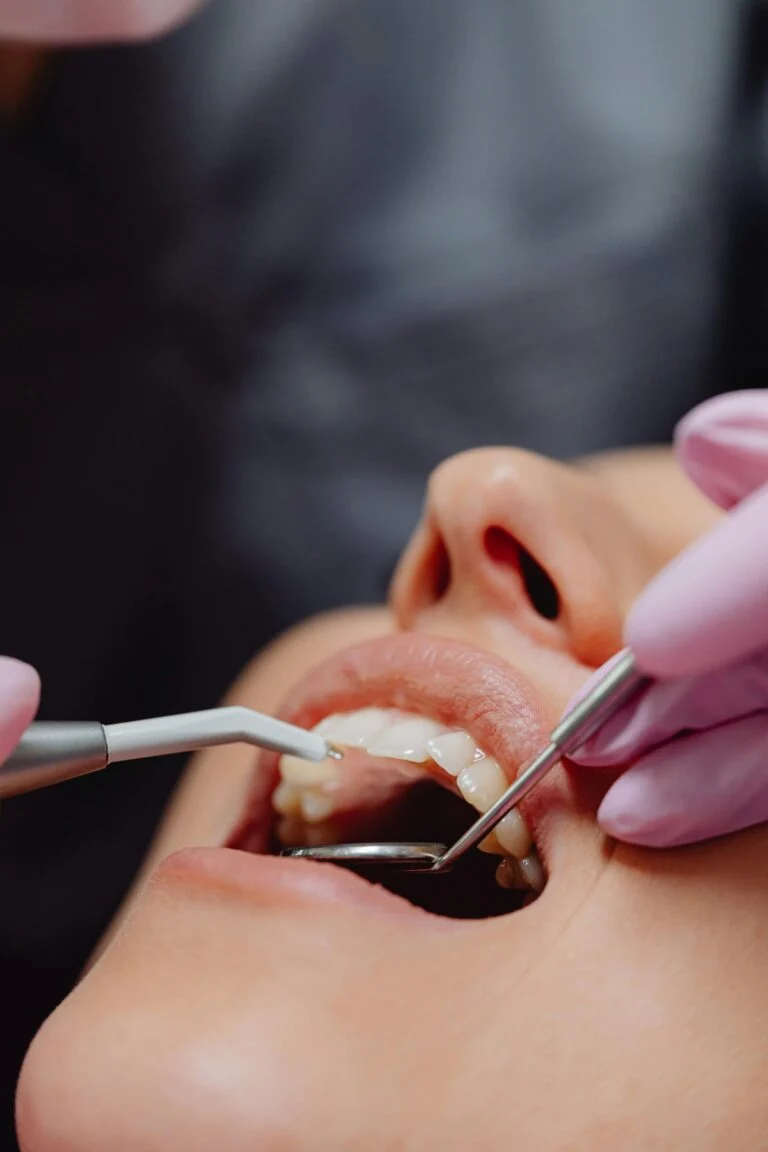
A little bleeding after you improve flossing can happen, but repeated bleeding, swelling, or bad breath is a reason to book a dental check in Hamilton.
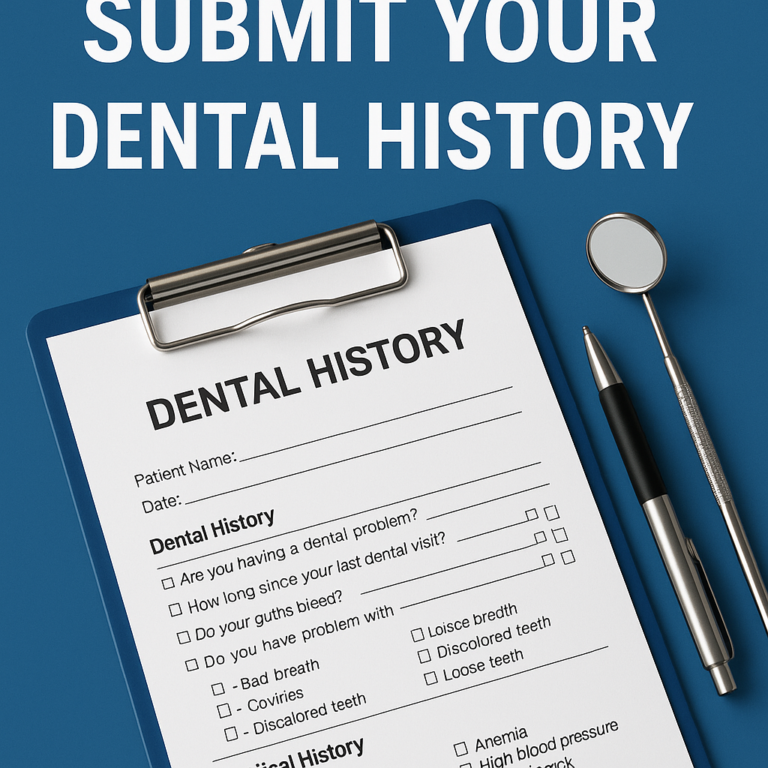
Starting at McMaster or Mohawk? A first dental visit can help you gather old records, list meds and allergies, and check whether wisdom teeth need sooner care.

There is no one checkup schedule that fits every patient. For busy Hamilton adults, the best recall timing depends on your oral health, symptoms, and what your dentist finds at the exam.
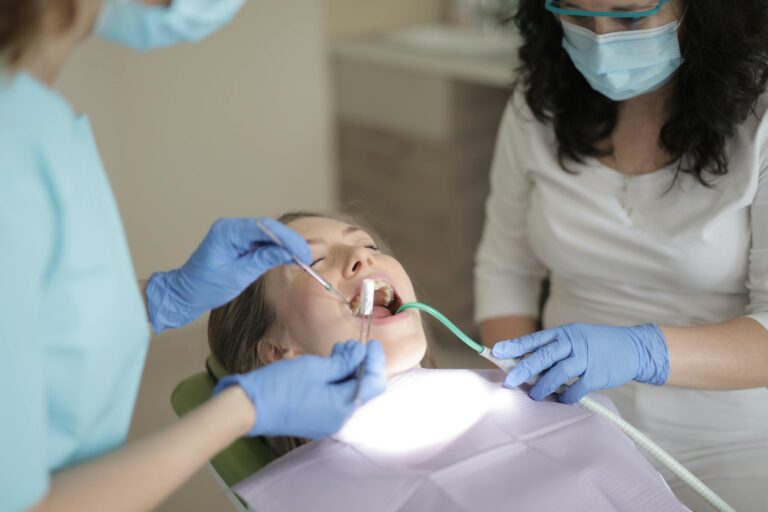
Before booking a family visit, ask five CDCP questions: is coverage active, does the office bill Sun Life, what needs approval, and what might you owe?

Before booking a dental visit in Hamilton, ask what CDCP may cover, what could be extra, and whether you can get a written estimate first.
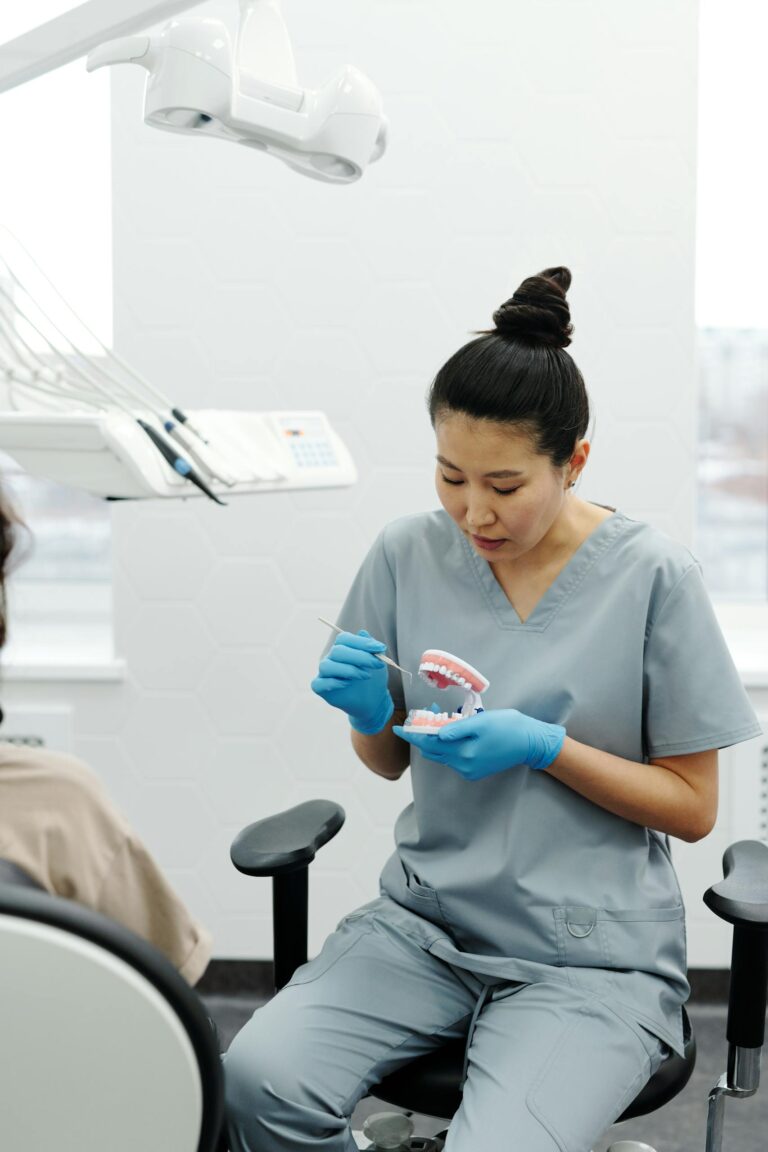
If dental visits make you tense, ask a few calm questions before booking. Here is how to screen a Hamilton dentist for clear communication and comfort.
A family calendar can help you book dental checkups before school, work, and activities crowd them out. Recall timing should be risk-based, not one-size-fits-all.
End of content
End of content