
Bad breath and dry mouth: common causes, home care, and when to book a dental visit
What bad breath and dry mouth have in common
Bad breath and dry mouth often show up together. Saliva helps rinse away food bits, buffer acids, and keep the mouth more comfortable. When saliva is low, odor-causing bacteria and debris can build up more easily, and the mouth may feel sticky, dry, or hard to swallow.
That does not mean every case is a dental problem. But it does mean the mouth is a good place to start looking for the cause.
Common oral causes and everyday triggers
Some of the most common mouth-related causes include:
- plaque buildup on teeth and along the gumline
- gum inflammation or gum disease
- food trapping between teeth
- tongue coating
- cavities or broken fillings that trap debris
- mouth breathing, especially at night
- saliva changes that make the mouth drier than usual
Dry mouth can also happen for reasons outside dentistry, including some medicines and other health issues. A dental visit can help sort out whether the mouth is the main source and whether medical follow-up may be helpful.
Home care that may help between dental visits
These simple steps may reduce odor and dryness for many people:
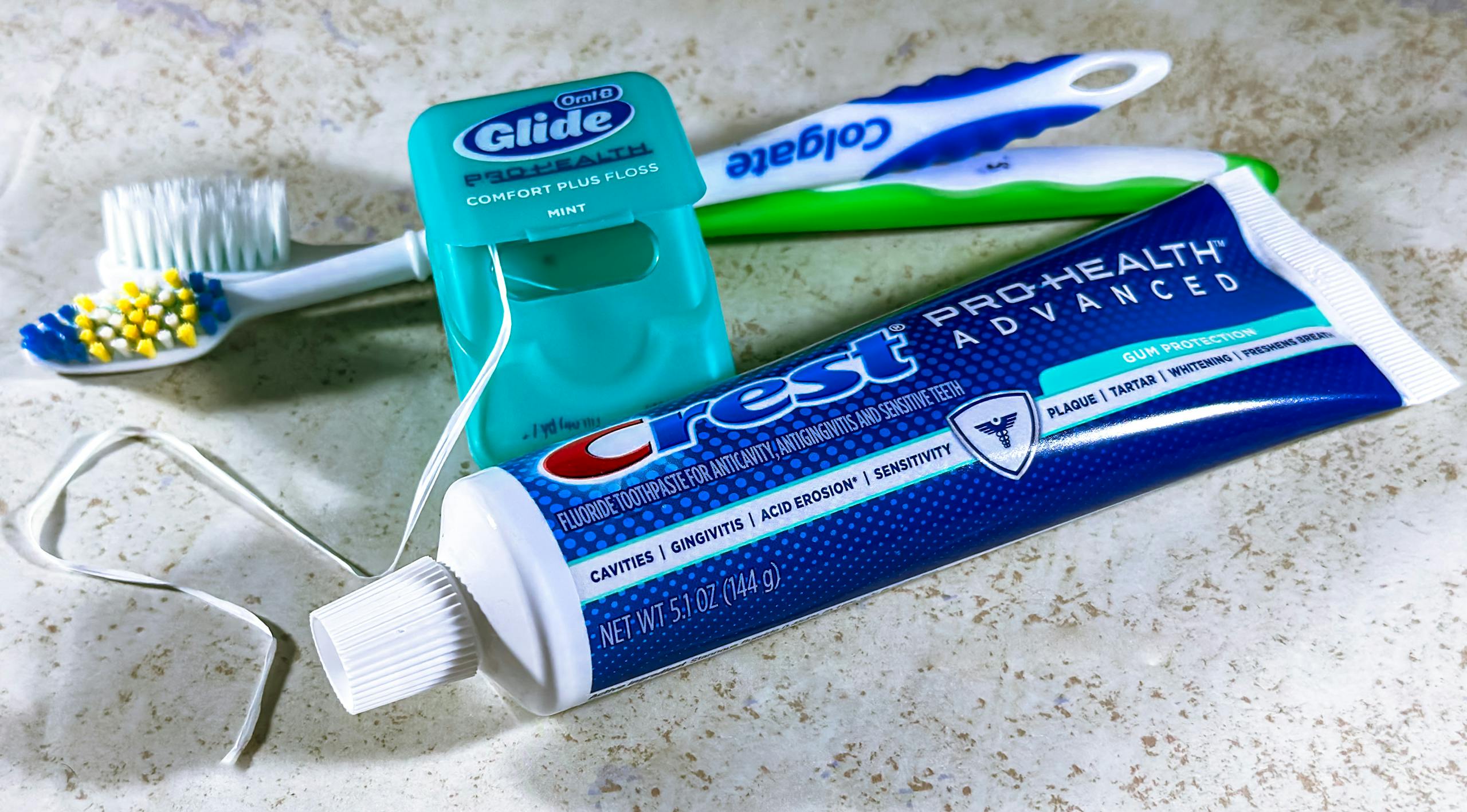
- Brush twice a day with fluoride toothpaste.
- Clean between the teeth once a day with floss or another between-teeth cleaner.
- Gently clean the tongue.
- Sip water through the day.
- Consider sugar-free gum if you can chew it safely and comfortably.
These steps can help with symptoms, but they do not always fix the cause. Mouthwash, mints, or gum may freshen breath for a short time, yet they should not be the only plan if the problem keeps coming back.
When it is time to book a dental exam
It is a good idea to book a dental visit if you have:
- persistent bad breath
- dry mouth that keeps happening or lasts a long time
- bleeding gums
- mouth sores that do not heal
- a bad taste that keeps returning
- visible gum swelling
- loose teeth
- symptoms that do not improve with basic home care
Those signs do not point to one single diagnosis, but they do deserve an exam. A dentist can check for plaque buildup, gum problems, decay, tongue coating, saliva changes, and other clues that are easy to miss at home.
If the mouth looks healthy, a dentist may suggest that you speak with your physician or pharmacist about possible non-dental causes. It is not about guessing or self-diagnosing. It is about finding the most likely source in a calm, step-by-step way.
For Hamilton patients
If you are in Hamilton and the problem keeps coming back, a routine exam is a sensible next step. A visit can help narrow down whether the concern is mainly teeth, gums, saliva, or something outside dentistry. You can start with general dentistry to review your options and decide what to do next.
What to ask at your visit
If you book an exam, it can help to ask:
- Do you see signs of gum inflammation or decay?
- Could dry mouth be playing a role?
- Are there home care changes that would help in my case?
- Do I need to ask my doctor or pharmacist about anything else?
That kind of visit is often the fastest way to move from frustration to a clear plan.
Key sources
- Government of Canada: Oral Health
- National Institute of Dental and Craniofacial Research — Dry mouth
- City of Hamilton: Dental Health
This article is for general education only and does not replace personalized advice, diagnosis, or treatment from a licensed dentist.