
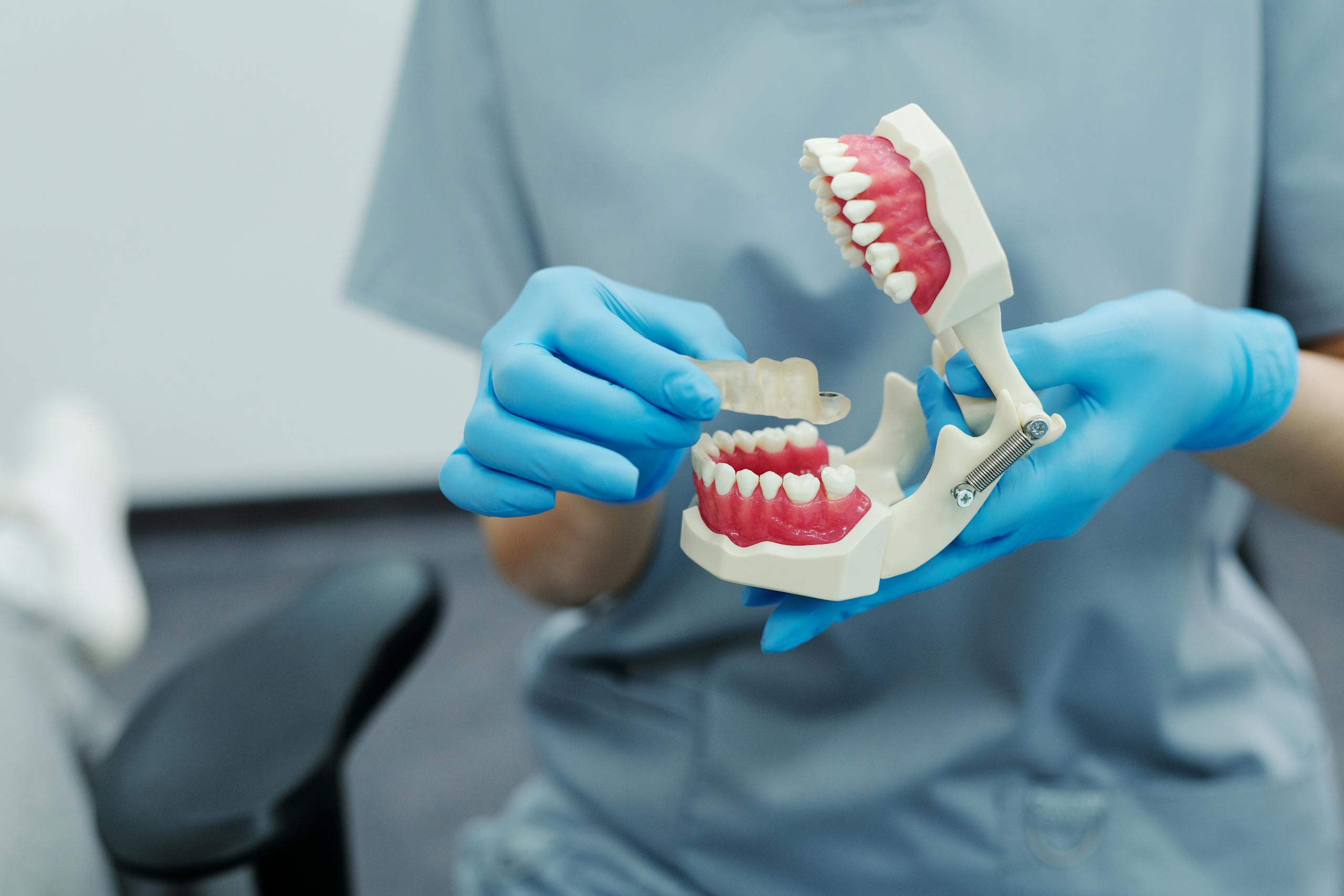
Are Clear Aligners Easier to Keep Clean Than Braces for Teens?
Why orthodontic treatment changes teen cleaning habits
Braces and clear aligners can both make oral hygiene more demanding during the teen years. The good news is that both can be kept clean with a simple routine done every day, not just once in a while.
The main difference is this: braces add fixed parts like brackets and wires that trap plaque and food more easily, while clear aligners are removable, which usually makes tooth cleaning easier. A recent umbrella review found oral-hygiene outcomes were generally better with clear aligners than with fixed appliances overall. That does not mean aligners are maintenance-free, and it does not mean every teen will find them easier.
What makes braces harder to clean
Braces create more nooks and edges where plaque can sit. That can make brushing and flossing slower, especially around the gumline and between teeth. If plaque stays there, gums can get irritated and bleed more easily.
Teens with braces usually need a little more patience and the right tools, especially an interdental brush or floss threader to clean around wires and tight spaces. The American Association of Orthodontists recommends paying close attention to those hard-to-reach areas during orthodontic treatment.
What makes clear aligners easier, but not effortless
Clear aligners can be easier to keep clean because teens can remove them to brush and floss normally. That is a real advantage, but it only works if teeth are cleaned before the trays go back in. If food, sugar, or plaque stays on the teeth under the aligners, the risk of white spots, bad breath, and gum inflammation can still go up.
If your teen is considering aligners, our Invisalign page explains the treatment itself. This article is focused on the day-to-day cleaning side.
A simple daily routine that works with either option
- Brush twice a day with fluoridated toothpaste.
- Brush after meals when possible, especially after sticky or sugary snacks.
- Clean between the teeth every day with floss, a floss threader, or an interdental brush.
- For aligners: remove them for eating, then clean the teeth before putting them back in and rinse or gently clean the trays regularly.
- For both: keep up with regular dental checkups so early changes are caught sooner.
Canadian oral-health guidance emphasizes brushing twice daily, flossing daily, fluoride use, and seeing a dental professional when problems show up.
What white spots and bleeding gums can mean
Chalky white spots on the teeth can be an early sign that enamel has been losing minerals, often called demineralization. Bleeding gums can be a sign that plaque is irritating the gum tissue. Neither problem means a teen has failed at oral hygiene, but both are worth checking early so they do not keep progressing.
Bad breath that does not improve, gum swelling, or repeated white spots are good reasons to ask for a hygiene review sooner rather than later.
Tools and habits that help families stay on track
Some teens do better with a small kit they can keep in a backpack or locker: a toothbrush, fluoridated toothpaste, floss picks or floss threaders, and an interdental brush. For aligners, a soft toothbrush and regular rinsing can help keep the trays clean. The best routine is the one a teen can actually repeat every day.
Families can also ask for a quick brushing or flossing demo at a routine visit. That can be especially helpful if a teen has dexterity challenges, is busy with school and sports, or just needs a simpler method that fits their mouth.
A calm next step
If your teen has braces or clear aligners and you are unsure about the cleaning routine, book a hygiene check or ask for a technique review at a regular dental visit. In Hamilton, that can be a practical way to check for white spots, gum irritation, or plaque buildup early and make the routine easier to manage.
Key sources
- American Association of Orthodontists — Oral Hygiene Tips During Orthodontic Treatment
- American Academy of Pediatric Dentistry — Best Practices: Adolescent Oral Health Care
- Government of Canada: Oral Health
- Umbrella review of clear aligners vs fixed appliances and oral health
This article is for general education only and does not replace personalized advice, diagnosis, or treatment from a licensed dentist.