
How Far Ahead to Start Teeth Whitening Before a Wedding, Graduation, or Interview
Why whitening needs lead time
If you want a brighter smile for a wedding, graduation, or interview, plan ahead. Whitening is not a one-size-fits-all treatment. Your starting shade, the type of staining, and the whitening method all affect how much change you may see and how long it may take.
Ontario’s dental regulator emphasizes diagnosis, treatment planning, and supervision before whitening. That matters because a quick cosmetic plan can miss cavities, gum problems, or older dental work that affects the result.
A practical rule is to think in weeks rather than days. If your event is soon, book a whitening consult early instead of waiting until the last minute.
At-home vs in-office whitening
Both at-home and in-office whitening can be useful, but they fit different timelines. At-home whitening usually takes longer, so it can be a good option when you have more time before the event. In-office whitening may change shade more quickly, but it still does not guarantee a specific result by a fixed date.
A recent PubMed-indexed meta-analysis found that both approaches can be effective, but results varied across studies because products, treatment schedules, and outcome measures were not the same. In plain language: the best choice depends on your teeth, your schedule, and how much change is realistic for you.
If you are hoping to look more polished for photos or a big interview, the key question is not only, “Which option is faster?” It is also, “Which option is most likely to fit my teeth safely and comfortably?”
Why a pre-whitening exam matters
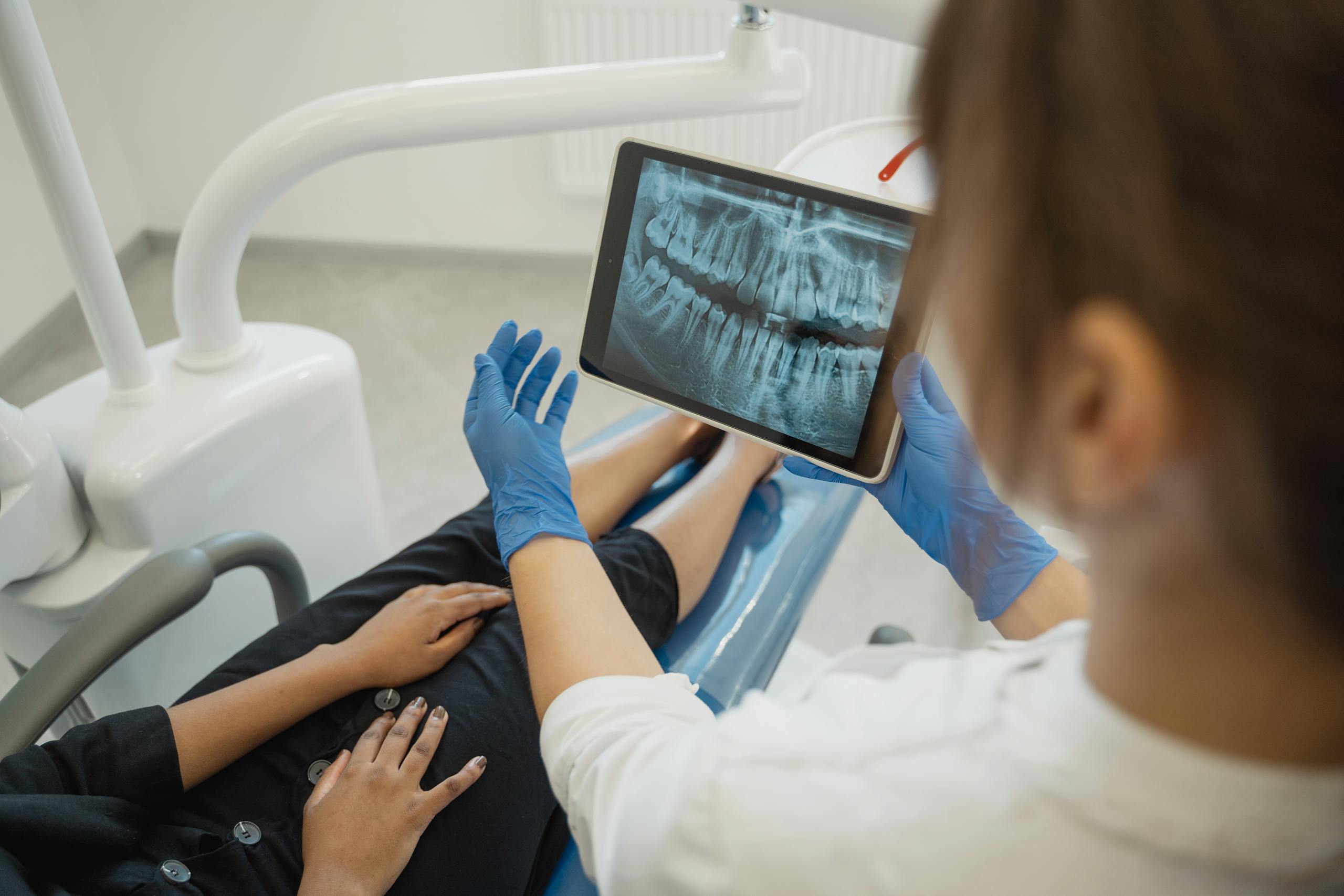
A dental exam before whitening can check for cavities, gum inflammation, gum recession, cracks, and existing restorations. Those issues can change whether whitening is a good idea now, or whether they should be treated first.
Whitening can brighten natural enamel, but it does not whiten crowns, fillings, veneers, or bonding the same way. If those materials show when you smile, a shade mismatch is possible.
That is why a checkup first can prevent surprises and help you decide whether whitening is the right next step.
What to expect if your teeth are sensitive
Mild, temporary sensitivity can happen with whitening. If your teeth already feel sensitive, tell your dentist before you start. That does not automatically rule whitening out, but it may change the product, wear time, or schedule.
If you have gum disease, untreated decay, or significant sensitivity, those issues usually need attention before cosmetic whitening. Treating them first can make the whitening plan safer and more comfortable.
How to plan if your date is close
If the event is coming up soon, start with a checkup and whitening consult. Your dentist can help you decide whether at-home whitening, in-office whitening, or a later date is the safer fit for your timeline. If you want to learn more first, our teeth whitening page gives a simple overview of the options.
For many patients, the most realistic goal is not a perfect shade on a fixed date. It is a safer plan that improves your smile as much as your teeth allow, with less chance of surprises.
If cost matters, cosmetic whitening is generally excluded from the Canadian Dental Care Plan, so it is usually an out-of-pocket choice. That is another reason to plan early rather than rush.
If you are in Hamilton and have a milestone date coming up, a checkup and whitening consult can help you decide what is realistic for your smile and your schedule.
Key sources
- RCDSO — Tooth Whitening Procedures
- American Dental Association — Whitening
- Government of Canada: CDCP Dental Benefits Guide
This article is for general education only and does not replace personalized advice, diagnosis, or treatment from a licensed dentist.