What to Expect at Your First Dental Exam After Years Away

A return dental exam usually starts with your health history, symptom review, tooth and gum checks, oral cancer screening, and x-rays only when needed.

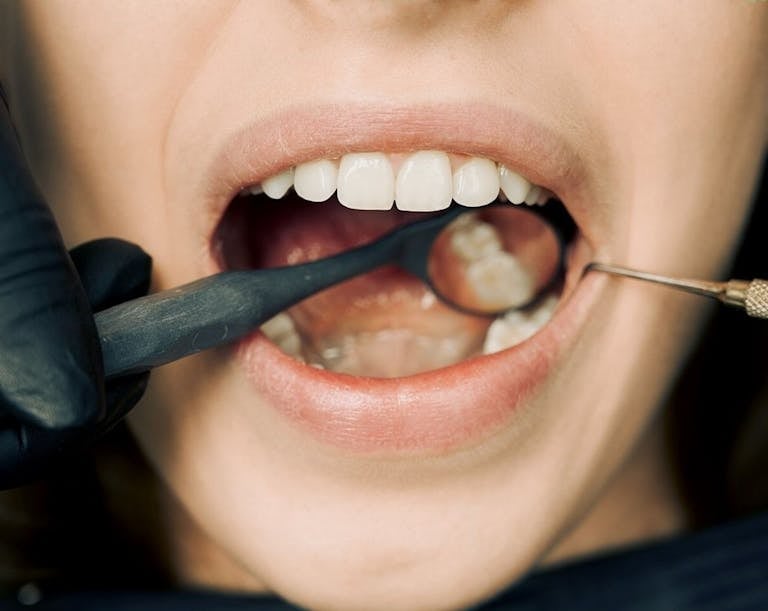
A return dental exam usually starts with your health history, symptom review, tooth and gum checks, oral cancer screening, and x-rays only when needed.

If anxiety has kept you away from the dentist, your first visit can begin with a conversation, a simple exam, and a plan that fits your comfort level.

Night guards can protect teeth from grinding, but they do not guarantee headache relief. Learn when a dental exam may help sort out jaw soreness.
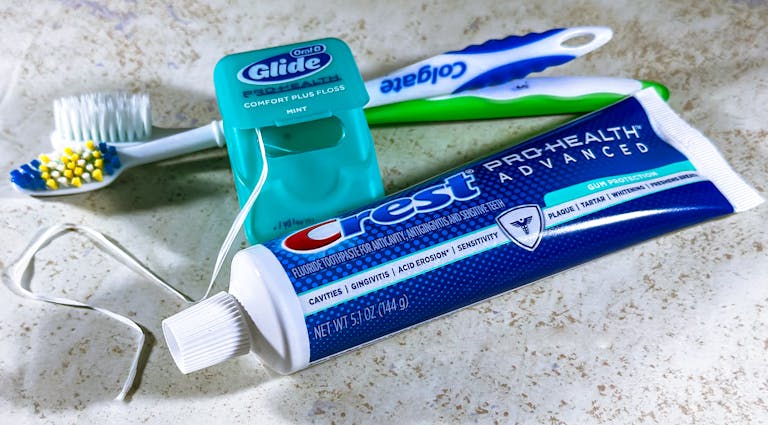
If string floss keeps slipping or feels impossible, the issue may be fit, not effort. Learn which cleaner may suit tight teeth, wider spaces, or dental work.
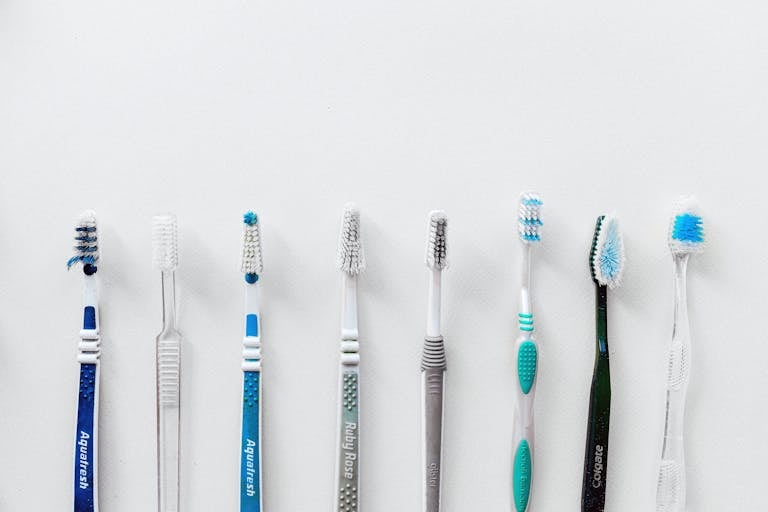
A practical family guide to choosing a toothbrush based on habit, age, and dexterity. The best brush is the one your family will use well twice a day.
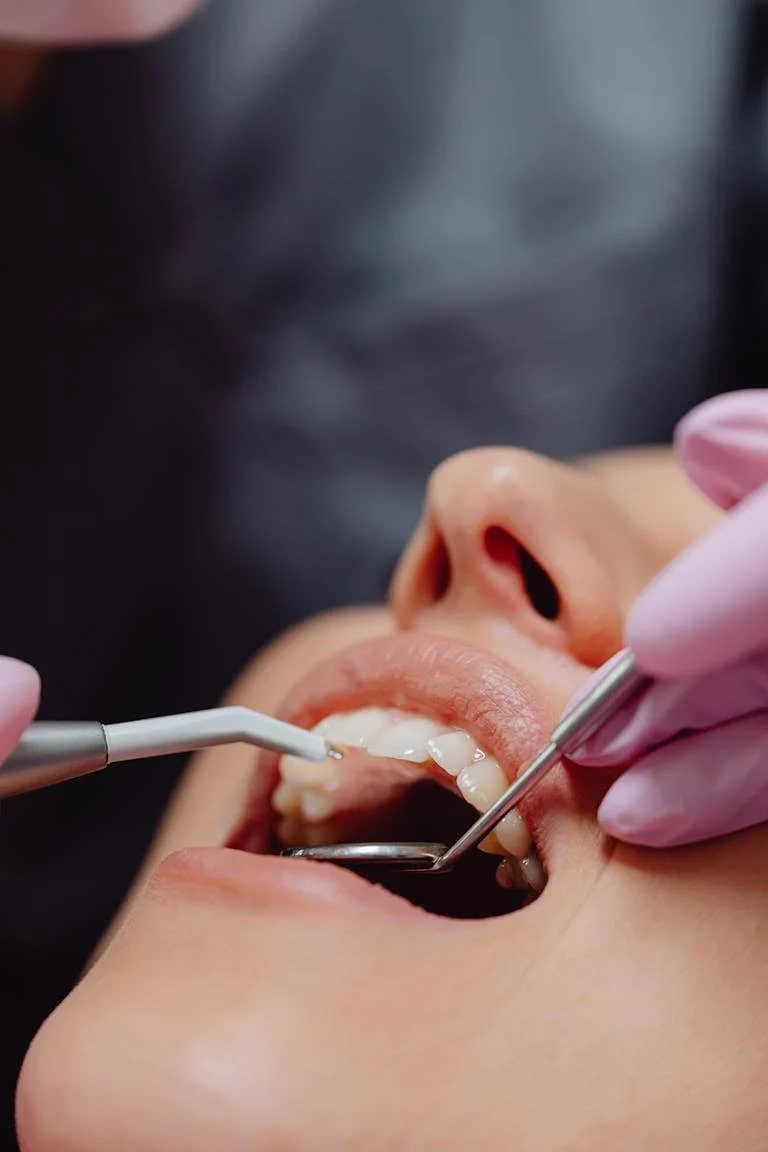
Dry mouth can make bad breath linger. Learn the common oral causes, simple home care, and when a dental exam may help sort out the next step.

If you have a fixed-date event coming up, the best whitening plan depends on your timeline, sensitivity, and whether you have fillings, crowns, or veneers.

Mild sensitivity after whitening is common and often short-lived. Learn what helps at home and when swelling, one-sided pain, or fever means it’s time to call.
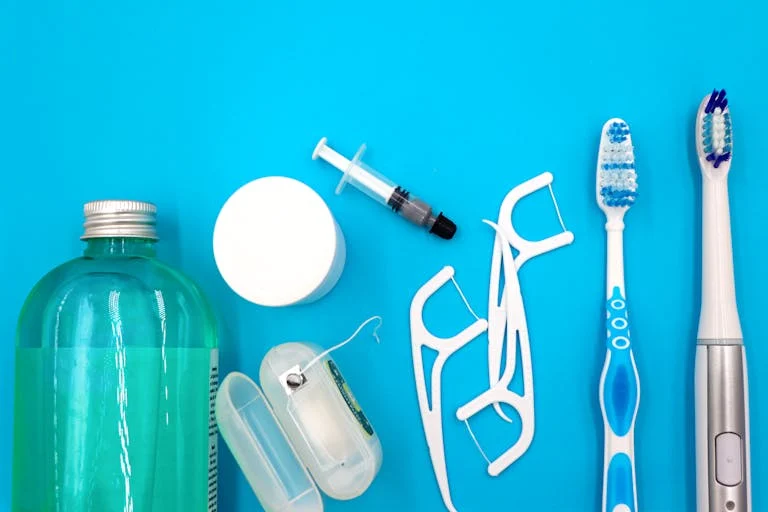
Braces and aligners need different cleaning habits, but both need brushing, flossing, and careful timing after sugary drinks to lower white-spot risk.

Retainers still need checks after Invisalign. Learn what follow-up visits look for, which changes matter, and when Hamilton patients should book a review.
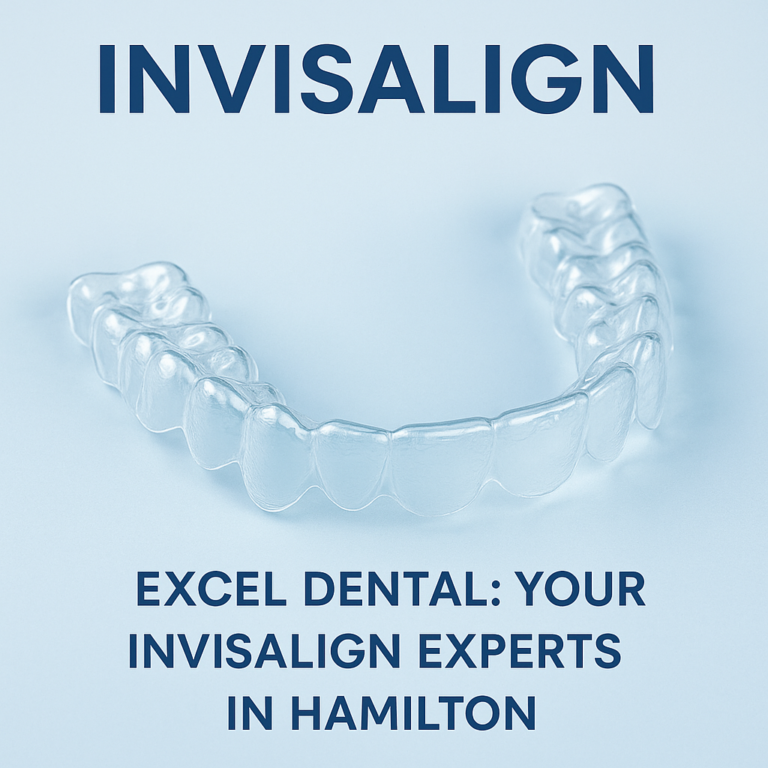
For busy adults in Hamilton, the choice often comes down to wear-time, eating, cleaning, and which option fits your routine and bite best.

Crowns, fillings, or gum recession do not automatically rule out Invisalign. An exam shows whether your gums, restorations, and bite are stable enough to start.
End of content
End of content