
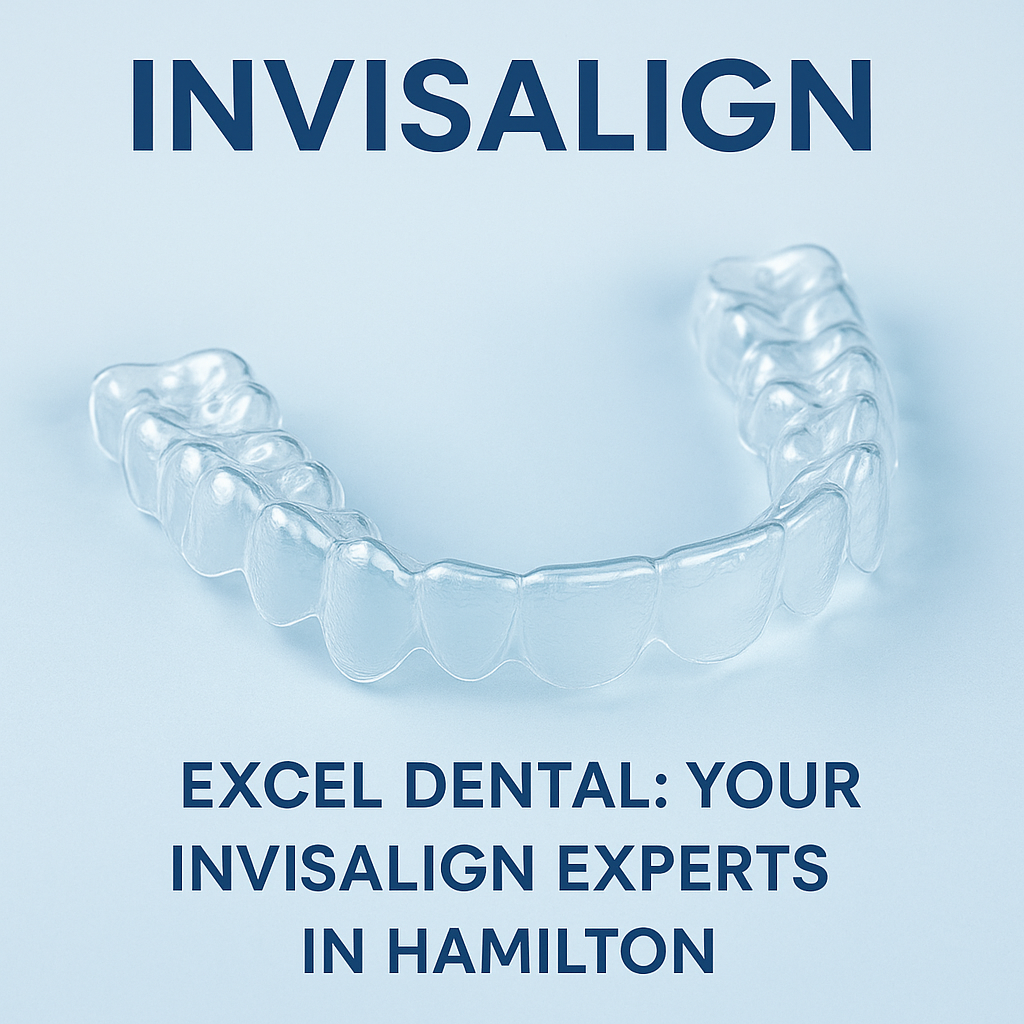
Invisalign Consultation in Hamilton: What Adults Should Ask Before Starting Clear Aligners
Why the consult matters
If you are considering Invisalign or another clear aligner plan, the consultation should be a decision-making visit, not just a brochure handout. A good consult helps you understand whether your gums are healthy enough to start, whether the bite changes you want are realistic, what daily wear will look like, and what happens if the plan needs to change.
Ontario consent rules also matter here: you should get enough information to make a real choice and enough time to ask questions before treatment begins.
1) Are my gums, cavities, and cleaning habits stable enough to start?
Ask directly whether you need fillings, a hygiene visit, or gum treatment first. If you have active gum inflammation or untreated decay, those issues usually need to be assessed and managed before aligners start. If your gums bleed, feel swollen, or you notice ongoing bad breath, ask for a gum-health check before you begin.
That question matters because the evidence that clear aligners improve gum health is limited and low-certainty, and any benefit seems to depend on how consistently the aligners are worn and cleaned.
2) Is clear aligner treatment realistic for my bite and goals?
Ask what the dentist is using to judge whether aligners can actually do the job. Adults often want straighter front teeth, but the plan also has to work for the bite, the amount of tooth movement needed, and any limits created by gum health or tooth shape.
It is reasonable to ask: What result are we aiming for? What problems might make aligners a poor fit? Would another approach be more predictable for my case? The American Association of Orthodontists notes that clear aligners are not right for everyone.
3) How strict is wear-time, and what happens if I miss hours or days?
Ask how many hours per day you are expected to wear each tray. Many clear aligner plans are based on wearing them about 22 hours a day, with removal mainly for eating, drinking anything other than water, and cleaning.
Also ask what happens if your wear-time is inconsistent. Repeated gaps can make tooth movement less predictable and may lead to extra visits or changes in the plan. If you travel often, work long shifts, or know you may struggle with routines, say so at the consult.
4) What is included if refinements or extra scans are needed?
Some treatment plans need mid-course changes. That can mean extra scans, additional aligners, or refinements after the first round. Ask what is included in the written fee estimate and what is not.
Good questions include: Are refinements included? Are replacement trays included if one is lost or damaged? Are extra records or scans included if the bite does not track exactly as planned? Ask for the estimate in writing so you can compare apples to apples before you decide.
5) What does retention look like after treatment?
Retention is not an afterthought. Teeth can move again after active treatment ends, so ask what retainer type is planned, how long you are expected to wear it, and how relapse will be checked over time.
Ask whether your plan uses a removable retainer, a fixed retainer, or both, and what follow-up is expected. What matters is that you understand the long-term plan before you start, not after the final tray comes off.
A calm next step in Hamilton
If you are comparing options in Hamilton, you can review the basics on our Invisalign page and book a consultation if you want a written plan and time to go over your questions.
Key sources
- American Association of Orthodontists — Consultation Questions
- RCDSO — Consent to Treatment
- Recent Systematic Review on Clear Aligners and Periodontal Health
This article is for general education only and does not replace personalized advice, diagnosis, or treatment from a licensed dentist.