What Your Dentist Checks Around Existing Fillings and Crowns

A filling or crown can feel fine and still deserve a look at your checkup. Learn what the dentist assesses, when an X-ray may help, and what to ask about a finding.


A filling or crown can feel fine and still deserve a look at your checkup. Learn what the dentist assesses, when an X-ray may help, and what to ask about a finding.

A toothache is not automatically a root canal or extraction case. Dentists first use the history, exam, and X-rays to find the source, then weigh the options.
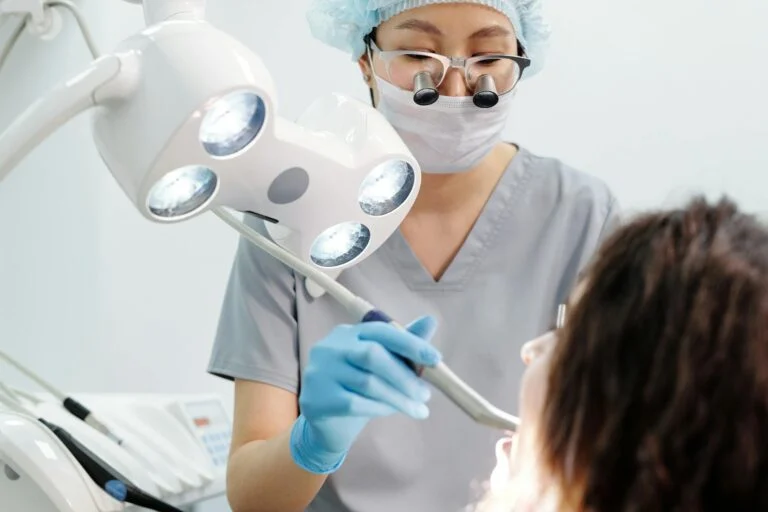
Tooth pain and gum pain can overlap. Dentists narrow the cause by checking location, triggers, gum changes, and x-rays before you book treatment.
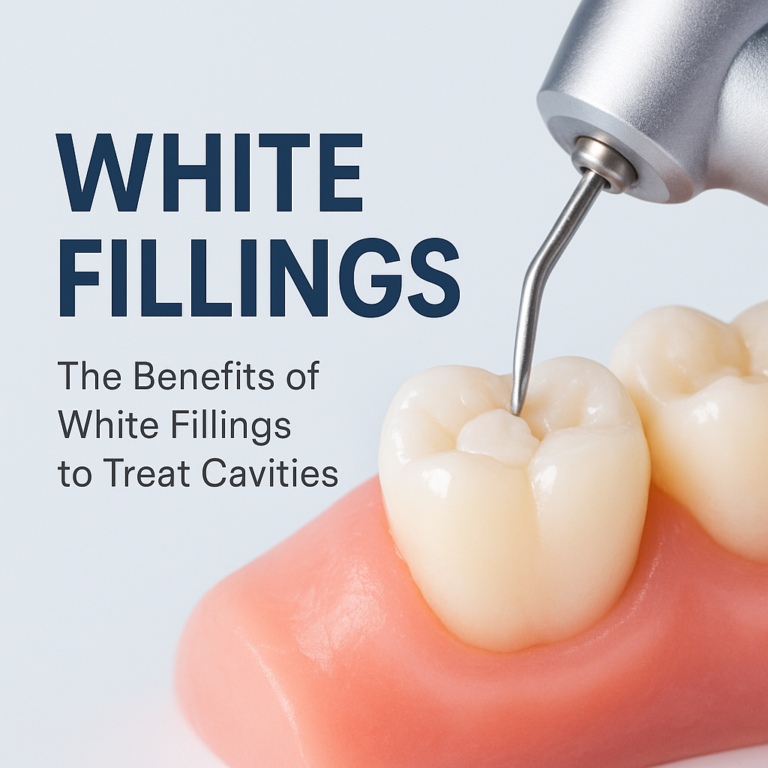
An old crown or large filling does not always need replacement. Dentists check for decay, leaks, cracks, looseness, and tooth support first.
Bleeding or swollen gums do not diagnose gum disease on their own. A dentist usually starts with a visual exam, probing, plaque checks, and history.

There is no one checkup schedule that fits every patient. For busy Hamilton adults, the best recall timing depends on your oral health, symptoms, and what your dentist finds at the exam.
A sore tooth does not automatically mean root canal treatment or extraction. Learn how dentists use exam findings and x-rays to decide what comes next.
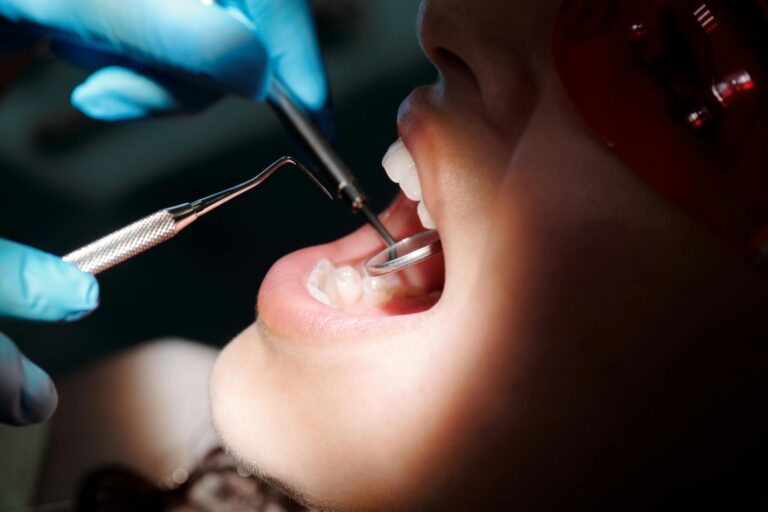
Tooth pain and gum pain can feel similar, but the pattern often gives dentists useful clues. Here is how the exam, bite checks, gum findings, and x-rays help narrow the source.
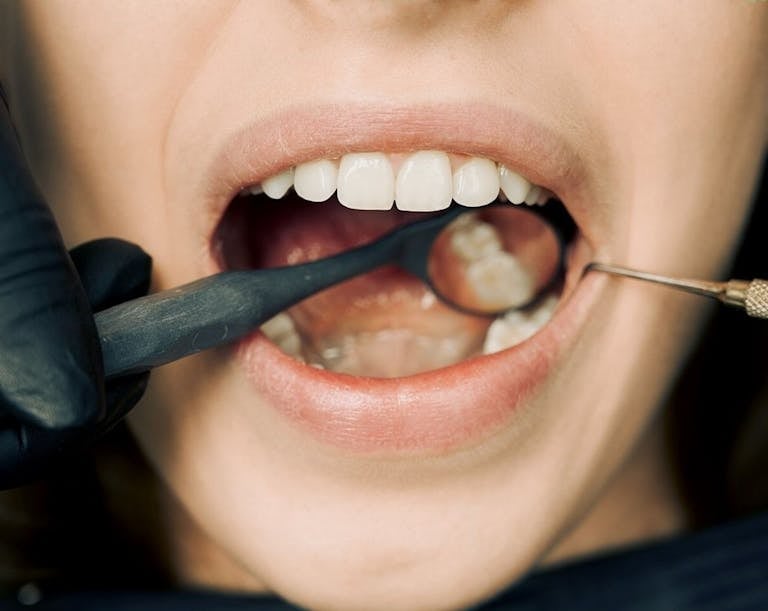
A return dental exam usually starts with your health history, symptom review, tooth and gum checks, oral cancer screening, and x-rays only when needed.

A CBCT scan can give your dentist a 3D view of teeth, bone, roots, and nearby anatomy, but it is not a routine add-on for every visit. Learn when a cone beam CT scan may be helpful, how it differs from regular dental X-rays, and what questions to ask before agreeing to 3D treatment planning.
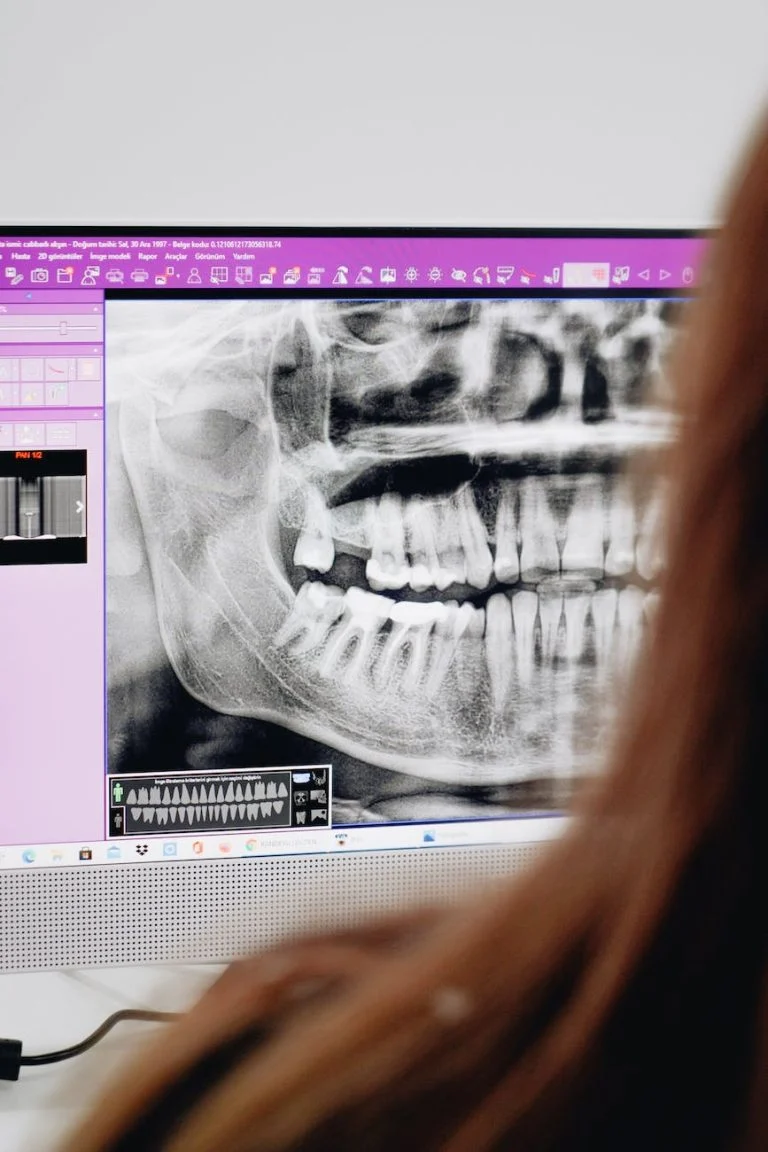
AI is becoming a bigger topic in Ontario dentistry, especially for reviewing dental X-rays. Here is what patients and families in Hamilton should know about where it may help, where the evidence is still limited, and why your dentist’s exam and judgment still matter most.
A CBCT scan provides three-dimensional images of your teeth and jaws to support accurate diagnosis and treatment planning. Learn when it is recommended, how it differs from regular dental X-rays, and what the evidence says about safety.
End of content
End of content