How Often Should Busy Adults Book a Dental Checkup?

Checkup timing should match your risk, not a fixed calendar. See why early gum disease can be easy to miss and how to plan one preventive visit.


Checkup timing should match your risk, not a fixed calendar. See why early gum disease can be easy to miss and how to plan one preventive visit.
There is no one checkup schedule that fits every patient. For busy Hamilton adults, the best recall timing depends on your oral health, symptoms, and what your dentist finds at the exam.

If you notice sensitivity, small notches near the gumline, or gums that seem to be shrinking, brushing too hard may be part of the problem—but usually not the whole story. Here is what can cause gum recession and tooth abrasion, what to change at home, and when to book a dental exam.

Toothpaste labels can be confusing. This practical guide explains which active ingredients to look for if your main goal is cavity prevention, sensitivity relief, or help with early gum irritation, plus when symptoms mean it is time for a dental exam.
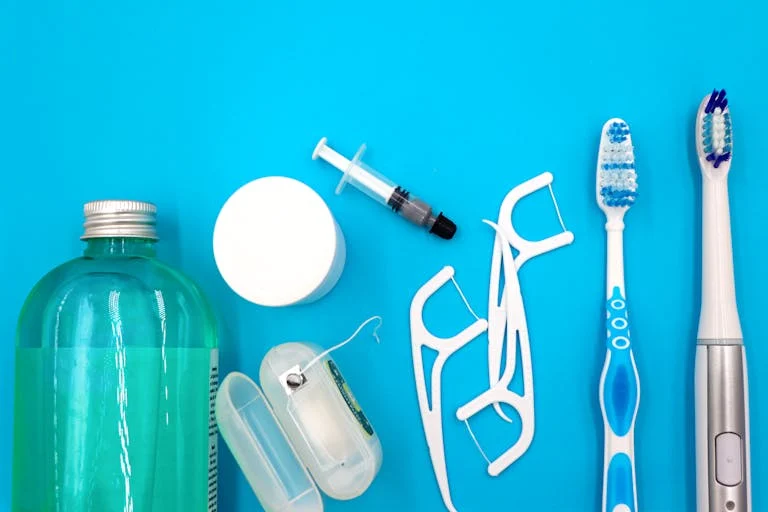
If you keep getting cavities even though you brush every day, it may be reasonable to ask your dentist whether prescription-strength 5,000 ppm fluoride toothpaste belongs in your prevention plan. Here is who it may help, what the evidence supports, and why it is not a do-it-yourself fix.
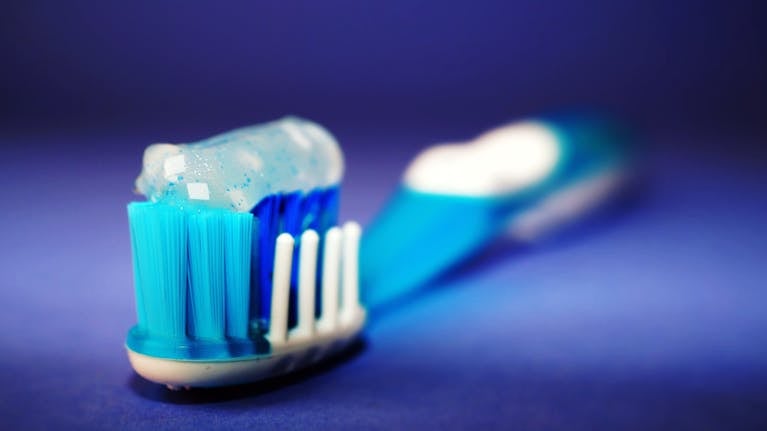
If gum recession or larger spaces are making floss less effective, a manual interdental brush may help clean those areas better. Here is how to tell when it may fit, when floss still matters, and how to choose the right size safely.
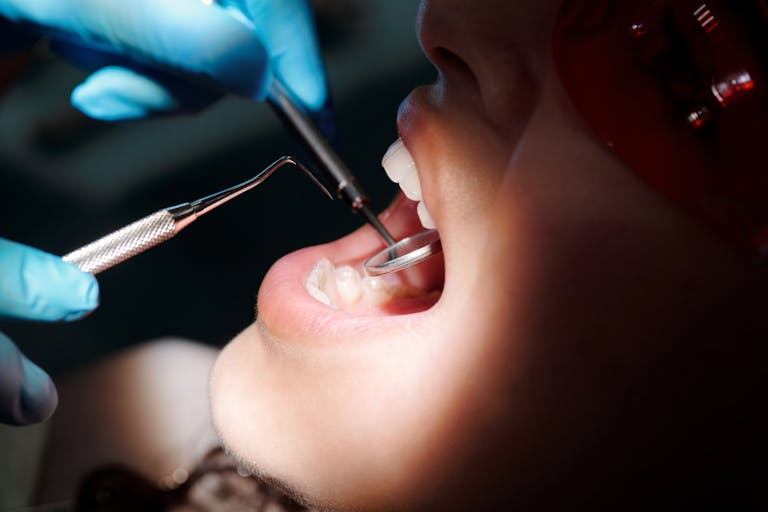
If string floss shreds, jams, or feels impossible, the problem may be fit rather than effort. Learn how interdental brushes, floss holders, dental tape, soft picks, and water flossers can help, and when a Hamilton dental exam can match the tool to your mouth.
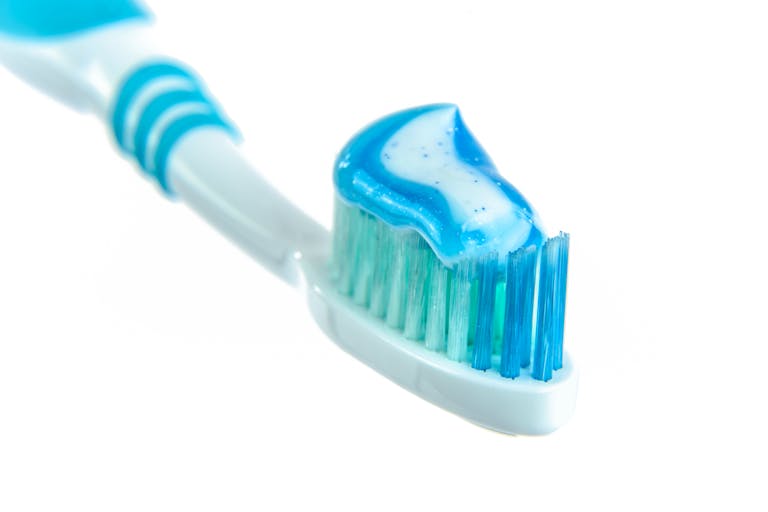
Sensitive gums and early wear usually need gentler brushing, not scrubbing harder. This guide shows the safest brush setup, how to clean along the gumline, what toothpaste to choose, and when lingering sensitivity should be checked.
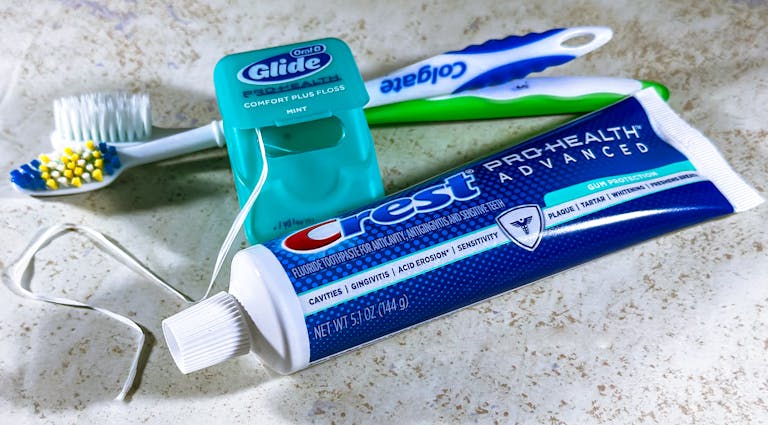
If your mouth feels dry often, your cavity risk may be higher than you think. Learn why saliva matters, which fluoride options have the strongest support, and when to ask a dentist, physician, or pharmacist to review dry mouth symptoms and medications.
Acid wear is different from cavities, and it is not always just about brushing too hard. Learn how citrus water, pop, sports drinks, reflux, and brushing timing can work together to wear enamel down, what early signs to watch for, and what practical steps can help protect teeth.

A 6-month dental checkup is common, but it is not a rule that fits every adult. In Ontario, recall timing should be based on your current risk, how stable your mouth has been over time, and what kind of preventive and restorative care you need to stay healthy.
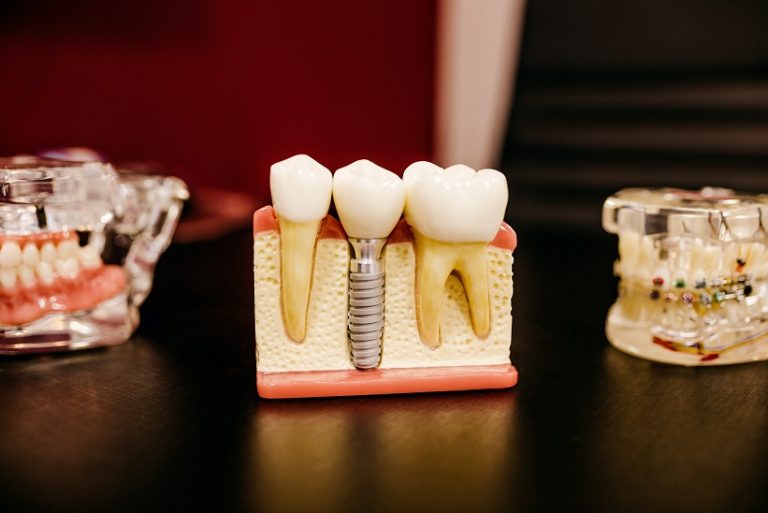
Dental implants rely on healthy supporting bone over time. Learn what affects bone support before and after treatment, what warning signs to watch for at home, and why daily cleaning plus regular maintenance visits matter.
End of content
End of content