
Toothache or gum pain? How dentists narrow the cause
Why tooth pain and gum pain can feel so similar
Pain in the mouth is not always easy to pinpoint. A problem in one tooth can feel like it is coming from the gums, and inflamed gums can make the whole area sore. Pain may also come from nearby structures such as the jaw joint, the sinus area, or another part of the mouth.
That is why dentists treat pain pattern as a clue, not a diagnosis.
The main clues dentists ask about
To narrow the source, a dentist will often ask:
- Where is the pain? One tooth, a general area, the upper or lower jaw, or the whole side.
- What brings it on? Cold, heat, chewing, biting, brushing, or nothing at all.
- Does it linger? A quick twinge can point somewhere different from pain that hangs around.
- Do the gums look different? Redness, swelling, bleeding, or tenderness can point more toward gum involvement.
- Has it changed recently? Pain that is getting worse or spreading deserves attention.
Patient-friendly guidance from the American Association of Endodontists notes that tooth-related pain often shows up with chewing pressure, hot or cold triggers, swelling, or lingering sensitivity. The National Institute of Dental and Craniofacial Research notes that gum disease can cause red, swollen, tender, or bleeding gums, and chewing may feel uncomfortable.
What the dental exam checks
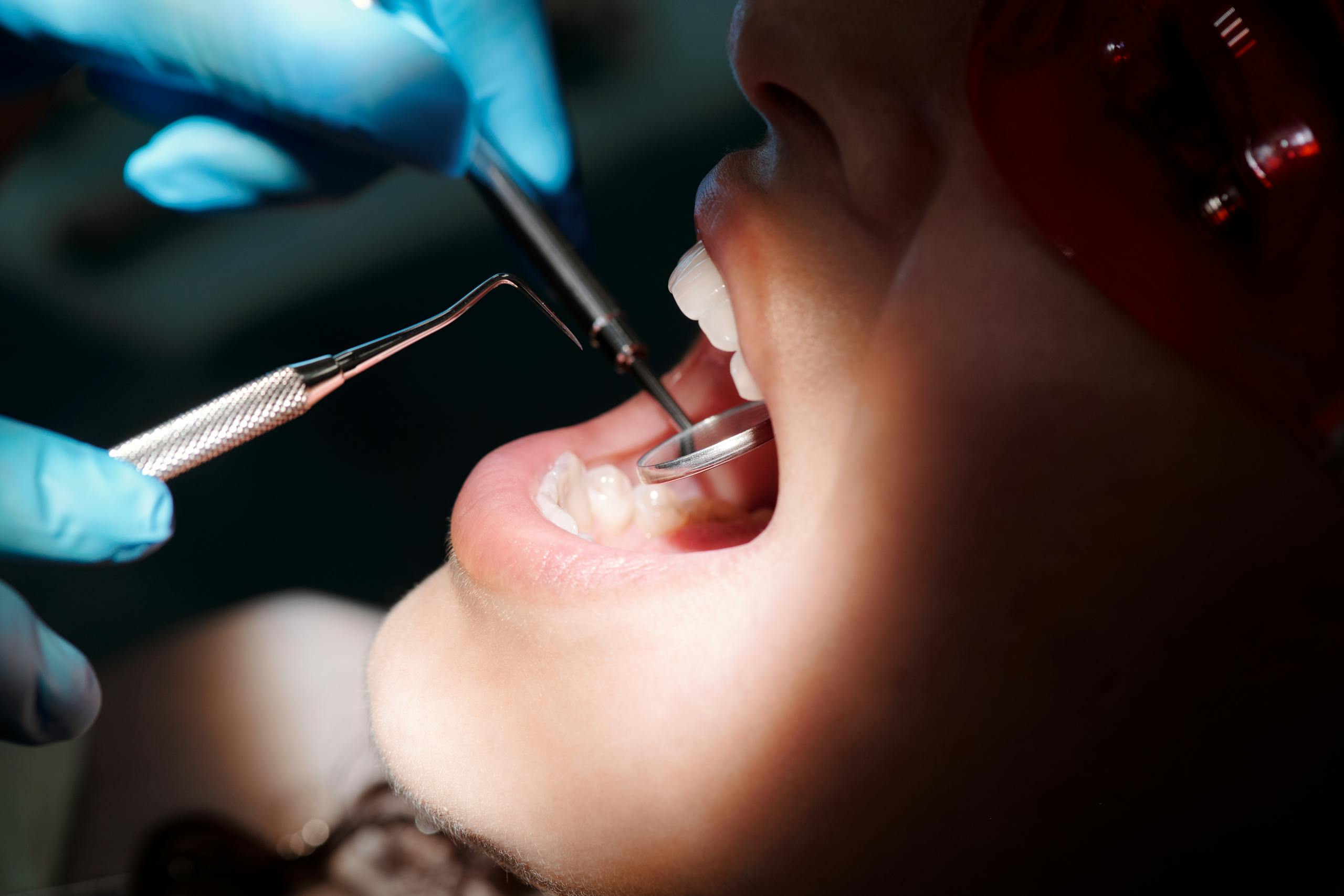
A good exam looks at the whole picture, not just the sore spot. That may include:
- a visual check of the teeth, gums, and nearby tissues
- gentle tapping on a tooth to see whether it is sensitive
- bite testing to see whether pressure on one tooth reproduces the pain
- gum measurements if gum disease is suspected
- a check for cracks, swelling, drainage, or obvious trapped debris
Clinicians also think about whether the pain could be referred from another structure, especially when the tooth and gum findings do not clearly match the symptom pattern.
How x-rays and bite tests help narrow the cause
X-rays can show problems that are hard to see during a regular exam, such as decay between teeth, infection around the root, bone loss around the gums, or other changes under the surface. Bite tests can help identify a tooth that hurts under pressure or suggest that a crack may be part of the problem.
But x-rays do not give the full answer by themselves. They support the history and the physical exam. Sometimes the source is still not obvious until the dentist puts all of the findings together.
When the symptoms need urgent dental attention
Some patterns should not wait for a routine visit. Seek prompt care if you have:
- severe or rapidly worsening pain
- swelling in the gums, face, or jaw
- fever
- trouble swallowing
- spreading facial swelling
These signs can mean the problem is moving beyond simple irritation and needs timely assessment.
A calm next step for Hamilton families
If you are unsure whether the pain is coming from a tooth, the gums, or something nearby, an exam is the safest way to narrow it down. In Hamilton, Excel Dental can help review your symptoms and decide whether you should be seen soon. If the situation feels urgent, use emergency dentistry so the problem can be assessed without delay.
Clear questions about location, triggers, gum changes, and timing often make the diagnosis much faster, and they help your dentist choose the next step with more confidence.
Key sources
- American Association of Endodontists — Tooth Pain
- National Institute of Dental and Craniofacial Research — Gum Disease
- MedlinePlus — Toothaches
- City of Hamilton: Dental Health
This article is for general education only and does not replace personalized advice, diagnosis, or treatment from a licensed dentist.