Implants and Restorative Dentistry Near North End Hamilton Ontario
Many people living or working near Hamilton’s North End are looking for reliable ways to replace missing or damaged teeth, relieve pain, and restore confidence in their smile. Modern implant and restorative care can often help you eat comfortably again, speak clearly, and feel proud of your teeth, often with solutions tailored to your specific needs and budget.
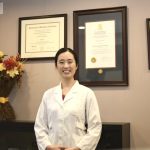
Welcome, I’m Dr. Susan Pan in Hamilton
I am Dr. Susan Pan, and I care deeply about helping Hamilton-area patients feel comfortable with their dental care choices. At Excel Dental, located at 49 East Avenue South in Hamilton, I focus on practical, down-to-earth solutions that restore function and improve oral health, not just appearance.
Implant and restorative treatments are not “one size fits all.” My goal is to understand your concerns, explain your options in plain language, and help you choose a path that fits your health, lifestyle, and financial situation.
What Is Restorative Dentistry?
Restorative dentistry includes treatments that repair or replace damaged, decayed, or missing teeth. This can range from simple fillings to more complex treatments like dental implants, crowns, and bridges.
In my practice, I look at restorative care in two ways:
- Function: Can you chew, speak, and clean your teeth properly?
- Comfort and confidence: Are you free of pain, and do you feel comfortable smiling and interacting with others?
When both of these are addressed, patients often notice an improvement not only in their oral health, but in their overall quality of life.
Why Patients Near North End Hamilton Seek Dental Implants
Patients from the North End and downtown Hamilton often come to see me after:
- Losing a tooth in an accident
- Needing an extraction due to infection or deep decay
- Struggling with loose or uncomfortable dentures
- Feeling self-conscious about gaps in their smile
Dental implants are a popular solution because they are designed to act like natural tooth roots. Once an implant is securely placed in the jawbone and restored with a crown, bridge, or denture attachment, it can help:
- Stabilize your bite
- Prevent nearby teeth from shifting
- Maintain jawbone volume in the area of the missing tooth
I always take time upfront to learn what is bothering you most. For some patients, it is appearance. For others, it is pain or the inability to chew certain foods. That helps me tailor implant options to your priorities.
Types of Implants and Restorations I Offer
There are several ways I use implants and other restorative treatments to rebuild smiles:
- Single-tooth implants: Replace one missing tooth with a single implant and custom crown.
- Implant-supported bridges: Replace several missing teeth in a row using a few implants to support a longer restoration.
- Implant-retained dentures: Use a small number of implants to stabilize a full or partial denture so it stays in place more securely than traditional removable dentures.
- Crowns and bridges (non-implant): When the tooth root is still healthy, I can often restore it with a crown. When a few teeth are missing in a row, a traditional bridge may be appropriate.
- Tooth-coloured fillings and inlays/onlays: For smaller or moderate areas of decay or fracture, I use strong, natural-looking materials to restore tooth structure.
Before recommending any of these, I complete a full examination and often imaging so we can discuss what will work best for your mouth, health, and long-term goals.
The Implant Process at Excel Dental
Many patients in Hamilton are surprised to learn that implant treatment is usually more comfortable and straightforward than they expected. Here is how I typically approach it:
- Consultation and planning: I take a detailed health history, examine your mouth, and review X-rays or 3D imaging. This tells me whether your jawbone is strong enough and if gums and surrounding teeth are healthy.
- Preparation (if needed): In some cases, I recommend treatments such as deep cleaning, extractions, or bone grafting first to create a stable foundation for the implant.
- Implant placement: A small titanium post is gently placed into the jawbone under local anesthesia. Most patients describe pressure more than pain during the procedure.
- Healing period: The bone gradually fuses with the implant in a process called integration. This can take several weeks to a few months, depending on the case.
- Final restoration: Once healing is complete, I attach a custom-made crown, bridge, or denture to the implant. The goal is a natural look and a comfortable, stable bite.
Throughout the process, I keep you informed, monitor your healing, and adjust the plan if needed so you feel supported at every step.
Comparing Implants, Bridges, and Dentures
Each option has different advantages, and what is “best” depends on your situation.
Dental implants:
- Help preserve jawbone volume
- Do not rely on neighbouring teeth for support
- Can feel and function very much like natural teeth
- Require enough healthy bone and good oral hygiene
Traditional bridges:
- Replace missing teeth using crowns on the teeth beside the gap
- Usually faster and often lower initial cost than implants
- Require reshaping the supporting teeth, which may be a drawback if those teeth are otherwise healthy
Removable dentures:
- Can replace many or all teeth at once
- Often the lowest upfront cost
- May feel less stable, can affect taste and speech, and may lead to bone loss over time where teeth are missing
I walk patients through these trade-offs with clear cost and maintenance information. My role is to explain, clarify, and support, not to pressure you into a particular choice.
Comfort, Anxiety, and Your Experience in the Chair
Many people from the North End and surrounding Hamilton neighbourhoods tell me they have put off care because of anxiety or a previous bad experience. I take that very seriously.
In my office:
- I explain each step before I begin, using plain language.
- I work slowly and gently, and I invite you to signal if you need a pause.
- Local anesthesia is carefully administered so you stay comfortable.
- For more complex treatments or very nervous patients, I can discuss additional comfort options.
I find that when patients understand what is happening and feel listened to, fear often starts to ease. Restorative and implant care should not feel rushed or impersonal.
Cost, Insurance, and Payment Considerations
Implant and restorative treatments are an investment, and cost is often one of the first concerns patients raise with me. I encourage open, honest discussion about finances.
In my practice:
- I provide written estimates and help you understand what is and is not likely to be covered by your insurance plan.
- If you have dental benefits through work or a private plan, my team can help submit estimates so you know what to expect.
- I am transparent about alternative treatment options that may reduce cost, as long as they remain safe and appropriate for your oral health.
I would rather work together to find a realistic, staged treatment plan than see you avoid needed care because of uncertainty about fees.
Caring for Implants and Restorations Long-Term
Once your implants or other restorations are in place, good daily care and regular checkups are essential.
I usually recommend:
- Brushing twice a day with a soft toothbrush and fluoride toothpaste
- Cleaning between teeth and around implants with floss, interdental brushes, or water flossers
- Regular professional cleanings to remove plaque and tartar in hard-to-reach areas
- Wearing a nightguard if you clench or grind your teeth
Implants and restorations cannot get cavities in the same way natural teeth do, but the surrounding gums and bone can still become inflamed or infected if plaque builds up. With proper care, these treatments can often last many years.
Who Is a Good Candidate for Implants and Restorative Care?
Most healthy adults with missing or damaged teeth can benefit from some form of restorative dentistry, and many are good candidates for implants. I look at:
- General health and medications
- Smoking or vaping habits
- Current gum health
- Bone volume and density in the jaw
- Ability to maintain good oral hygiene
If you are not an ideal candidate for implants right away, there may be ways to improve your suitability through gum treatment, bone grafting, or lifestyle changes. If implants are not appropriate at all, we can look at other durable options like bridges or dentures.
Frequently Asked Questions
Will getting an implant hurt?
I use effective local anesthesia so you should feel pressure but not sharp pain during implant placement. Afterward, most patients report mild to moderate soreness for a few days, which is usually manageable with over-the-counter pain relief and careful home care.
How long does the whole implant process take?
In many cases, it ranges from 3 to 6 months from initial placement to final crown or denture attachment. Healing times vary depending on your health, bone quality, and whether additional procedures like grafting are needed. I review expected timelines with you before we start.
Are implants safe for older adults?
Age alone is not a barrier. I have treated many older patients successfully. I pay close attention to medical conditions, medications, and bone health to make sure implants are a safe and sensible option for you.
What if I am missing several teeth in a row?
I may recommend an implant-supported bridge or an implant-retained partial denture rather than one implant for every tooth. This can improve stability and function while controlling cost. I show you models and imaging so you can see how each option would work in your mouth.
Can I still get implants if I smoke?
Smoking increases the risk of complications and implant failure. I am honest about these risks and strongly encourage cutting down or quitting before treatment. If you smoke, I will discuss this openly and help you understand how it affects healing and long-term success.
How long do crowns, bridges, and implants last?
With good care, implants can often last many years, and in some cases decades. Crowns and bridges typically last 10 to 15 years or more, though this depends on habits like grinding, diet, and hygiene. I recommend regular checkups so I can spot and address small issues early.
Is there a high risk of implant failure?
Implants have a very good success rate when placed in healthy bone and cared for properly. I screen carefully for risk factors and design the treatment plan to give each implant the best chance of lasting success. If problems arise, I address them quickly and explain your options.
Will my new teeth look natural?
Appearance is very important to many of my patients. I work with quality dental labs and take time to match the colour, shape, and size of your restorations to your face and other teeth. My aim is for your smile to look natural, not “fake” or overly bright.
What if I am nervous about the treatment?
You are not alone. Many patients come in feeling anxious. I encourage you to share your worries with me. I take extra time to explain each step and move at a pace that feels manageable for you, and we can talk about ways to make the experience more comfortable.
Can I spread my treatment out over time?
Yes, in many cases I can plan treatment in stages. For example, we may address pain or infection first, then move on to implants or other restorations later. I explain which steps are more time-sensitive and which can reasonably wait so you can plan around your budget and schedule.
More Information on Dental Care in Ontario
If you would like to learn more about dental care standards and options in Ontario, I recommend visiting the Ontario Dental Association at https://www.oda.ca and the Government of Ontario’s dental care information at https://www.ontario.ca/page/dental-care. For broader educational resources, the Canadian Dental Association at https://www.cda-adc.ca offers patient-friendly articles on many dental topics. These sites can help you better understand your choices and feel more confident discussing them during your visit.
If you live or work near Hamilton’s North End and are wondering what is possible for your teeth, I invite you to call my office at 905-529-2164 so we can talk about your concerns and explore practical solutions together.