Build Strong Dental Habits for Stinson Families Near Hamilton
Build Strong Dental Habits for Stinson Families Near Hamilton
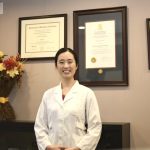
I am Dr. Cindy Li, and I enjoy helping Hamilton families feel confident about their dental health. At Excel Dental, 49 East Avenue South in Hamilton, I work with parents and kids from Stinson and surrounding neighborhoods to turn everyday routines into habits that protect teeth for life. My goal is to make practical, evidence based advice simple to follow at home.
Daily Home Care
Good dental habits begin with consistent daily care. I encourage brushing twice a day with a soft bristled brush and a fluoride toothpaste appropriate for your child or adult. Short, gentle strokes and paying attention to the gum line matter more than heavy scrubbing. I demonstrate technique at the office and help families practice until it feels natural.
Flossing once a day removes the food and plaque that brushing misses. For young children I recommend flossing for them until they have the dexterity to do it well themselves, often around age 8 to 10. In my experience, starting flossing as part of the nightly routine makes it a lasting habit.
Nutrition and Oral Health
What we eat and drink shapes oral health as much as daily care. Frequent snacking on sugary or sticky foods increases the risk of cavities, so I suggest timing snacks between meals and offering water or milk rather than juice or flavored drinks. If children do have sweets, encourage rinsing with water or brushing soon after to reduce acid exposure.
I also talk with families about tooth friendly choices like raw vegetables, cheese, and plain yogurt. These foods stimulate saliva flow and help neutralize acids. Simple swaps and small changes at home often lead to big differences over time.
Preventive Visits and Cleanings
Regular dental visits are the foundation of preventive care. I recommend checkups every six months for most patients, though some children or adults with higher risk may need more frequent visits. During exams we assess growth, check for early signs of decay, and apply preventive treatments when appropriate.
Professional cleanings remove hardened deposits and polish teeth so that at-home care is more effective. I take time to explain findings to families, demonstrate home care improvements, and set realistic goals. Prevention is always more comfortable and cost effective than treating problems after they start.
Teaching Children Healthy Habits
Working with kids requires patience and creativity. I use play, timers, and rewards to make brushing fun and predictable. Singing a two minute song or using a sand timer helps children learn how long to brush and builds consistency.
Modeling is powerful. When parents brush alongside children, it reinforces that oral care is part of daily life. I also advise establishing routines linked to morning and bedtime rituals so habits stick when schedules change.
Handling Dental Emergencies
Accidents happen. For a knocked out permanent tooth, try to put it back in the socket without touching the root or keep it in milk and get to the office immediately. For a cracked or chipped tooth, rinse the mouth and see us as soon as possible so we can evaluate pain and repair the tooth if needed.
For sudden tooth pain, start with rinsing and a cold compress to reduce swelling and call our office. Pain can come from decay, infection, or bite problems, and early assessment lets me recommend the least invasive treatment.
FAQ
How often should my child see the dentist?
I recommend starting dental visits around your child’s first birthday and typically continuing every six months. If your child has special risk factors I may suggest more frequent checks.
When should my child start using fluoride toothpaste?
Use a smear the size of a grain of rice for children under 3 and a pea sized amount from age 3 onward. Fluoride helps prevent cavities, and I review amounts with parents at visits.
Are electric toothbrushes better than manual brushes?
Many patients find electric brushes easier and more effective at removing plaque, especially children and adults with limited dexterity. The most important factor is consistent, correct use.
When should my child start flossing alone?
Children often need parental help until about age 8 to 10. I recommend doing the flossing for them nightly until they can demonstrate careful flossing themselves.
What can I do about sensitive teeth?
Sensitivity often responds to a desensitizing toothpaste, reducing acidic foods, and careful brushing with a soft brush. If sensitivity persists I will check for decay, gum recession, or cracked teeth.
Are dental sealants safe and useful?
Yes. Sealants are a protective coating applied to the chewing surfaces of molars to prevent decay. I recommend them for children and teens with deep pits and grooves in their teeth.
How can I help stop thumb sucking?
Positive reinforcement and gentle reminders work best for most children. For persistent habits that affect tooth alignment, I discuss behavioral strategies and, when necessary, protective appliances.
What should I do if my child swallows a tooth filling or crown?
Most small objects pass through the digestive tract without issue, but contact our office and your pediatrician for guidance. If the child shows any breathing difficulty, seek emergency care immediately.
Does mouthwash replace brushing?
No. Mouthwash can be a useful adjunct, especially for older children and adults, but it does not remove plaque or replace brushing and flossing.
How do I help my child who is anxious about the dentist?
I spend time building trust, use gentle language, and offer small steps to ease children into care. I find that explaining tools and letting children touch safe instruments reduces fear.
More Information
For reliable, Canadian-based guidance I often direct families to the Ontario Dental Association (oda.ca) for patient resources and preventive care tips, and to the Canadian Dental Association (cda-adc.ca) for national recommendations on fluoride, oral health screenings, and family dental care. The Government of Ontario site (ontario.ca) also offers useful public health information about oral health programs and access to care.
I look forward to helping your family build and maintain healthy dental habits. Call 905-529-2164 to schedule an appointment or ask a question.