Affordable Dental Implants Near Ainslie Wood for Confident Hamilton Smiles
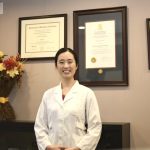
I am Dr. Cindy Li, and I enjoy helping Hamilton families feel confident about their smiles with implant solutions that fit both their health needs and their budgets. At Excel Dental on East Avenue South, I regularly welcome patients from Ainslie Wood and across the city who are looking for a long-lasting, natural-looking way to replace missing teeth without unnecessary stress or financial surprises.
Why I Recommend Dental Implants for Missing Teeth
When a patient comes to see me with a missing tooth, I often explain that implants are the closest thing we have to putting a natural tooth back. A dental implant replaces both the root and the visible part of the tooth, which helps keep your bite strong and your jawbone supported. That means better chewing, clearer speech, and a smile that looks and feels like your own.
Many Hamilton patients are surprised by how comfortable implants feel once healing is complete. Unlike removable options, implants stay in place, so you can speak and eat without worrying that something will slip or rub. Over the years, I have seen patients who were once embarrassed to smile become more social and confident after restoring gaps with implants.
Oral health also benefits. A missing tooth can cause neighbouring teeth to drift, which may change your bite and increase wear. By filling that space with an implant, I can help maintain proper spacing and make it easier for you to keep the area clean, reducing the risk of future dental problems.
What Makes Implant Treatment at Excel Dental Different
At Excel Dental, I focus on making implant treatment as straightforward and comfortable as possible. That begins with listening. During your first visit, I want to understand not just where teeth are missing, but how that affects your daily life, from your favourite foods to how you feel about your smile.
I combine digital imaging, 3D scans, and a detailed clinical exam to assess your bone, gums, and bite. This allows me to plan the placement of implants in a way that supports both long-term health and a natural look. Because each mouth is unique, I customize the timing and type of restoration, whether you need a single implant, multiple implants, or implant support for a denture.
Comfort is a priority. I take time to explain every step, check in frequently during procedures, and offer gentle local anesthesia and appropriate sedation options when needed. My goal is to keep you informed and relaxed so that the process feels manageable, even if you are nervous about dental treatment.
Are Dental Implants Really Affordable Near Ainslie Wood?
“Affordable” means different things to different families, so I try to be clear and open about costs from the beginning. Many patients from Ainslie Wood find that travelling a short distance to Excel Dental gives them access to high-quality implant care at a fair and predictable fee. During your consultation, I provide a written estimate and walk through each part of the treatment so you know exactly what to expect.
The total cost depends on several factors: how many implants are needed, whether bone grafting is required, and the type of crown or restoration used. To make treatment more accessible, I help patients explore phased treatment plans, use available dental insurance benefits, and discuss payment options that fit their budgets. In many cases, spreading out steps over time makes implants more manageable financially without compromising quality.
It also helps to consider the long-term picture. Implants are designed as a durable, long-lasting solution. When cared for properly, they often outlast other tooth replacement options, which can reduce the need for repeated repairs or replacements over the years. Many of my patients feel that the initial investment pays off in comfort, function, and confidence.
What to Expect During Your Implant Journey
The first step is a thorough consultation. I examine your mouth, review your health history, and take digital X-rays and, when appropriate, 3D images to see the underlying bone structure. I then sit with you and discuss your options in plain language so you can decide whether implants are right for you.
If you choose to proceed, the implant is placed gently into the jawbone under local anesthesia, and you go home the same day. Most patients from Ainslie Wood and other Hamilton neighbourhoods are surprised by how manageable the post-operative discomfort is, usually controlled with over-the-counter medication and simple home care instructions.
Over the next few months, the implant fuses with your bone in a process called osseointegration. During this healing period, I monitor your progress and, if needed, provide a temporary solution so you are not left with an obvious gap. Once healing is complete, I attach a custom crown or restoration that is shaped and coloured to match your natural teeth, creating a seamless result.
Throughout the journey, communication is key. I encourage my patients to ask questions at every stage and to call if anything feels unusual. My team and I stay accessible so that you never feel alone in the process.
Long-Term Care for Your Dental Implants
One of the things I like most about implants is how simple the daily care routine can be. In many ways, you look after them the same way you care for natural teeth: brush twice a day, clean carefully around the gumline, and floss daily or use recommended interdental tools. I will show you techniques that work best around your specific implant restoration.
Regular professional care is essential. I typically recommend checkups and cleanings at least twice a year, during which I assess the health of the gums around your implant and take periodic X-rays to confirm that the bone remains stable. Early detection of any changes allows us to address concerns before they become serious.
Lifestyle matters too. Not smoking, managing conditions like diabetes, and avoiding habits such as grinding or clenching can significantly improve the long-term success of your implants. If I suspect that grinding is an issue, I may recommend a custom nightguard to protect your teeth and implants while you sleep.
With proper home care and regular visits, many implants remain healthy and functional for decades. My goal is always to help you protect your investment and enjoy a strong, comfortable bite for as long as possible.
Who Is a Good Candidate for Dental Implants?
Most adults in reasonable general health and with healthy gums are potential candidates for implants. When I evaluate someone from Ainslie Wood or any Hamilton neighbourhood, I look at bone quality, gum health, medical history, and oral hygiene habits to determine whether implants are appropriate and what preparation might be needed.
Common issues such as bone loss do not automatically rule out treatment. In many cases, bone grafting or other supportive procedures can rebuild the area enough to support an implant securely. I discuss all of this in clear, simple terms, including the added time and cost, so you can decide whether you wish to proceed.
I am especially careful when planning implants for patients with conditions that affect healing, such as uncontrolled diabetes or heavy smoking. In these situations, I may coordinate with your family physician or specialist to optimize your health first. My goal is not just to place an implant, but to give it the best chance of long-term success.
Age by itself is rarely the limiting factor. I have placed implants for younger adults missing teeth from accidents as well as older patients who want to stabilize a loose denture or regain chewing strength. The deciding factor is overall health and commitment to good oral care.
Frequently Asked Questions About Dental Implants
How long do dental implants last?
With good home care and regular dental visits, implants are designed to last many years and often decades. In my practice, the patients who get the best longevity are those who maintain excellent oral hygiene, do not smoke, and attend their checkups consistently so I can monitor the health of the gums and bone.
Are dental implants painful?
During the procedure, I use effective local anesthesia so you should feel pressure but not pain. Afterward, most patients describe the discomfort as mild to moderate for a few days. Over-the-counter pain relievers, cold compresses, and following my post-operative instructions usually keep things very manageable.
How much do dental implants typically cost in Hamilton?
The cost can vary depending on how many implants you need, whether any tooth extractions or bone grafts are required, and the type of restoration chosen. At your consultation, I provide a personalized estimate and help you review your insurance coverage and payment options so you understand the investment before we begin.
Can my insurance help cover implants?
Some dental plans contribute to portions of implant treatment, such as the crown or related procedures, while others offer limited or no coverage. My team and I can help you submit pre-determinations and interpret the responses, so you know what your plan will cover and what will be out-of-pocket.
How long does the whole implant process take?
From initial placement to final crown, many cases take several months. The implant needs time to fuse securely with the bone, which typically takes about 3 to 6 months. In more complex situations or when bone grafting is required, the timeline can be longer. During your consultation, I personalize a timeline based on your specific needs.
What if I am nervous or afraid of dental treatment?
Dental anxiety is very common, and I take it seriously. I move at your pace, explain what I am doing, and offer comfort options such as gentle anesthesia, calming techniques, and, where appropriate, sedation. Many anxious patients tell me that the experience was easier than they expected once they felt heard and supported.
Can I get implants if I wear dentures now?
Often yes. Many denture-wearing patients from Ainslie Wood and beyond choose implants to secure a loose lower denture or to replace a complete denture with a more fixed option. I will assess your bone and gums, review your expectations, and outline whether implant-supported solutions are a good fit for you.
Will my new implant look natural?
A natural appearance is one of my top priorities. I carefully match the shade, shape, and size of your crown to your neighbouring teeth, and I pay attention to the gumline so everything blends nicely when you smile. Friends and coworkers often cannot tell which tooth is the implant once healing is complete.
What can I eat after getting an implant?
Right after surgery, I recommend soft foods that do not require much chewing on the implant site. As healing progresses, you can gradually return to a normal diet. Once the implant is fully integrated and restored, you should be able to enjoy most of the foods you like, though I still suggest avoiding habits like chewing ice or very hard candies.
Am I too old for dental implants?
There is no strict upper age limit. I look more at overall health, bone quality, and healing capacity than at the number on your birthday cake. Many of my older patients choose implants so they can eat comfortably and avoid the frustration of loose or uncomfortable removable options.
What happens if I do not replace a missing tooth?
Leaving a space can allow neighbouring teeth to drift, which may change your bite and make cleaning more difficult. Over time, the bone in the empty area can shrink, and that can affect the shape of your jaw and face. Replacing the tooth with an implant helps preserve your bite and supports the surrounding bone.
How do I know if implants are better for me than a bridge or denture?
Each option has its place. Implants are fixed and help protect bone, while bridges and dentures can be suitable when implants are not recommended or not financially comfortable. During your visit, I explain all options, including benefits, limitations, and costs, so you can choose what fits your health, lifestyle, and budget.
More Information About Dental Implants and Oral Health
If you would like to read more about implants and general dental health, I often recommend starting with trusted Canadian resources. The Canadian Dental Association at cda-adc.ca offers clear information on dental treatments and preventive care, and the Ontario Dental Association at oda.ca provides patient-friendly guides on topics like tooth replacement options and maintaining oral health. For broader health information, including coverage programs and public dental initiatives, the Government of Ontario site at ontario.ca is also very helpful.
If you are considering dental implants and live in or near Ainslie Wood, I would be glad to meet you. You can call my office at 905-529-2164 to book a consultation at Excel Dental, 49 East Avenue South, Hamilton, and we can explore together whether implants are the right choice for your smile.