Several Findings at Your Checkup: What Needs Care First?

If a dental exam finds several concerns, ask which needs attention first, which might be monitored, and when each finding should be checked again.


If a dental exam finds several concerns, ask which needs attention first, which might be monitored, and when each finding should be checked again.

A family can share healthy habits without sharing one dental care plan. Learn which changes in childhood, adulthood and later life are worth discussing at a checkup.

Checkup timing should match your risk, not a fixed calendar. See why early gum disease can be easy to miss and how to plan one preventive visit.
A back-to-school dental planning guide for Hamilton families: when to book, how to fit visits around school and work, and when to call sooner.
There is no one checkup schedule that fits every patient. For busy Hamilton adults, the best recall timing depends on your oral health, symptoms, and what your dentist finds at the exam.
A family calendar can help you book dental checkups before school, work, and activities crowd them out. Recall timing should be risk-based, not one-size-fits-all.

Dry mouth can raise cavity risk. Learn practical prevention steps, when fluoride helps, and what to ask before changing any prescription.
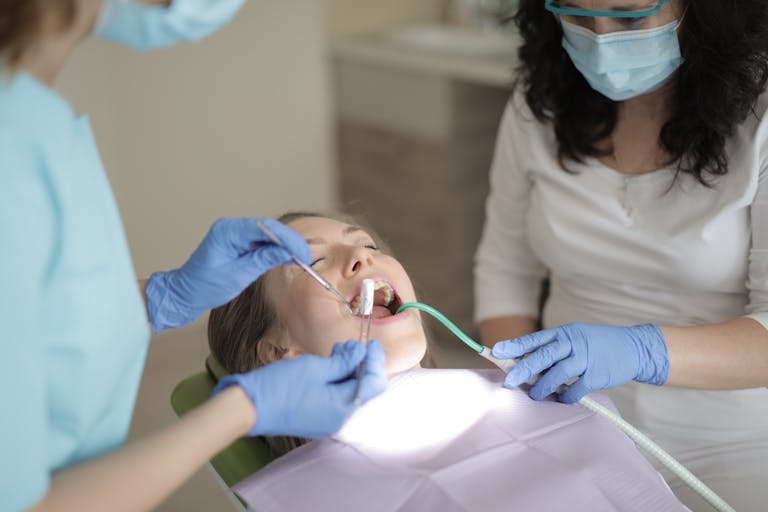
Six months is a common starting point, but family dental checkups should be based on age, oral-health risk, and what the dentist finds.
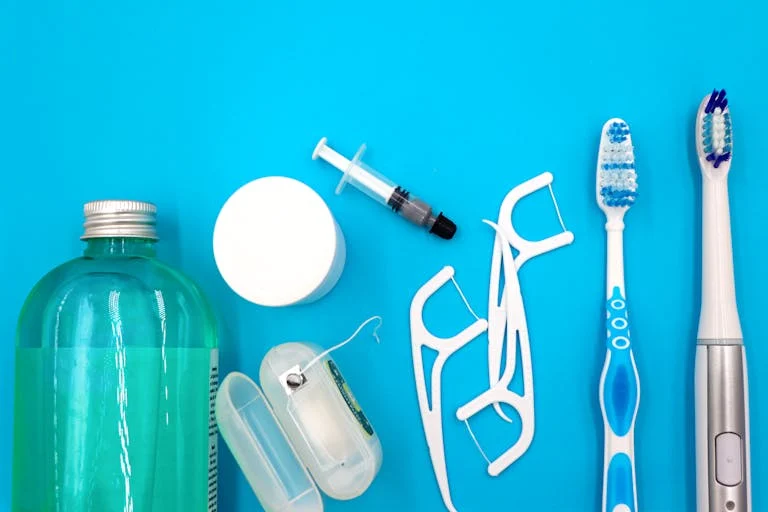
If you keep getting cavities even though you brush every day, it may be reasonable to ask your dentist whether prescription-strength 5,000 ppm fluoride toothpaste belongs in your prevention plan. Here is who it may help, what the evidence supports, and why it is not a do-it-yourself fix.

Gum disease and heart disease are linked in research, but that does not mean one directly causes the other. This article explains what periodontitis is, what the evidence really shows, what it does not prove, and what patients can do now to protect both oral and overall health.
Acid wear is different from cavities, and it is not always just about brushing too hard. Learn how citrus water, pop, sports drinks, reflux, and brushing timing can work together to wear enamel down, what early signs to watch for, and what practical steps can help protect teeth.
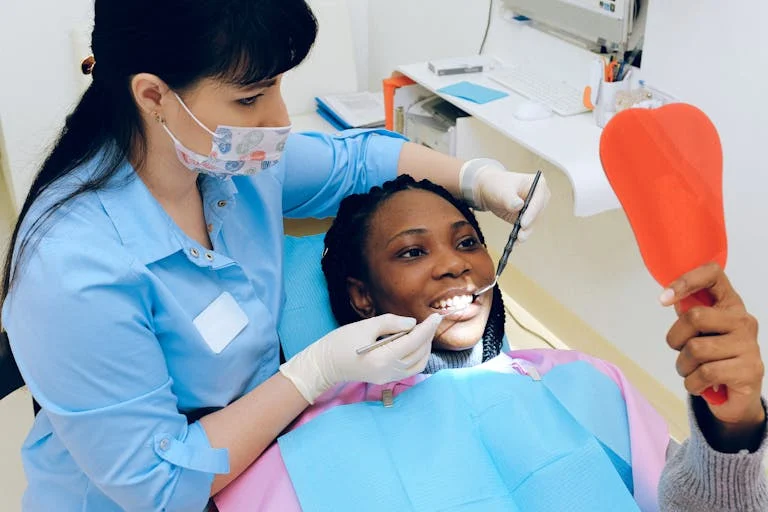
A 6-month dental checkup is common, but it is not a rule that fits every adult. In Ontario, recall timing should be based on your current risk, how stable your mouth has been over time, and what kind of preventive and restorative care you need to stay healthy.
End of content
End of content