CDCP and Missing Teeth: What’s Covered for Dentures, Bridges, and Implants?

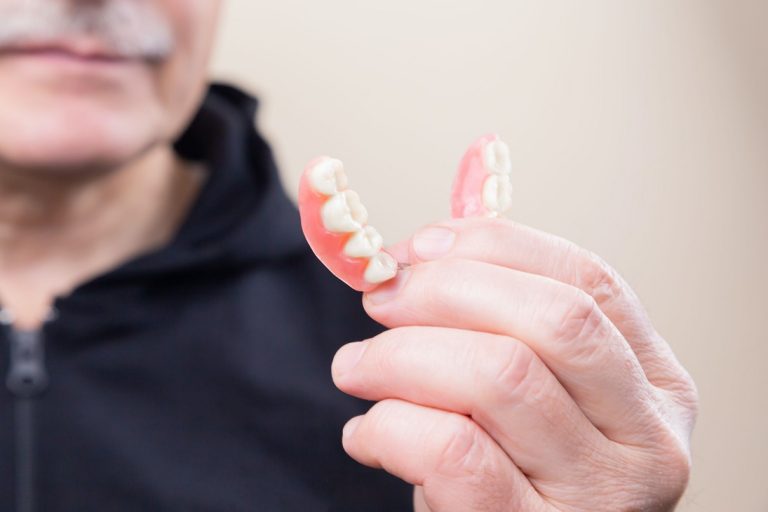
The CDCP may help pay for some removable dentures, but bridges and implants are excluded. Check preauthorization, participation, and any balance owing.

If you notice sensitivity, small notches near the gumline, or gums that seem to be shrinking, brushing too hard may be part of the problem—but usually not the whole story. Here is what can cause gum recession and tooth abrasion, what to change at home, and when to book a dental exam.
A swollen face from a tooth problem may need same-day attention. Learn which red flags mean emergency care now, when urgent dental care may be appropriate, and what Hamilton-area families should do next.
A very deep cavity does not always mean an immediate root canal. In carefully selected permanent teeth, selective caries removal and vital pulp therapy may help save more natural tooth structure. Here is how dentists decide when that may be reasonable, and when root canal treatment is still the better choice.
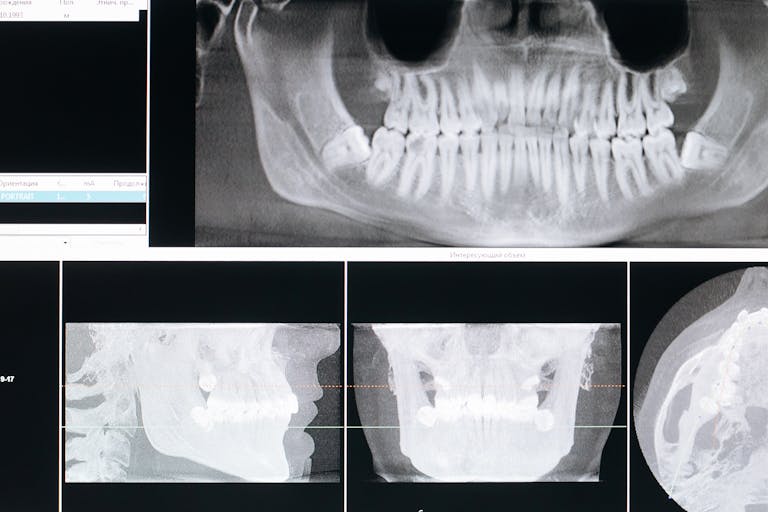
A cone-beam CT scan can add useful detail for some complex dental decisions, but it is not a routine replacement for standard X-rays. Learn when CBCT may help with implants, selected root canal problems, wisdom teeth, and other treatment-planning questions.
Toothpaste labels can be confusing. This practical guide explains which active ingredients to look for if your main goal is cavity prevention, sensitivity relief, or help with early gum irritation, plus when symptoms mean it is time for a dental exam.
If you keep getting cavities even though you brush every day, it may be reasonable to ask your dentist whether prescription-strength 5,000 ppm fluoride toothpaste belongs in your prevention plan. Here is who it may help, what the evidence supports, and why it is not a do-it-yourself fix.
Socket preservation is sometimes considered at the same visit as a tooth extraction when a future implant, bridge, or denture is likely. Here is what the procedure means, why the jaw ridge changes after extraction, where the evidence is helpful, and what to ask before the tooth is removed.
Water flossers can make home care easier when braces, bridges, or implants make string floss awkward to use. Here is where they fit, what the evidence suggests, and how to use one safely without overdoing the pressure.
If gum recession or larger spaces are making floss less effective, a manual interdental brush may help clean those areas better. Here is how to tell when it may fit, when floss still matters, and how to choose the right size safely.
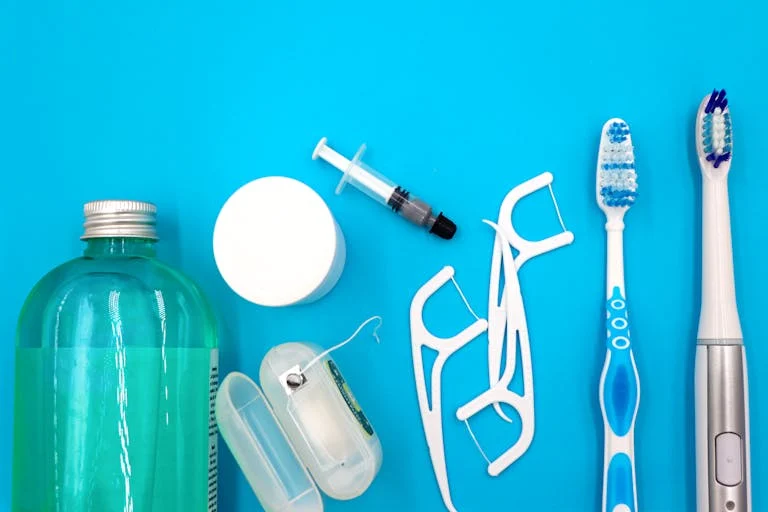
If string floss shreds, jams, or feels impossible, the problem may be fit rather than effort. Learn how interdental brushes, floss holders, dental tape, soft picks, and water flossers can help, and when a Hamilton dental exam can match the tool to your mouth.
A cracked filling does not always mean the whole filling has to come out. Learn the signs that matter, how dentists decide between monitoring, repair, or replacement, and what to do before your appointment.
End of content
End of content