Missing Tooth Options: Implant, Bridge, or Denture?

Comparing an implant, bridge, or partial denture starts with the teeth beside the gap, bone support, cleaning, timeline, and current CDCP coverage.

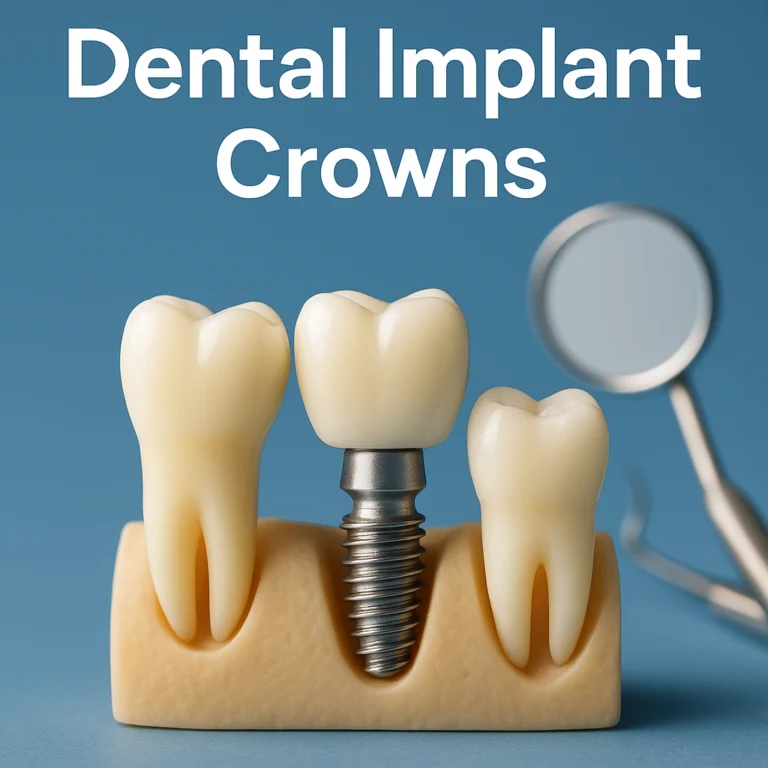
Comparing an implant, bridge, or partial denture starts with the teeth beside the gap, bone support, cleaning, timeline, and current CDCP coverage.
A first dental exam can still help if wisdom teeth hurt and your old records are missing. Here’s what to bring, what the exam usually includes, and when to book sooner.

Before you book, ask about eligibility, Sun Life billing, preauthorization, and any costs you may still owe. A few questions now can prevent billing surprises later.
A back-to-school dental planning guide for Hamilton families: when to book, how to fit visits around school and work, and when to call sooner.

Compare nitrous oxide and light oral sedation, see how exam-based candidacy works, and learn the best questions to ask before booking in Hamilton.

A sore tooth does not automatically mean root canal treatment or extraction. Learn how dentists use exam findings and x-rays to decide what comes next.
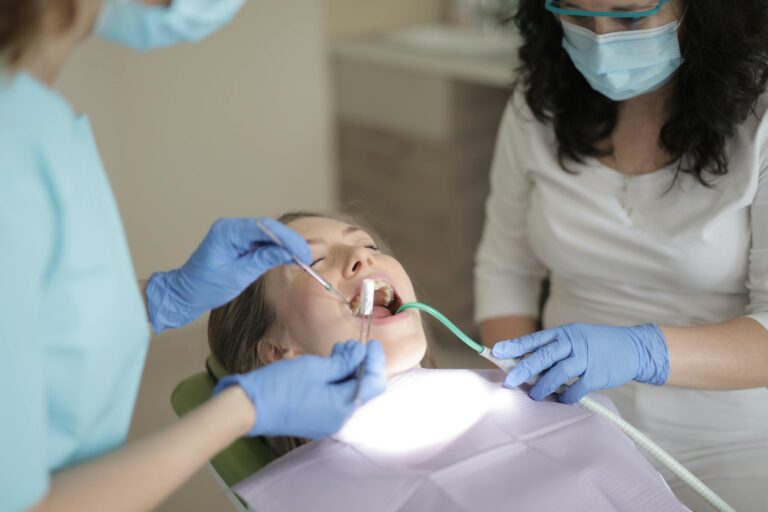
Before booking a family visit, ask five CDCP questions: is coverage active, does the office bill Sun Life, what needs approval, and what might you owe?
A filling can repair smaller damage. A crown may be needed when too little healthy tooth remains, a large filling fails, or a tooth weakens after root canal treatment.
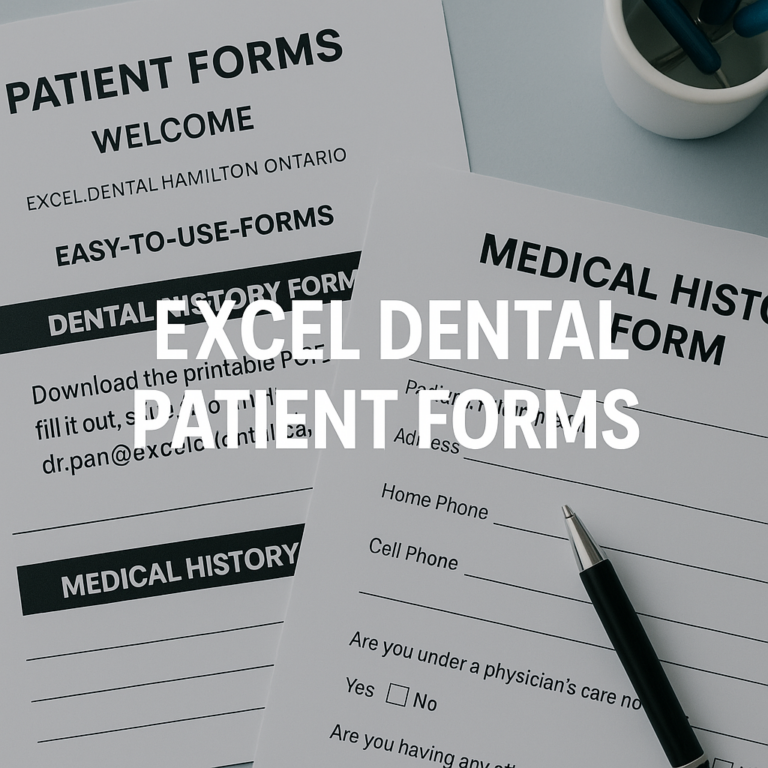
A short checklist can make an urgent dental appointment run more smoothly. Here’s what to bring so the dentist can review your situation safely and efficiently.
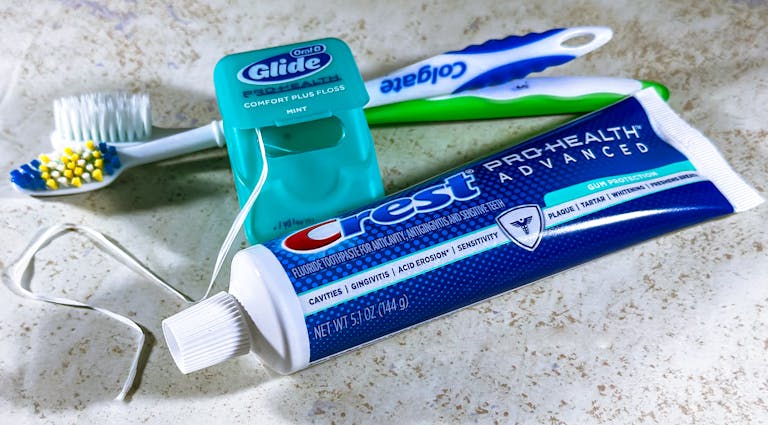
For most families, the biggest dental hygiene wins are still the simplest ones: brush twice a day with fluoride toothpaste, use the right amount for age, floss where teeth touch, and keep preventive visits focused on your own cavity risk. Here is what current Canadian guidance says matters most in 2026.

Early childhood cavities can progress quickly in children under 5. Learn what current evidence says about fluoride varnish, early dental visits, daily toothpaste use, and how Healthy Smiles Ontario and the Canadian Dental Care Plan may help Hamilton families access preventive care in 2026.

An evidence-based guide for Hamilton families on how the Canadian Dental Care Plan works in 2026, who qualifies, what preventive services are covered, and how it fits with Ontario programs like Healthy Smiles Ontario and the Seniors Dental Care Program.
End of content
End of content