
Emergency Dental Appointment in Hamilton: What to Bring With You
Emergency dental visits usually go more smoothly when you bring a few key items. A clear medication list, your health history, and any recent dental records can help the dentist review your situation faster and plan safely. If you have to leave in a hurry, bring what you can and come anyway; do not delay urgent care just to collect paperwork.
This checklist is useful for families, too, especially if you are helping a child, parent, or older adult get ready for urgent care. It can save time, but it does not guarantee same-day treatment or a specific procedure.
1) Bring your coverage details and ID
If you have dental insurance, bring your card or plan information if you can. If you are enrolled in the Canadian Dental Care Plan, bring your member information, identification, coverage start date, and any co-payment details you were given. If you are not sure what applies, bring the paperwork anyway so the office can help review it.
If you do not have the documents in paper form, a clear photo on your phone is still helpful.
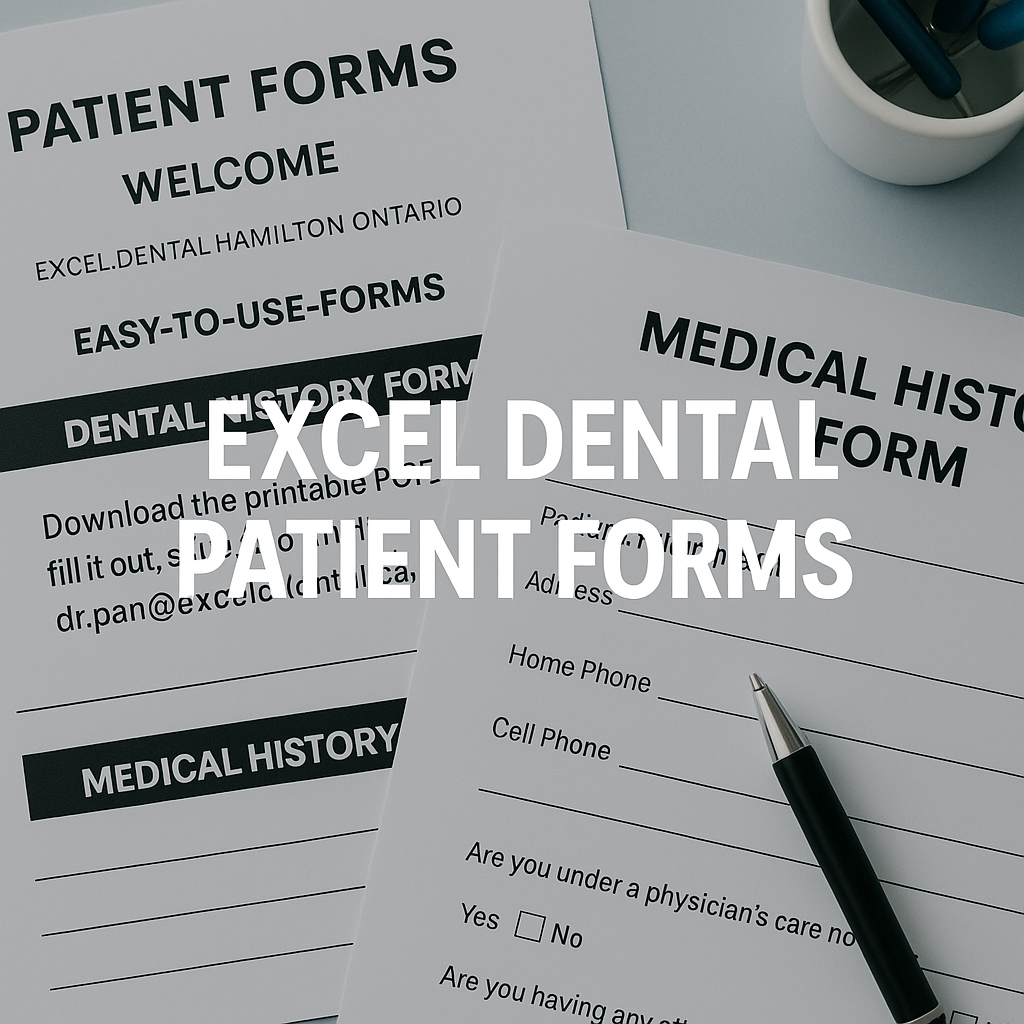
2) Bring an up-to-date medication list and medical history
Bring a full list of prescription medicines, over-the-counter products, vitamins, and supplements. If anything has changed recently, include that too.
Also bring a short medical history with:
- allergies
- past reactions to freezing, sedation, or medicines
- major health conditions
- recent hospital visits or doctor visits, if they matter to your dental care
This matters because urgent dental treatment sometimes needs to be planned around bleeding risk, medication interactions, allergies, or other health conditions.
3) Bring recent dental records or x-rays if you have them
If you changed dental offices or had recent treatment elsewhere, ask for your latest records or x-rays. Even a recent copy can help the dentist understand what has already been done and what may still be needed.
That can be especially helpful when the problem is complicated, when a tooth has already been treated, or when you are trying to avoid repeating x-rays that were taken recently.
4) If a permanent tooth was knocked out, bring the tooth or fragment
If a permanent tooth was knocked out, bring the tooth or any fragment you can find. Handle it carefully and avoid touching the root if possible. If you can do so without delay, keep it in a clean container.
Do not spend a long time searching for the tooth if you are in severe pain or bleeding heavily. Getting assessed promptly is more important.
5) A simple packing checklist
- photo ID
- dental insurance or CDCP details, if you have them
- a complete medication list
- allergy information and medical history notes
- recent dental records or x-rays
- the knocked-out tooth or fragment, if applicable
- a brief note about when the problem started
If you have trouble breathing, swallowing, or the swelling is getting worse quickly, do not wait for a dental appointment. Get urgent medical help right away.
If you are heading to an urgent visit in Hamilton, the team can review your options through emergency dentistry.
Key sources
- Government of Canada: Canadian Dental Care Plan
- RCDSO — Medical History Recordkeeping
- MedlinePlus — Broken or knocked out tooth
This article is for general education only and does not replace personalized advice, diagnosis, or treatment from a licensed dentist.