Trusted oral surgery options near Durand for Hamilton residents
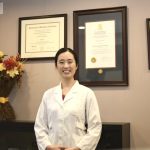
I am Dr. Cindy Li, and I enjoy helping Hamilton families feel confident about their dental health. If you live near Durand and are considering oral surgery, I provide compassionate, locally accessible care at Excel Dental, 49 East Avenue South, Hamilton, ON L8N 2T5, and I want you to know what options and supports are available close to home.
Common oral surgery procedures I offer
I treat a range of surgical needs that patients in our neighbourhood ask about most often. That includes extractions of non-restorable or problematic teeth, removal of impacted wisdom teeth, and surgical exposure of unerupted teeth when necessary. I also perform apicoectomies to save roots after failed root canals.
Dental implant placement and bone grafting are services I provide for patients who want a long-term solution for missing teeth. For some patients I coordinate staged care so we can restore function and aesthetics while preserving oral health. I work closely with lab technicians so crowns and prostheses fit comfortably and look natural.
How I assess and plan treatment
My assessment begins with a careful examination, a review of your medical history, and appropriate imaging such as panoramic X-rays or cone beam CT when needed. I explain findings in plain language and review treatment options, risks, and expected outcomes so you can make an informed choice. If you are anxious, I spend extra time addressing concerns and tailoring the plan.
When a multidisciplinary approach is best, I collaborate with local general dentists and specialists in Hamilton. Referrals are handled promptly because I know timely care reduces complication risk and speeds recovery. My goal is a treatment plan that balances effectiveness, comfort, and your life schedule.
Comfort and anesthesia options
Comfort is a priority in my practice. For simple procedures, I use effective local anesthetic techniques that keep you comfortable throughout. For patients who prefer deeper relaxation, I offer nitrous oxide sedation and can arrange oral sedatives when appropriate. For more complex cases or high anxiety, I work with anesthesiology partners for intravenous sedation when required.
I always discuss the pros and cons of each option, including what to expect the day of the procedure and the recovery period. Your safety guides which method I recommend; I review your medical history and current medications to choose the safest approach.
Recovery and aftercare
Recovery timelines vary by procedure. Simple extractions often improve within a few days, while implant healing and bone graft integration can take several months. I provide clear written and verbal aftercare instructions, including pain management, diet recommendations, and signs of infection to watch for. Follow-up visits let me monitor healing and remove sutures if needed.
If problems arise after hours, our team has protocols to help you get timely advice. Most complications are preventable with proper care, so I encourage patients to call if they notice increasing pain, swelling, bleeding that does not subside, or fever.
Costs, insurance and referrals
I discuss cost estimates up front and outline the steps involved so there are no surprises. Many oral surgery procedures are partially covered by dental insurance plans; I can help you understand typical coverage and submit claims on your behalf. For complex restorative work, we review the total plan so you know both surgical and prosthetic costs.
When a referral to a hospital or anesthesiologist is needed, I coordinate those arrangements to keep the process smooth. I also provide documentation and imaging to referring dentists so everyone involved in your care is on the same page.
Why choose Excel Dental near Durand
My practice combines gentle clinical care with a focus on patient education. Being based near Durand allows me to offer timely appointments and follow-up for Hamilton residents who value convenience without sacrificing quality. I pride myself on listening to each patient and tailoring care to their goals.
Our team emphasizes a calm, professional environment from the first call to the last check-up. If you want clear explanations, predictable outcomes, and compassionate support through surgical care, I welcome you to our office.
FAQ
How do I know if I need oral surgery or just a filling?
I start with a thorough exam and imaging; if a tooth cannot be restored reliably or is causing infection, extraction or another surgical procedure may be the best option. I explain alternatives when they exist.
Will getting my wisdom teeth removed affect my work or school schedule?
Most patients need one to three days off for recovery from wisdom tooth removal, depending on the complexity and your individual healing. I advise planning light duties for the first 48 hours.
Is dental implant surgery painful?
During the procedure you will be numb and comfortable. Some soreness afterward is normal and typically managed well with prescription or over-the-counter pain medication and cold packs.
How long after an extraction can I get an implant?
In some cases I can place an implant at the time of extraction. Often it is better to allow an initial healing period of several weeks to months, especially if bone grafting is needed. I assess this case by case.
What are the risks of oral surgery?
Common risks include bleeding, infection, swelling, and temporary discomfort. Less common risks can include nerve irritation or sinus involvement depending on the site. I review specific risks for your procedure before you consent.
Can I drive myself home after sedation?
No. If you receive nitrous oxide, oral sedation, or intravenous sedation, you should arrange for a responsible adult to drive you home and stay with you for the remainder of the day.
Will my insurance cover bone grafts and implants?
Coverage varies widely. Some plans provide partial coverage for bone grafts and implants; I recommend checking your benefits and I will help estimate costs and submit claims.
What should I eat after oral surgery?
Soft, nutrient-dense foods are best during the first few days. Think yogurt, soups at moderate temperature, mashed potatoes, and smoothies. Avoid hot, crunchy, or spicy foods until healing progresses.
How do you manage patients with dental anxiety?
I use a calm approach, explain each step, offer nitrous oxide or oral sedatives, and create a supportive environment. For significant anxiety, I coordinate with anesthesiology for deeper sedation if appropriate.
When should I be worried after surgery and call the office?
Call us if you have uncontrolled bleeding, severe increasing pain despite medications, high fever, or signs of spreading infection such as red streaks or difficulty breathing. I try to respond promptly to urgent concerns.
More information
For reliable information about oral health and standards of care in Ontario, I recommend resources such as the Ontario Dental Association at www.oda.ca and the Canadian Dental Association at www.cda-adc.ca. The Government of Ontario site at www.ontario.ca also provides useful public health guidelines and information about regulated health professionals. These sites help patients understand procedures, safety, and how dental care fits into overall health.
If you have questions or want to schedule a consultation, please call 905-529-2164 — I’m happy to help you explore the options and plan care that fits your needs.