Protect Your Smile with Regular Dental Checkups in Hamilton
Protect Your Smile with Regular Dental Checkups in Hamilton
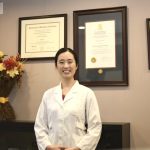
I am Dr. Cindy Li, and I enjoy helping Hamilton families feel confident about their dental health. Based at Excel Dental, 49 East Avenue South, near Strathcona, I see every day how a simple, regular checkup prevents small issues from becoming stressful treatments down the road.
Why routine checkups protect your oral health
Routine visits let me monitor changes in your mouth over time. When you come in every six months, I can spot early signs of decay, gum inflammation, or wear from grinding before they require major intervention. That early detection keeps care simpler and less costly.
Regular checkups also let us reinforce good habits. I tailor preventive advice — from brushing technique to product recommendations — based on what I observe in your daily routine. For busy Hamilton families, that personalized guidance makes a big difference.
Finally, checkups give you peace of mind. A clean exam and a quick discussion about risks like diet or medications help you stay in control of your oral health between visits.
What happens during a dental checkup at Excel Dental
When you arrive, I review your medical history and any changes since your last visit. Knowing your medications and overall health helps me evaluate risk factors for gum disease and oral conditions. I welcome questions about symptoms or cosmetic concerns right at the start.
The clinical exam includes a visual inspection of teeth, gums, tongue, and soft tissues, along with targeted X-rays when needed. I look for decay, bone loss, abnormal lesions, and any signs of infection. If I spot something, I explain the finding and your options in clear, nonjudgmental terms.
Our hygienist performs a professional cleaning to remove plaque and tartar. We use this time to coach on technique and to recommend preventive measures that fit your lifestyle here in Hamilton.
Preventive care and cleanings
Professional cleanings reduce bacteria that contribute to cavities and gum disease. In my experience, patients who commit to regular cleanings have fewer emergency visits and longer-lasting restorations. Cleanings also freshen breath and improve overall oral comfort.
We pair cleanings with fluoride treatments and sealants for patients who need extra protection. Fluoride strengthens enamel and is a simple, evidence-based step I often recommend for both children and adults with sensitivity or multiple restorations.
Preventive care is not one-size-fits-all. I develop plans based on your risk level, lifestyle, and goals—whether you want to maintain a healthy mouth, whiten teeth safely, or prepare for restorative work.
Detecting problems early: cavities, gum disease, oral cancer
Cavities that are caught early often require just a small filling. I use bitewing X-rays and careful visual inspection to find decay before it reaches a nerve. Early treatment preserves more of your natural tooth structure.
Gum disease can advance quietly. I measure pocket depths and check for bleeding and bone loss. When I identify early-stage gum disease, I implement a targeted hygiene and monitoring plan to halt progression and restore gum health.
I perform oral cancer screening as part of every exam. Finding suspicious lesions early significantly improves outcomes, so I encourage regular visits, especially for tobacco users and those with heavy alcohol use or persistent mouth sores.
Caring for children and seniors
I enjoy helping children establish positive dental experiences. For young patients, checkups are gentle introductions to oral care. I focus on prevention, dietary counseling, and placing sealants when appropriate to reduce future decay.
Seniors have unique needs, including dry mouth from medications and increased risk of root decay. I tailor exams to assess root health, denture fit, and bone support. Preventive strategies often include saliva substitutes, topical fluoride, and careful monitoring.
Across all ages, I emphasize communication. When families bring children or older adults, I explain the plan in plain language and set realistic goals that fit each person’s routine.
Building a long-term plan for healthy teeth
Dental care is most effective when it fits into a long-term plan. I work with each patient to set recall intervals, preventive measures, and restorative timelines based on their oral health picture. This collaborative approach keeps treatment predictable and aligned with your budget.
For patients undergoing restorative or cosmetic work, I map out phased care so you never feel rushed into decisions. I believe in explaining trade-offs clearly so you understand the expected outcomes and maintenance required.
My priority is to make dental health manageable. With regular visits and a tailored plan, most people maintain healthy smiles well into later life.
FAQ
How often should I come in for a checkup?
I recommend most patients visit every six months, but if you have gum disease, frequent cavities, or certain medical conditions, I may suggest more frequent visits.
Are X-rays necessary at every checkup?
Not at every visit. I take X-rays when they will change the diagnosis or treatment planning. For routine monitoring, I use them selectively to minimize exposure.
My gums bleed when I brush. Is that normal?
Bleeding is usually a sign of inflammation. I start with a hygiene appointment, review your home care, and set up a targeted cleaning and monitoring schedule to reverse early gum disease.
What can I do about tooth sensitivity?
Sensitivity can come from enamel loss, exposed roots, or grinding. I assess the cause and may recommend desensitizing toothpaste, topical treatments, fluoride, or a night guard if grinding is a factor.
Are cleanings painful?
Most patients find cleanings comfortable. If you have sensitive teeth or anxiety, I adjust technique and offer topical anesthetic or other comfort options to make the visit easier.
My child drinks juice every day. Is that okay for their teeth?
Frequent exposure to sugary or acidic drinks increases decay risk. I suggest limiting juice, encouraging water between meals, and rinsing or brushing after sweet drinks.
How do you screen for oral cancer?
I visually and manually examine the mouth, lips, tongue, and throat for abnormal lumps, patches, or sores. If I find anything suspicious, I refer for further testing promptly.
What should I do for a dental emergency?
Call us immediately. For a knocked-out tooth, keep it moist and come to the office quickly. For severe pain or swelling, prompt evaluation prevents complications.
Is electric toothbrush better than a manual one?
Both can be effective. I often recommend electric brushes for patients who have difficulty with technique or who want an easier way to achieve consistent plaque removal.
How can I improve my at-home oral care between visits?
Brush twice daily with fluoride toothpaste, floss daily, reduce sugary snacks, and use an interdental cleaner if you have tight spaces. I tailor specific tips during your visit.
More Information
For evidence-based guidance, I recommend the Ontario Dental Association (oda.ca) for patient resources on preventive care and product recommendations, and the Canadian Dental Association (cda-adc.ca) for national guidelines and oral health facts. The Government of Ontario site (ontario.ca) also provides useful public health information related to dental coverage and community resources.
If you have questions or would like to schedule an exam at Excel Dental, please call 905-529-2164 and my team will be happy to help.