Hamilton Patients: How Excel Dental’s Implant-Supported Dentures Boost Stability and Chewing Power When Replacing Multiple Missing Teeth
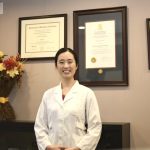
I’m Dr. Cindy Li at Excel Dental, 49 East Avenue South in Hamilton, ON L8N 2T5, and I tell my patients that when multiple teeth are missing, implant-supported dentures can give you far better stability and chewing strength than the old removable options most people remember. For Hamilton residents juggling nutrition, speech, and the frustration of shifting dentures, these restorations change daily life in a predictable, comfortable way.
Why implant-supported dentures are different
Implant-supported dentures are anchored to dental implants that are placed into the jawbone. Because the prosthesis connects to implants, it does not slide or lift in the mouth the way a conventional removable denture can. That means you can eat a wider variety of foods and speak with more confidence.
The implants themselves integrate with bone to provide a foundation that mimics natural tooth roots. In my practice I see the biggest day-to-day improvements in patients who had struggled for years with looseness, sore spots, or limited diets. It is a different experience from older denture methods.
How we plan treatment at Excel Dental
Every plan begins with a thorough exam and digital imaging so we can evaluate bone level, bite relationships, and facial support needs. I walk patients through the findings and show them visual treatment options so they understand why certain numbers of implants or prosthetic designs are recommended.
We include discussion of timing, potential need for bone grafting, temporary teeth during healing, and realistic expectations for function and appearance. I find patients feel much more comfortable when they see a clear step-by-step plan and know what to expect at each visit.
The surgical and prosthetic process
The surgical phase involves placing implants precisely in the jaw. Many patients are surprised at how well modern implant surgery is tolerated with local anesthesia and optional sedation. After placement, implants need time to integrate with bone, usually a few months, though immediate-load options may be possible in select cases.
Once integration is complete, we attach the denture framework and final teeth. The prosthetic phase focuses on achieving a natural bite, comfortable soft-tissue contours, and an aesthetic result that suits your face. I personally adjust occlusion and fit until the patient is comfortable with bite, speech, and appearance.
Benefits for stability and chewing power
Because the denture is attached to implants, biting forces are distributed to the jawbone rather than resting solely on gum tissue. This produces higher chewing efficiency and allows safe consumption of firmer foods like apples, steak, and raw vegetables, which are often difficult with tissue-supported dentures.
Stability also reduces sore spots and the need for messy adhesives. For many patients, the confidence to eat, laugh, and speak without worry is just as important as the functional gains. I regularly hear from patients that their social life and nutrition both improved after treatment.
Who is a good candidate
Good candidates are patients who are missing several or all teeth in an arch and have reasonable oral and general health. Adequate jawbone is important, but where bone is insufficient we can often graft or use strategic implant positioning to achieve stability.
Age alone is not a limiting factor. Patients with controlled medical conditions often do well with implants after medical clearance. We evaluate each case on its own merits and prioritize safety and predictable outcomes.
Recovery, care, and long-term maintenance
Initial healing after implant placement commonly involves mild swelling and tenderness for a few days that is manageable with prescribed or over-the-counter medications. I give clear postoperative instructions and schedule follow-ups to monitor healing. Once the implants are loaded and the prosthesis is in place, regular dental hygiene visits are essential.
Long-term success depends on home care and professional maintenance. Implant-supported dentures are not maintenance-free, but with proper care they can last many years. I ask my patients to come in regularly so we can check implant stability, soft tissue health, and the condition of the prosthetic teeth.
FAQ
Will getting implant-supported dentures be painful?
Most patients report only mild to moderate discomfort after surgery that improves quickly. I provide anesthesia during the procedure and a clear plan for pain control afterward, and I stay in close contact during recovery.
How long do implant-supported dentures last?
The implants themselves can last decades with good care. The denture teeth and components may need replacement or refurbishment over time depending on wear and bite, and I discuss realistic timelines up front.
Am I too old to get dental implants?
Age is rarely a disqualifier. Overall health and bone condition matter more. I review medical history and work with your physician if needed to ensure a safe treatment plan.
How much do implant-supported dentures cost in Hamilton?
Costs vary by the number of implants, need for grafting, and prosthetic design. I provide a personalized estimate after evaluation and discuss financing and insurance options to make care manageable.
Do implant-supported dentures look natural?
Yes. One of my priorities is creating teeth that match facial shape, lip support, and smile line so the result looks natural and feels comfortable.
Can implant-supported dentures be for one arch only?
Absolutely. Many patients have implants in the upper or lower arch only. We plan each arch based on needs and goals.
How many implants are needed?
The number ranges from two to six or more depending on the prosthesis type and bone support. I explain the options and trade-offs so you can choose what fits your function and budget.
Will I need bone grafting?
Some patients do. Grafting rebuilds bone where needed and can make implant placement more predictable. Not every case requires it, and I always explain alternatives.
How soon can I eat normally again?
Soft foods are usually fine within a few days. Full return to a normal diet depends on healing and the type of prosthesis. I give personalized guidance based on progress.
Are implants safe for smokers?
Smoking increases the risk of implant complications and failure. I discuss risks openly and recommend smoking cessation before and after treatment for best outcomes.
Can the denture be removed or is it fixed?
Some implant prostheses are removable by the patient, and others are fixed and only removed by a dentist. Each design has benefits; I help patients choose what suits their lifestyle.
Will my speech change?
Speech may take a short adjustment period, especially if you previously had a different denture. Most patients adapt quickly and often notice improved clarity once the denture is stable.
More Information
For reliable, Canada-specific information, the Ontario Dental Association (oda.ca) offers patient-focused resources about implant dentistry and oral health, and the Canadian Dental Association (cda-adc.ca) provides national guidelines and patient education on dental implants and prosthetics. These sites help you understand clinical standards and prepare questions for your consultation.
If you live in Hamilton and want to talk about whether implant-supported dentures are right for you, please call our office at 905-529-2164 to arrange a consultation.