Gentle family dental care just minutes from Ainslie Wood Hamilton
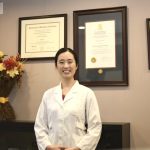
I am Dr. Cindy Li, and I enjoy helping Hamilton families feel confident about their dental health. At Excel Dental on East Avenue South, I regularly welcome patients from Ainslie Wood who are looking for gentle, modern care in a calm, respectful environment, and I treat every visit as an opportunity to make dentistry feel a little easier and more comfortable.
A welcoming dental home for Ainslie Wood families
My goal is to create a dental home where you and your family feel genuinely cared for, not rushed. I schedule appointments so I have enough time to listen, answer questions, and explain what I see in your mouth in clear, simple language. Many patients tell me they used to dread the dentist; together we work to replace that anxiety with trust.
At Excel Dental, I care for children, adults, and seniors under one roof. It is common for me to see a child for their first “happy visit,” then check in on a parent’s preventive care, and later help a grandparent manage changes in their oral health. When a whole family comes to the same office, I can better understand shared habits, health issues, and goals, which helps me tailor care for everyone.
I pay close attention to comfort. That starts with a friendly greeting, gentle injections when needed, and clear guidance so you know what I am doing and why. Small details like numbing gels, headphones, or a short break during treatment can make a big difference, and I am always open to your preferences.
What gentle family dental care means in my practice
To me, “gentle” is not just about how I use my hands, but also how I communicate. I never want a patient to feel judged about cavities, gum disease, or having stayed away for years. My role is to help you improve your oral health starting from where you are today, with practical steps you can maintain at home.
During exams, I use a light touch and talk you through what I see on your teeth and gums and on your digital x‑rays. I show you areas to watch and explain why certain treatments are recommended now while others can be safely monitored. Patients often tell me that understanding the “why” reduces fear significantly.
Comfortable care also means planning. For children and anxious adults, I may break treatment into shorter visits or begin with the simplest procedures first to build confidence. For patients with complex needs, I design a step‑by‑step plan that fits your schedule and budget, so nothing feels overwhelming.
I also believe in being proactive. With consistent checkups and cleanings, I can often catch small problems long before they become painful or expensive. This preventive approach is one of the kindest things we can do for your mouth and overall health.
Services for every stage of your family’s smiles
In my practice, routine care forms the foundation: thorough checkups, gentle cleanings, fluoride treatments when appropriate, and personalized advice about brushing, flossing, and diet. These visits help prevent cavities and gum disease and give me a chance to track changes over time.
When a tooth does need repair, I offer tooth‑coloured fillings and custom crowns designed to look natural and feel comfortable when you bite. If a tooth is cracked, deeply decayed, or has a lingering ache, I may recommend root canal treatment to relieve pain and save the tooth rather than remove it.
Cosmetic concerns are also important because they affect how you feel when you smile. I provide options such as professional whitening and veneers to brighten and reshape teeth. Clear aligner therapy is available for many teens and adults who want to straighten their teeth discreetly.
For patients with missing teeth, I discuss solutions like bridges, dentures, and implant‑supported options. Restoring your ability to chew and speak comfortably can dramatically improve quality of life, and I work with you to choose an approach that fits your health, goals, and lifestyle.
Helping anxious patients feel safe and understood
Dental anxiety is very common, and I take it seriously. I always invite patients to tell me about past experiences that made them nervous and what worries them most now. That conversation helps me adjust how I explain things, how quickly we go, and what comfort measures we use.
Before starting any procedure, I outline each step in plain language and encourage you to ask questions. If you prefer fewer details, I keep the explanations brief and focus on checking in about how you are feeling. I also establish a “stop signal” so you know you remain in control during treatment.
For some patients, especially those with strong gag reflexes or difficulty sitting still, we may use additional strategies such as anti‑anxiety medication prescribed in advance or careful scheduling at quieter times of day. My team and I aim to create a calm, predictable experience every time you come in.
Children benefit from a similar approach. I use positive language, show them my instruments in a non‑threatening way, and praise their cooperation. When kids learn early that dental visits can be comfortable, it sets them up for a lifetime of better oral health.
Children’s dentistry: building positive habits early
I love working with children and seeing their confidence grow from visit to visit. Early appointments are usually short and cheerful. I count teeth, “tickle” them clean, and help kids get familiar with the sights and sounds of the office. These first experiences shape how they feel about dentistry for years.
I encourage parents to bring children for a first visit around their first birthday or within six months of the first tooth appearing. These early checkups allow me to spot issues such as weak enamel, early cavities, or bite problems while they are still easy to manage. They also give parents a chance to ask questions about brushing, toothpaste, and diet.
Fluoride treatments and dental sealants can be very helpful for kids who are prone to cavities, especially in the deep grooves of back teeth. I only recommend them when I feel they will genuinely benefit your child and always explain the reasons in advance.
At each visit, I take time to coach kids on brushing and flossing in a way they can understand, often using mirrors and models to show them exactly what to do. Turning oral care into a simple routine rather than a struggle at home is one of the most valuable outcomes of children’s dentistry.
Convenient care for Ainslie Wood neighbours
Many of my patients travel a short distance from Ainslie Wood to my office on East Avenue South. I understand that families juggle school, work, and other responsibilities, so I aim to make visits as efficient as possible while maintaining thorough care. We work hard to stay on time so you can plan your day confidently.
When several family members are due, I often coordinate back‑to‑back or overlapping appointments. For example, a parent might have a cleaning while a child has an exam, which can cut down on how many separate trips you need to make.
My team communicates clearly about scheduling, fees, and insurance so there are fewer surprises. We can submit insurance claims electronically for most plans, and we explain out‑of‑pocket costs before any treatment begins so you can make informed choices.
If you ever have an urgent concern, such as a broken tooth or sudden toothache, I do my best to see you quickly. Pain can be very disruptive, and timely attention can prevent a minor issue from becoming a more serious problem.
Managing dental emergencies with calm and care
Dental emergencies often happen at the worst possible time, such as right before a trip or an important event. When you call my office with a problem, my priority is to assess how urgent it is and get you the care you need as soon as we reasonably can.
Common emergencies I see include severe toothaches, broken or chipped teeth, lost fillings or crowns, and injuries to the lips or gums. When you arrive, I first focus on relieving pain, then on stabilizing the tooth or soft tissue so we can plan a longer‑term solution if needed.
Sometimes a problem that feels alarming can be managed fairly simply, while other times a small symptom signals a deeper issue. That is why I rely on careful examination and, when necessary, digital x‑rays to decide the safest and most effective treatment.
For families, I understand that emergencies are especially stressful when they involve children. I make extra effort to keep kids calm, explain what I am doing in child‑friendly language, and reassure both the child and the parent throughout the visit.
Working with your dental insurance and budget
Finances are a real concern for many families, and I believe in being transparent and respectful about costs. Before starting any non‑urgent treatment, I review the findings with you and discuss the available options, including what might be done now and what can be safely postponed.
If you have dental insurance, my team can help you understand the basics of your coverage, including yearly maximums and coverage percentages for different procedures. We can send estimates to your insurer so you have a clearer idea of what to expect before proceeding.
For patients without insurance, we prioritize care in a way that addresses urgent issues first, then preventive and elective treatments. Sometimes breaking treatment into phases over several visits is more manageable, and I am happy to plan accordingly as long as it does not compromise your health.
My aim is always to recommend what is clinically appropriate while respecting your budget. You will never be pressured into a treatment you are not comfortable with, and questions about fees are always welcome.
FAQ: Answers to common questions from my patients
How often should my family and I have dental checkups?
In my practice, I usually recommend checkups and cleanings every six months for most patients. Some people with gum disease, a history of frequent cavities, or certain medical conditions may benefit from visits every three or four months. I tailor the schedule to each person’s risk level rather than using a one‑size‑fits‑all approach.
My child is scared of the dentist. What can we do to make visits easier?
I suggest starting with a simple, non‑treatment visit if possible, such as a checkup and cleaning only, so your child can get used to the office. At home, you can read children’s books about visiting the dentist and avoid using dental visits as a “threat” for bad behaviour. During the appointment, I use positive language, show kids my instruments in a friendly way, and move at a pace they can handle.
Is x‑ray imaging safe for me and my children?
I use digital x‑rays, which require a very low level of radiation, and I take them only when necessary for diagnosis and monitoring. The protective lead apron and thyroid collar further reduce exposure. For most patients, the benefit of detecting problems early, such as cavities between teeth or infections, far outweighs the minimal risk.
What should I do if I have a toothache at night or on the weekend?
If you develop a strong toothache, you can gently rinse with warm salt water, take over‑the‑counter pain relief if you can safely use it, and avoid chewing on the sore side. Call my office as soon as we are open so we can fit you in promptly. If swelling affects your breathing or swallowing, or if you feel very unwell, you should seek urgent medical attention right away.
How early should my child start seeing a dentist?
I recommend bringing your child in around their first birthday or within six months of their first tooth coming in. At that early visit, I will check their teeth and gums, review feeding and brushing habits, and talk with you about how to prevent early childhood cavities. It is also a chance for your child to see that a dental visit can be simple and positive.
Can you help if I have not seen a dentist in many years?
Yes. Many patients come to me after a long time away from dental care, often because of fear, finances, or previous negative experiences. My approach is to start with a thorough but gentle exam and a conversation about your goals. I never lecture or shame anyone for past choices. Together, we create a practical plan to restore your oral health at a pace that feels comfortable.
What options do I have to replace a missing tooth?
Depending on your situation, options may include a dental implant with a crown, a bridge that anchors to neighbouring teeth, or a removable denture. Each choice has its own advantages related to comfort, appearance, cost, and long‑term maintenance. I examine your mouth, review your medical history, and then discuss which options are most appropriate for you.
Are professional cleanings really necessary if I brush and floss well?
Even with excellent home care, most people develop some tartar and plaque in areas that are hard to reach, such as behind lower front teeth or below the gumline. Professional cleanings remove these deposits and allow me to monitor your gums for early signs of disease. Regular cleanings also help keep your breath fresher and your teeth looking their best.
What can I do about bleeding gums when I brush?
Bleeding gums are often a sign of inflammation from plaque buildup along the gumline. I usually recommend a thorough cleaning, instruction on brushing and flossing techniques, and sometimes additional therapy if gum disease is present. If your gums continue to bleed after improving your home care, it is important to have them checked, as this can signal a more serious issue.
Are clear aligners an option for adults who want straighter teeth?
For many adults, clear aligner therapy is an excellent way to address crowded, spaced, or mildly rotated teeth without changing their appearance dramatically during treatment. I start with a detailed assessment to determine if aligners are suitable for your bite and goals. If they are, I design a stepwise plan that gradually moves your teeth into a more ideal position.
How can I reduce my risk of cavities between visits?
I recommend brushing at least twice daily with a fluoride toothpaste, flossing once a day, and being mindful of how often you have sugary or acidic foods and drinks. Sipping sweet beverages throughout the day is especially hard on teeth. At your visits, I can point out any areas you are missing when you clean and suggest tools such as interdental brushes or rinses if needed.
What if I grind my teeth at night?
If I see signs of wear, chipping, or jaw tension, we will talk about whether you might be grinding or clenching, especially during sleep or stressful periods. A custom night guard can protect your teeth and reduce strain on your jaw joints. I create these guards to fit comfortably so you are more likely to wear them consistently.
Does dental health really affect my overall health?
Yes. There is strong evidence linking gum disease with conditions such as diabetes and heart disease. Chronic inflammation in the mouth can have effects beyond your teeth. By keeping your gums healthy and addressing infections promptly, we are also supporting your general health. I work closely with you and, when appropriate, your physician to coordinate care.
More information
If you would like to read more about oral health and dental care in Ontario, the Ontario Dental Association at oda.ca offers patient‑friendly information on treatments, prevention, and finding a dentist. The Canadian Dental Association at cda-adc.ca provides detailed resources on everything from children’s dentistry to seniors’ oral health. You can also visit ontario.ca for information about provincial health programs that sometimes interact with dental care. These sites are reliable, regularly updated, and written with Canadian patients in mind.
If you live in or near Ainslie Wood and are looking for gentle, attentive dental care, I would be happy to meet you; please call my office at 905-529-2164 to schedule a visit or ask any questions you may have.