Find Convenient Restorative Dental Care a Short Drive from North End Hamilton
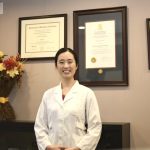
I am Dr. Cindy Li, and I enjoy helping Hamilton families feel confident about their dental health. If you live in the North End and are looking for dependable restorative care a short drive away, I welcome you to Excel Dental at 49 East Avenue South, Hamilton, ON L8N 2T5, where my team and I focus on comfortable, durable solutions that fit your life.
Common Restorative Treatments
In my practice I commonly restore teeth with composite fillings, crowns, bridges, and implant-supported restorations. Composite materials allow me to repair decay or chips while matching the colour and shape of your natural teeth, so your smile looks normal and feels comfortable. For larger damage I often recommend crowns, which protect what remains of the tooth and restore function.
Dental implants are an excellent option when patients need a permanent replacement for a missing tooth. Where implants are not suitable, a fixed bridge or a well-fitting denture can restore chewing and confidence. I also perform root canal therapy when necessary to save an infected tooth; saving a natural tooth is often the best long-term choice for function and bone preservation.
When to Visit for Restorative Care
You should consider restorative care if you have pain, a visible cavity, a cracked tooth, or trouble chewing. Even if symptoms are mild, early treatment can prevent more extensive work later. I encourage patients to come in when they first notice sensitivity or discoloration so we can diagnose the issue with minimal intervention.
Regular checkups are also a great time to discuss preventive steps and to identify problems before they become urgent. In my experience, patients who stay on a consistent recall schedule usually need smaller, more affordable repairs than those who delay care.
My Approach to Restorative Dentistry
I aim to blend evidence-based dentistry with a comfortable, compassionate atmosphere. During your appointment I will explain the diagnosis, present treatment options, and discuss the expected outcomes and timeline. I use digital x-rays and intraoral photography to show you what I see and to make collaborative decisions about your care.
When planning restorations I consider aesthetics, function, and longevity. For example, I select materials based on the location of the tooth, your bite, and your cosmetic goals. I also prioritize minimally invasive techniques whenever possible to preserve healthy tooth structure.
Aftercare and Longevity of Restorations
Good aftercare is essential for the longevity of any restoration. I advise patients to maintain daily brushing and flossing, avoid chewing very hard objects, and come in for regular cleanings and exams. I will also show you practical tips tailored to your restoration type, such as how to clean around implant crowns or under a bridge.
With proper care, many restorations last for years. I monitor restorations at recall visits and can make timely repairs if wear or minor fractures occur. My goal is to extend the life of your restorations while keeping future treatment as conservative as possible.
Insurance and Payment Options
I work with many dental insurance plans and will help you understand your coverage for restorative procedures. Before we begin treatment I provide a clear estimate so you know what portion your plan will likely cover and what your out-of-pocket cost will be. If needed, I can discuss phased treatment plans to fit care into your budget.
For patients without coverage I can suggest payment options to spread the cost responsibly. I believe financial concerns should not prevent people from getting the care they need, so I strive to make treatment accessible and transparent.
FAQ
What causes a tooth to need a filling?
Decay, wear, and small fractures can create cavities that require a filling. I evaluate the extent of the damage and recommend the appropriate material to restore strength and appearance.
How long does a crown last?
Crowns typically last many years; with good oral hygiene and regular checkups they often function well for 10 to 15 years or more. I focus on proper fit and material selection to maximize longevity.
Are dental implants painful?
I take steps to minimize discomfort. The procedure is done with local anesthesia, and most patients experience only mild soreness afterward that responds to over-the-counter pain relief. I provide detailed aftercare instructions to help recovery.
Can I get a tooth saved with a root canal?
Often yes. Root canal treatment removes infected tissue inside the tooth and allows us to restore it with a crown. Saving a natural tooth is preferable when possible, and I explain success rates and alternatives clearly.
What is the difference between a bridge and an implant?
A bridge uses adjacent teeth for support and can be a good option when implants are not possible. An implant replaces a tooth root and preserves bone underneath the missing tooth. I help patients weigh the benefits and limitations of each approach.
Will my restoration look natural?
I use tooth-coloured materials and precise shading to match your surrounding teeth. I pay attention to shape, translucency, and polish so restorations blend in naturally.
How quickly can I get restorative treatment?
I try to accommodate urgent needs promptly. For non-emergency care I schedule based on the complexity of the procedure and your availability. I explain timelines during your consultation.
Do I need to avoid certain foods after a restoration?
For the first 24 hours after some procedures, I recommend avoiding very hard or sticky foods. Long term, try to avoid habits like chewing ice or biting hard objects that can damage restorations.
What if I grind my teeth?
Bruxism can shorten the life of restorations. I assess for signs of grinding and may recommend a nightguard or other measures to protect your dental work.
How do I know if a denture will be right for me?
I evaluate jaw relationships, remaining teeth, and your functional goals. If a denture is appropriate I ensure it is comfortable and well-fitting and discuss implant-supported options if you want additional stability.
More Information
For reliable information about dental procedures and oral health in Ontario, I recommend resources such as the Ontario Dental Association (oda.ca), which offers patient guides on common treatments and preventive care, and the Canadian Dental Association (cda-adc.ca), which provides evidence-based summaries and patient-friendly explanations of dental topics. The Government of Ontario’s health site (ontario.ca) also includes practical information about public dental programs and oral health recommendations.
If you have questions or would like to schedule an appointment, please call our office at 905-529-2164 — I’m happy to help you find the right restorative solution.