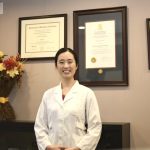
Comprehensive dental care for Durand residents near downtown Hamilton
I am Dr. Cindy Li, and I enjoy helping Hamilton families feel confident about their dental health by offering a full range of services close to where they live and work, especially in neighbourhoods like Durand and the downtown core.
Convenient dental care for Durand and downtown Hamilton
My practice, Excel Dental at 49 East Avenue South, is only a few minutes from Durand and the surrounding downtown streets. Many of my patients walk from their homes or workplaces, or stop in before or after work. I designed my schedule and services with busy urban lifestyles in mind, so you can keep your smile healthy without a long commute across the city.
I see patients of all ages, from young professionals and university students to families and retirees who have called Hamilton home for decades. That variety keeps my days interesting and helps me understand the different needs each stage of life brings. Whether you are just settling into Durand or have lived here for years, my goal is to make our office feel approachable, efficient, and comfortable.
Preventive and family dentistry to protect your smile
Prevention is at the heart of everything I do. Regular checkups and cleanings let me catch small concerns before they turn into bigger, more expensive problems. During your visit, I carefully examine your gums, teeth, bite, and existing dental work, and I explain what I see in clear, simple terms so you know exactly what is happening.
I encourage parents to bring children in early, so dental visits feel routine and positive rather than scary. I take my time with younger patients, showing them the mirror, the “tooth counter,” and the suction so they feel in control. When kids grow up feeling relaxed at the dentist, they are much more likely to keep good habits throughout their lives.
Preventive care also means talking about nutrition, daily brushing and flossing, mouthguards for sports, and nightguards for people who grind their teeth. Small adjustments at home can make a big difference, and I enjoy tailoring advice to each patient’s lifestyle, whether that means shift work, frequent travel, or caring for young children.
Restorative treatments for decayed, worn, or missing teeth
When teeth are damaged by decay, wear, or injury, I focus on restoring both function and appearance. For smaller problems, tooth-coloured fillings bond directly to the natural tooth and blend in with your smile. For larger cracks or older restorations that are breaking down, porcelain crowns can protect the tooth and help you chew more comfortably.
If a tooth cannot be saved, I talk patients through replacement options such as dental implants, bridges, or removable partial dentures. Each has its advantages, and I help you weigh the benefits, costs, and maintenance requirements in a straightforward way. Missing teeth are more than a cosmetic concern; they affect chewing, jaw health, and sometimes speech.
Many people feel nervous when they hear they need restorative treatment. I always show digital images and, when helpful, intraoral photos so you can see what I see. When patients understand the “why” behind a recommendation, they usually feel more confident moving forward and more satisfied with the final result.
Cosmetic options to enhance your confidence
Cosmetic dentistry is not about chasing perfection; it is about helping you feel comfortable smiling, laughing, and speaking in everyday life. I offer professional whitening for patients who feel their teeth look dull or stained from coffee, tea, wine, or smoking. It is important to evaluate your gums and existing restorations first, so the result looks natural and even.
For chips, small gaps, and minor shape issues, bonding or custom porcelain veneers can create a more harmonious smile. I pay close attention to your facial features, lip line, and natural tooth colour so everything works together. Many patients are surprised at how subtle changes can have a big impact on their confidence.
In some cases, aligning the teeth with clear aligner therapy helps both appearance and function. Straighter teeth are often easier to clean, which reduces the risk of gum disease and cavities in the long term. I always discuss whether cosmetic changes might also improve your bite and overall oral health, so you are getting more than just a “photo-ready” smile.
Invisalign and clear aligner therapy near Durand
For adults and teens who want straighter teeth without visible brackets and wires, I provide Invisalign and other clear aligner options. These treatments involve a series of transparent trays that gradually move your teeth into better alignment. Because they are removable, you can eat, brush, and floss as usual, which many patients appreciate.
Before starting, I complete a thorough examination, photos, and digital scans so we can map out how your teeth are likely to move. I show you the expected stages and timeline, and we talk honestly about what clear aligners can and cannot achieve. Not every bite is suitable, but many mild to moderate alignment issues respond very well.
Compliance is essential. I remind my patients to wear their aligners as directed, usually 20 to 22 hours per day, to keep treatment on track. Regular follow-up visits at my Hamilton office let me monitor progress, make adjustments, and answer questions, so you always know where you stand.
Dental emergencies and same-day care
Dental emergencies can’t always wait, and they rarely happen at convenient times. When someone calls my office with sudden pain, a broken tooth, swelling, or a lost filling or crown, I do my best to see them as quickly as possible, often the same day. Relieving pain and stabilizing the situation is always the first priority.
Common emergencies I treat include severe toothaches, dental infections, fractured teeth from accidents or sports, and problems with existing dental work. In each case, I explain the immediate steps we need to take and what the longer-term options look like, whether that is a root canal, a new crown, or another type of repair.
If you are unsure whether your situation is an emergency, I encourage you to call and describe your symptoms. My team and I can usually guide you on whether you should come in urgently, schedule a near-term visit, or seek hospital care if there are serious signs such as difficulty breathing or swallowing.
Sedation and comfort options for anxious patients
Dental anxiety is extremely common, and I meet many patients whose past experiences make them nervous about sitting in the chair. I never dismiss those feelings. Instead, I take extra time to listen, explain each step of the visit, and move at a pace that works for you. Simply knowing you are in control can reduce a lot of anxiety.
For patients who need extra help relaxing, I offer sedation options that we tailor carefully to your health history and the complexity of treatment. Sometimes mild oral medication and topical and local anesthetic are enough to make a long appointment feel much more manageable. I always discuss the benefits, potential risks, and what to expect before, during, and after.
Creating a calm environment is equally important. My team focuses on gentle communication, clear expectations, and checking in during procedures. I encourage patients to signal if they need a pause or have discomfort, and we adjust accordingly. Over time, many previously anxious patients tell me their visits have become far less stressful.
Periodontal (gum) health and maintenance
Healthy gums are the foundation of a healthy mouth. In my practice, I routinely measure gum pockets, check for bleeding, and assess bone levels on X-rays to identify early signs of periodontal disease. Gum disease often progresses silently, so regular monitoring is essential, especially for smokers, diabetics, and patients with a family history of dental problems.
When I see signs of gingivitis or early periodontitis, I recommend thorough professional cleanings and, in some cases, more focused deep cleaning called scaling and root planing. I also work with patients on home care techniques, including brushing methods, flossing, and the use of interdental brushes or water flossers if needed.
For more advanced cases, I may coordinate with a periodontist while continuing your ongoing maintenance at my office. Keeping inflammation under control can help protect not just your teeth, but your overall health, since gum disease has been linked to diabetes control, heart health, and other systemic conditions.
Dental care for seniors and patients with complex needs
Hamilton has a growing population of seniors, and I see many older patients from Durand and nearby neighbourhoods. Ageing brings unique dental challenges, such as dry mouth from medications, root decay, worn teeth, and changes in dexterity that make brushing and flossing more difficult. I adapt treatment plans to match each person’s health, budget, and long-term goals.
Sometimes that means simplifying dental work rather than pursuing the most aggressive or complex option. For patients with medical conditions or limited mobility, I focus on comfort, function, and ease of maintenance. Regular, shorter appointments can often keep things stable and prevent emergencies.
I also spend time with family members or caregivers when appropriate, making sure they understand how to help with daily oral care. Clear instructions and realistic routines can significantly improve quality of life, especially for patients in assisted living or with cognitive challenges.
Technology and diagnostic tools in my Hamilton office
Thoughtful use of technology helps me diagnose problems earlier and explain them more clearly. In my Hamilton office, I use digital X-rays, which significantly reduce radiation compared to older film systems and provide instant images. This lets me zoom in on areas of concern and show you exactly what we are discussing.
Intraoral cameras are another valuable tool. They capture detailed photos of cracks, worn fillings, or inflamed gums so you can see what I see. Many patients find it easier to understand the need for treatment when they can view their own teeth on a monitor rather than just hearing a description.
I balance technology with common sense and clinical experience. Tools are there to support good judgment, not replace it. By combining a thorough examination, detailed images, and your health history, I can create treatment plans that are both precise and practical.
Frequently asked questions from my patients
How often should I come in for a checkup and cleaning?
Most adults benefit from a visit every six months, but some patients with a history of gum disease, heavy tartar buildup, or certain medical conditions might need to come in more often. I tailor the interval to your specific risk factors and how your mouth responds over time.
What if I have dental anxiety and have not seen a dentist in years?
You are not alone. Many new patients tell me they avoided care because of fear or embarrassment. When you come in, I start with a conversation and a gentle exam, and we move step by step. My goal is to rebuild your trust, not judge your past.
Are clear aligners like Invisalign suitable for everyone?
Clear aligners work well for many mild to moderate alignment issues, including crowding and spacing. Complex bite problems may need a different approach. At your consultation, I will examine your bite, take scans, and let you know honestly if aligners are a good option for you.
Is professional whitening safe for my teeth?
When supervised properly, professional whitening is safe for most people. I examine your teeth and gums first, check for cavities or cracks, and recommend the right strength and method. Some temporary sensitivity is possible, but we can usually manage that with desensitizing products and careful timing.
What should I do if I chip or break a tooth?
Call my office as soon as you can, especially if there is pain, sharp edges, or swelling. In the meantime, keep the area clean and avoid biting on that side. Even small chips can worsen over time, so it is best to let me assess the tooth and recommend repair before it becomes a bigger problem.
How can I tell if I have gum disease?
Common signs include bleeding when you brush or floss, tenderness, persistent bad breath, or gums that look puffy or receded. However, gum disease can also be silent. During your visit, I measure the gums around each tooth and review X-rays to check the bone levels, which gives a more accurate picture.
Do you treat children as well as adults?
Yes, I enjoy seeing children and families. I adapt my approach to the child’s age and comfort level, use simple language, and involve parents in the process. Starting regular visits early helps kids learn that the dental office is a safe and friendly place.
What options do I have for replacing a missing tooth?
Common choices include dental implants, fixed bridges, and removable partial dentures. Each option has different costs, benefits, and care requirements. After examining your mouth and discussing your goals, I will outline the choices in plain language so you can make an informed decision.
Why do I need X-rays if my teeth do not hurt?
X-rays help me see between teeth and under old fillings, where cavities and cracks often hide. Many serious problems begin without pain. Periodic X-rays, combined with a clinical exam, let me catch issues early when they are easier and less expensive to treat.
Can you work with my insurance plan?
My team is experienced in helping patients understand their coverage. While I do not control what your plan will pay, we can send estimates, explain your benefits, and help you prioritize treatment so there are fewer financial surprises.
What can I do about dry mouth?
Dry mouth is often related to medications or medical conditions. I review your health history, suggest saliva substitutes or moisturizing products, and recommend strategies like sipping water frequently and avoiding sugary snacks. Managing dry mouth is important because it increases the risk of cavities and gum problems.
More information on dental health in Ontario
If you want to learn more about oral health and dental care standards in Ontario, I recommend visiting the Ontario Dental Association at oda.ca for patient-friendly articles, and the Government of Ontario’s health pages at ontario.ca for information on public programs and general health guidance. The Canadian Dental Association at cda-adc.ca also offers trustworthy resources on prevention, treatment options, and children’s dental health, which many of my patients find helpful when they want to read more at home.
If you live or work in Durand or downtown Hamilton and are looking for comprehensive, personalized dental care, I welcome you to call my office at 905-529-2164 to schedule a visit and see how we can support your oral health.