
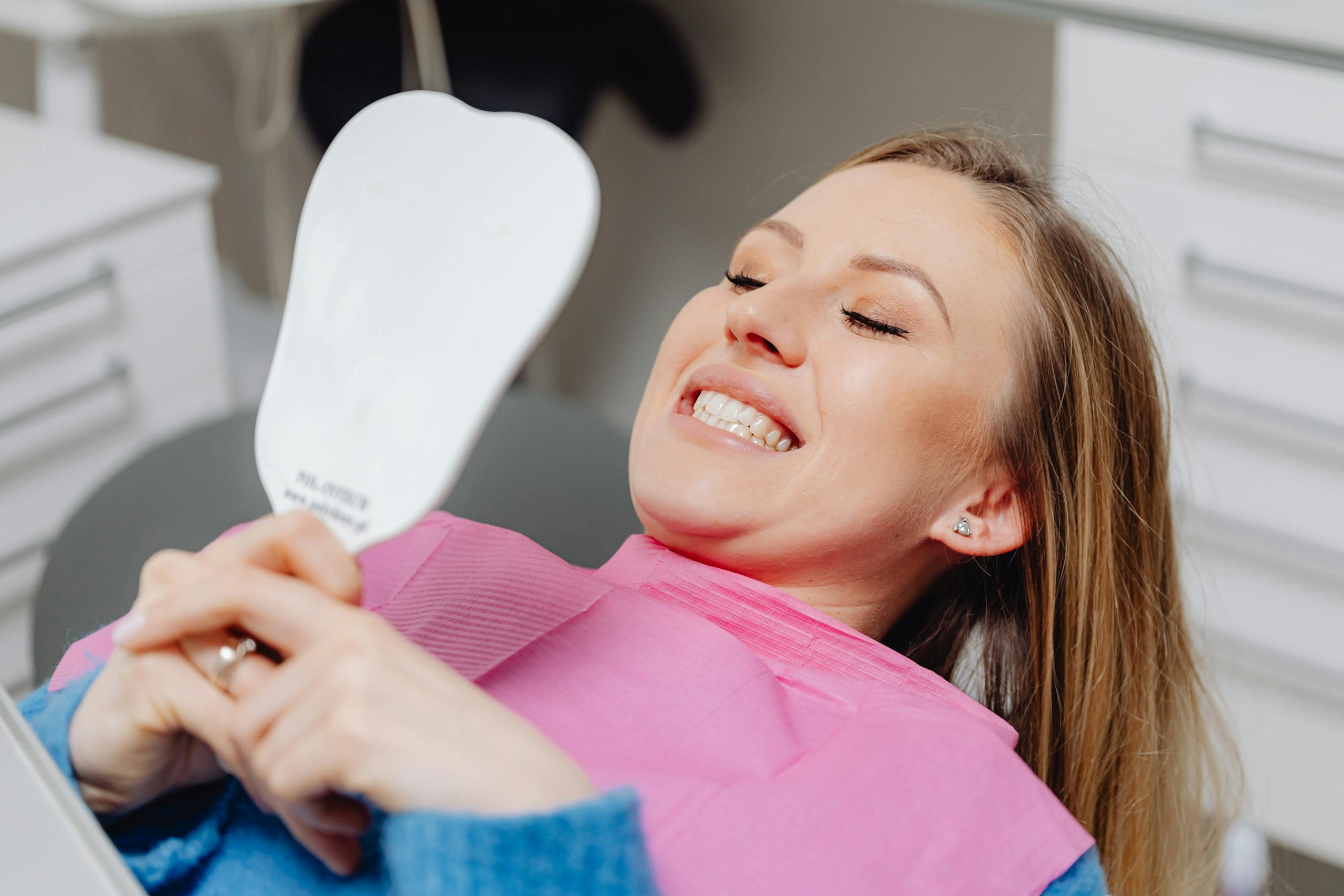
Smile Makeovers in Hamilton: When Veneers, Crowns, Whitening, or Orthodontics Make Sense
What a smile makeover really means
A smile makeover is not a single procedure. It is a planning process.
In practice, that means starting with a careful diagnosis of what is bothering you, what your teeth and gums can safely support, how your bite functions, and whether habits such as grinding or clenching raise the risk of damage later on.
For some patients, the most appropriate option may be whitening or orthodontics. For others, bonding, veneers, crowns, or replacing older restorations may be reasonable. The right choice depends on the diagnosis, not on what is most dramatic in a photo or social media post.
That matters because smile makeover decisions can affect tooth structure for many years. In Ontario, dentists are also expected to avoid misleading advertising, unrealistic expectations, and guarantees in cosmetic care, according to the Royal College of Dental Surgeons of Ontario.
Problems it may address and why diagnosis comes first
Patients usually ask about a smile makeover because of one or more concerns such as:
- Tooth colour or staining
- Chipped or worn edges
- Uneven shape or size
- Small gaps or spacing
- Crooked or rotated teeth
- Older fillings or crowns that no longer match
- Visible wear from grinding or acidic erosion
- Gum display or uneven gumline
Those concerns can look similar from the outside but have different causes. A tooth that looks short may be worn down, may not have erupted fully, or may appear short because of the surrounding gumline. A dark tooth may respond to whitening, or it may need different treatment if the colour change comes from the inside of the tooth or from an older restoration.
That is why records often matter before aesthetic treatment. Depending on the situation, your dentist may recommend photographs, radiographs, a gum and bite assessment, and models or scans. If there is active decay, gum disease, unstable bite wear, or poor plaque control, those issues usually need attention first.
When whitening, bonding, or orthodontics may make sense
In many cases, it is worth discussing lower-intervention options first.
Whitening may be appropriate when the main concern is colour and the teeth are otherwise healthy. Whitening does not change tooth shape, alignment, or the colour of existing fillings, bonding, veneers, or crowns, so the shade result needs to be considered in the context of the whole smile.
Bonding may help with small chips, edge wear, minor shape changes, or limited gaps. It can often preserve more natural tooth structure than a veneer or crown. The trade-off is that composite bonding may stain, chip, or require maintenance over time.
Orthodontics may be the better first step when the real issue is alignment, spacing, or bite position. Moving teeth can sometimes reduce the need for more aggressive restorative treatment later. Orthodontic care is not always quick, but it may be the more conservative choice if the goal can be met by repositioning natural teeth rather than covering them.
None of these options is right for everyone. The key question is whether a lower-intervention approach can safely meet your goal.
When veneers or crowns may be reasonable
Veneers or crowns may be appropriate when tooth shape, wear, fractures, developmental defects, or older restorations cannot be managed well with simpler options.
Veneers are usually considered for the visible front surfaces of teeth when the goal involves shape, colour, contour, or limited correction of spacing and proportion. Veneers can be conservative in selected cases, but they are not harmless and they are not reversible in the everyday sense. Tooth preparation may be irreversible, and the restoration will need maintenance or replacement over time.
Crowns may be more appropriate when a tooth has substantial structural compromise, a large existing restoration, fracture risk, or endodontic history that makes full coverage more reasonable. A crown covers more of the tooth and generally involves more tooth reduction than a veneer, so the indication should be clear.
A conservative treatment plan asks a practical question first: what is the least invasive option that can predictably meet the patient’s goals while respecting function and long-term tooth health?
What drives treatment choice
Several factors influence whether whitening, orthodontics, bonding, veneers, crowns, or a combination makes sense:
- How much healthy enamel remains
- Whether there is active decay or high caries risk
- Gum health and bone support
- Bite stability and how the front and back teeth function together
- Grinding or clenching habits
- Existing fillings, crowns, root canal treatment, or cracks
- Your goals and what would count as a good outcome for you
- Your willingness to maintain the work over time
- Budget and coverage
Patients sometimes come in asking for veneers when the main issue is crowding, or asking for crowns when the tooth may be managed more conservatively. Sometimes the reverse is true. The right answer depends on the condition of the tooth, not just the final look.
What the evidence says about longevity, complications, and maintenance
Veneers and crowns can perform well, but they are not lifetime guarantees.
A systematic review indexed in PubMed reported an estimated 10-year cumulative survival of about 95.5% for porcelain laminate veneers in the included studies. The same review noted that common reasons for failure included fracture, debonding, secondary caries, and the need for endodontic treatment. Fracture and debonding appeared among the more common complications.
For tooth-supported single crowns, a 2026 systematic review and meta-analysis found high 5-year survival rates across several common materials, with differences by material design. In that review, monolithic lithium-disilicate and monolithic zirconia crowns showed fewer ceramic fractures and chipping complications than veneered alternatives. That does not mean one material is superior for every patient, because appearance, bite forces, tooth location, remaining tooth structure, and opposing teeth all matter.
A 2025 consensus statement on minimally invasive ceramic partial coverage restorations and laminate veneers also supported a conservative approach. It concluded that these restorations can have high survival rates and manageable complication profiles, but emphasized that material selection, preparation design, adhesive technique, and long-term maintenance all influence outcomes.
For patients, the practical takeaway is simple: even when the evidence is favourable, aesthetic restorations still age, wear, stain, chip, loosen, or need replacement. The goal is not perfection forever. The goal is a reasonable, well-informed plan that fits your mouth and your priorities.
Why gums, enamel, bite, and grinding matter before aesthetic work
Before any smile makeover treatment, the foundation matters.
Gum health should be stable. If gums are inflamed or periodontal disease is present, the appearance of the smile can change over time and the margins of restorations may be harder to maintain.
Enamel matters because bonding to enamel is generally more predictable than bonding mainly to dentin. A tooth with very little remaining enamel may not be a good veneer candidate in the same way a more intact tooth is.
Bite matters because front teeth often experience complex forces during chewing and guidance movements. If the bite is unstable, a beautiful restoration may still chip or loosen.
Grinding and clenching increase risk. They do not automatically rule out treatment, but they can change the treatment plan and the discussion about maintenance, material choice, and protective appliances.
This is one reason smile makeover planning should feel like a diagnostic conversation, not a sales pitch.
Costs and coverage: what CDCP does and does not cover
Coverage is important to clarify early.
According to the Government of Canada’s Canadian Dental Care Plan Dental Benefits Guide, exclusions include composite or ceramic veneers and cosmetic treatment, including teeth whitening. The guide also notes that coverage decisions are made under specific program rules and that providers should confirm a patient’s coverage before treatment.
That means patients should not assume a smile makeover is publicly funded. Some restorative care may be eligible only if it meets CDCP rules and clinical criteria, while purely cosmetic services may be excluded. If you are relying on public or private coverage, it is sensible to confirm eligibility, limitations, and any preauthorization requirements before starting.
Why informed consent matters
In Ontario, informed consent is a professional responsibility, and it matters especially for elective aesthetic treatment.
Good consent means understanding the diagnosis, the proposed treatment, reasonable alternatives, likely benefits, limitations, risks, future maintenance, and what may happen if you choose no treatment for now. It also means understanding what parts of the result are less predictable, including how teeth and restorations age.
For smile makeovers, realistic expectations are essential. Aesthetic results are not guaranteed, and even well-done restorations may need polishing, repair, or replacement over time.
Questions to ask your dentist before starting
If you are considering a smile makeover, these questions can help keep the discussion practical and informed:
- What is the actual diagnosis behind the appearance I do not like?
- What are my lower-intervention options first?
- Which parts of this plan are reversible, and which are not?
- How much healthy tooth structure would be removed?
- How do my gums, bite, and any grinding habits affect risk?
- What maintenance will this likely need over 5 to 10 years?
- What complications are most relevant in my case?
- Will any existing fillings, crowns, or dark teeth limit the result?
- What is likely covered and what is excluded?
A careful plan usually serves patients best
A smile makeover can be worthwhile when it is guided by diagnosis, function, and clear communication. In many cases, the most conservative option that safely meets the goal is worth discussing first. Veneers and crowns can absolutely be appropriate, but they should be approached as long-term maintenance decisions, not one-time cosmetic purchases.
For Hamilton patients and families, a good next step is to ask for a treatment-planning conversation that starts with records, risks, and alternatives. That approach usually leads to better decisions and fewer surprises later.