Explore Oral Surgery Options Near Durand for Hamilton Residents
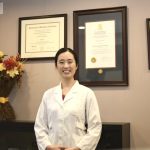
I am Dr. Cindy Li, and I enjoy helping Hamilton families feel confident about their dental health. At Excel Dental, 49 East Avenue South in the heart of Hamilton, I walk patients from Durand and surrounding neighborhoods through oral surgery options with clear explanations, compassionate care, and practical advice so they know what to expect every step of the way.
Common Oral Surgery Procedures at Excel Dental
In my practice I commonly perform extractions, including removal of impacted wisdom teeth, and surgical treatments for teeth that cannot be saved by routine care. I take time to assess each case with a combination of clinical exam and imaging to determine whether a simple extraction or a surgical approach is needed.
I also provide implant placement and related bone grafting when appropriate. Implants can restore function and appearance, and I discuss timing, materials, and what makes a good candidate so patients can make informed choices that fit their health and lifestyle.
For more complex cases—for example when general anesthesia or hospital-based care is advisable—I coordinate referrals to trusted oral surgeons and hospital teams. My priority is ensuring continuity of care and clear communication between all providers.
How I Prepare You for Surgery
Preparation starts with a thorough consultation where I review your medical history, current medications, and any anxiety or previous experiences that might affect treatment. I explain the procedure step by step, answer questions, and outline options for pain management and sedation.
If sedation is chosen, I go over fasting instructions, escort requirements, and what to expect immediately after the procedure. I make sure patients understand risks and benefits in plain language so they feel comfortable and safe.
I also provide practical pre-op instructions you can follow at home, such as arranging transportation and planning time off work when needed. Clear preparation reduces stress and improves outcomes.
What Recovery Looks Like
Recovery varies by procedure, but my focus is on realistic expectations and supportive aftercare. For routine extractions most people have mild discomfort for a few days that is well-managed with over-the-counter pain relievers and cold packs. I give specific instructions for oral hygiene and diet to protect the surgical site.
After more involved surgery or implant placement, swelling and mild bruising can last several days to a week. I schedule follow-up visits to monitor healing, remove sutures if needed, and adjust instructions based on how you are progressing.
If complications arise, such as persistent pain or signs of infection, I encourage patients to contact the office promptly so we can address issues early. Early intervention is often the difference between a simple fix and a more difficult situation.
Choosing an Oral Surgeon Near Durand
When patients from Durand ask whether to have procedures done at Excel Dental or at a specialist, I discuss the complexity of the case, your comfort level, and practical factors like proximity and scheduling. For straightforward extractions and many implant cases I provide care in our clinic. For highly complex surgery I refer to an oral surgeon and remain involved in follow-up.
I recommend looking for providers who communicate clearly, have current credentials, and explain risks and alternatives without pressure. Personal chemistry matters too; trust and a calm team environment make the experience easier.
Accessibility is important for follow-up and emergencies. Our location in Hamilton is convenient for Durand residents, and I always make sure you know how to reach us and what to expect if you need urgent attention after hours.
Costs, Insurance, and Referrals
Dental surgical fees vary with the complexity of the procedure, the materials used, and whether sedation or hospital services are required. In my consultations I provide an itemized estimate and discuss payment options so there are no surprises.
Many patients have private dental insurance that covers part of the cost; I recommend checking your plan in advance and I am happy to help submit claims. For procedures requiring hospital-based care, there may be different billing arrangements and some aspects can be covered by provincial health plans in specific situations.
If referral to a specialist is the best option, I coordinate the transfer of records and communicate directly with the receiving surgeon so the process is smooth. I care about transparency in cost and coordination.
Frequently Asked Questions
Will getting my wisdom teeth removed affect my speech permanently?
In my experience, wisdom tooth removal may temporarily change speech because of swelling or discomfort, but these effects are short lived. Normal speech returns as healing progresses.
How long does it take for an implant to fuse with the bone?
I usually tell patients that osseointegration takes several months, often three to six months, depending on bone quality and overall health. I monitor progress and plan restoration when I see stable integration.
Can I drive myself home after sedation?
No. If you receive moderate or deep sedation, I require a responsible adult to drive you home and stay with you for a period after the procedure. Safety is my priority.
Is bone grafting painful?
Bone grafting can cause discomfort and swelling similar to other oral surgeries. I provide pain control and clear aftercare instructions. Many patients report manageable pain and good healing within a week or two.
How soon can I return to work after oral surgery?
Return-to-work timing depends on the procedure and your job. For minor extractions many people resume light duties within 24 to 48 hours. For more extensive surgery I recommend planning several days off to rest.
Will my private insurance cover oral surgery?
Coverage varies by plan. I encourage patients to review their benefits and I can assist with pre-treatment estimates and claim submissions to help clarify what will be covered.
What signs should prompt me to call the office after surgery?
Call us if you have uncontrolled bleeding, severe increasing pain, fever, or swelling that worsens after 72 hours. In my practice I prioritize these calls to prevent complications.
Are there alternatives to extraction for a badly damaged tooth?
Whenever feasible, I discuss restorative options like root canal therapy and crowns. If a tooth is not savable or endangers surrounding structures, extraction may be the best route. I explain pros and cons so you can decide.
Can I have dental implants if I smoke?
Smoking impairs healing and increases the risk of implant failure. I recommend quitting before implant surgery and provide resources and guidance to improve outcomes.
How do you manage anxiety in patients who are afraid of surgery?
I offer several options, from thorough explanation and gradual exposure to nitrous oxide and oral sedation. We tailor the approach to each patient to make treatment manageable and respectful.
How long do sutures stay in place?
Some sutures dissolve on their own within one to two weeks. If non-dissolving sutures are used, I remove them at a follow-up appointment, typically in five to seven days.
More Information
For reputable information on dental procedures and patient rights, I recommend the Ontario Dental Association at oda.ca for practical patient guides, the Canadian Dental Association at cda-adc.ca for national practice standards and oral health resources, and Ontario’s government site at ontario.ca for health system guidance and provincial health updates. These sites help patients verify recommendations and understand policy, coverage, and oral health maintenance.
If you have questions or want to schedule a consultation at Excel Dental, please call 905-529-2164 and we will be happy to help you find the right oral surgery option for your needs.