Should Old Metal Fillings Be Replaced?

Old metal fillings usually do not need routine replacement just because they are old, silver-coloured, or contain mercury. An exam shows what matters.


Old metal fillings usually do not need routine replacement just because they are old, silver-coloured, or contain mercury. An exam shows what matters.
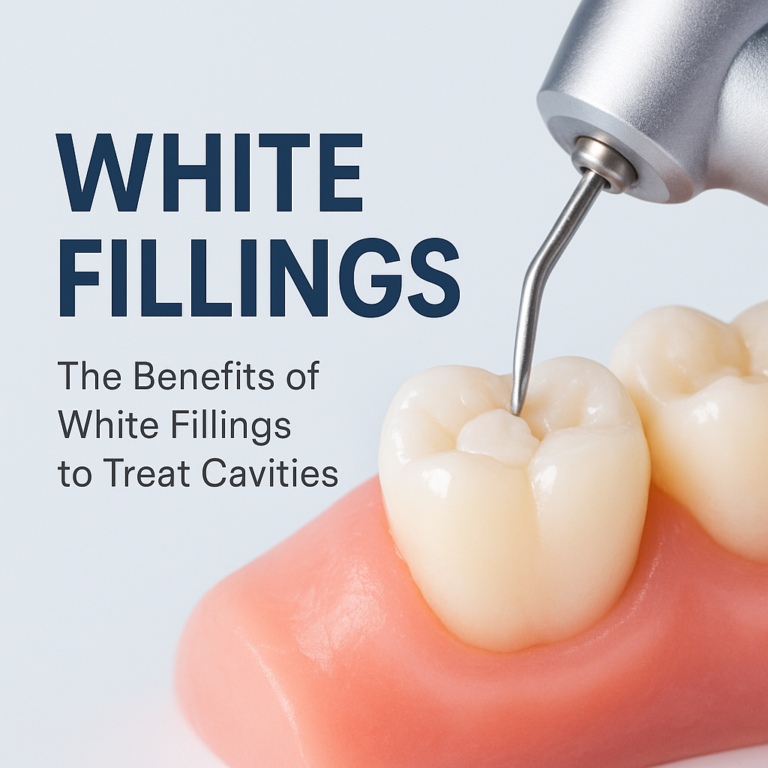
An old crown or large filling does not always need replacement. Dentists check for decay, leaks, cracks, looseness, and tooth support first.

A filling may be enough for a small cavity or chip, but cracks, repeated failure, or too little healthy tooth can make an onlay or crown a better fit. An exam helps decide.
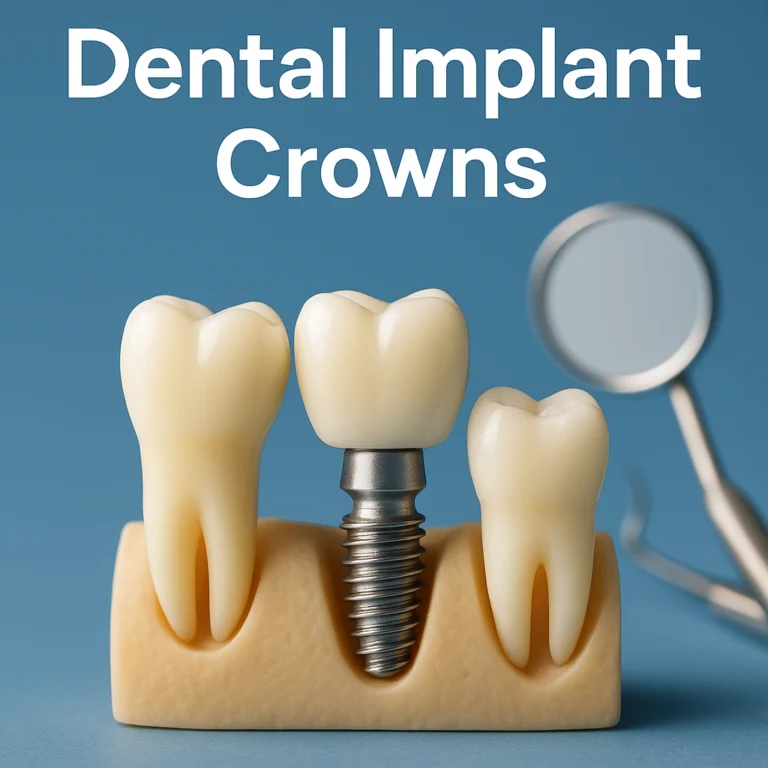
Compare an implant crown, bridge, or partial denture for one missing tooth or a short gap: support needs, cleaning, timeline, and CDCP coverage.
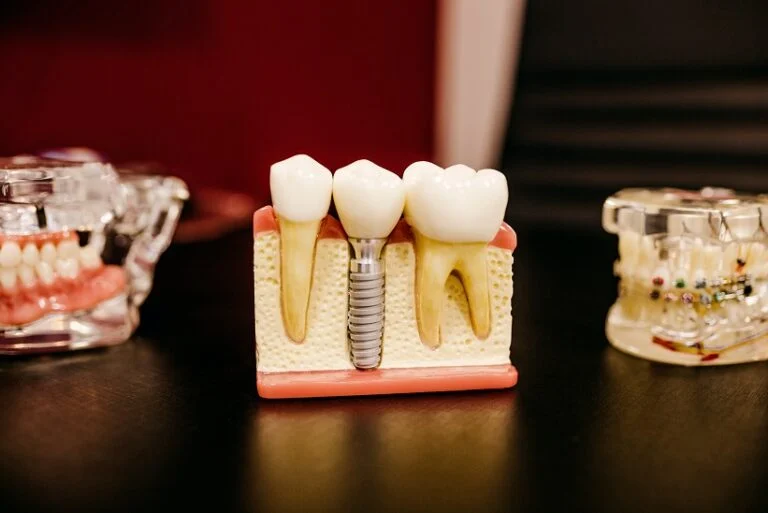
Compare a dental implant, bridge, or removable partial denture with plain-language guidance on nearby teeth, bone, healing, cleaning, and CDCP coverage.

Old silver fillings do not need automatic replacement. Learn when a filling should be rechecked, when replacement helps, and what to ask at the visit.
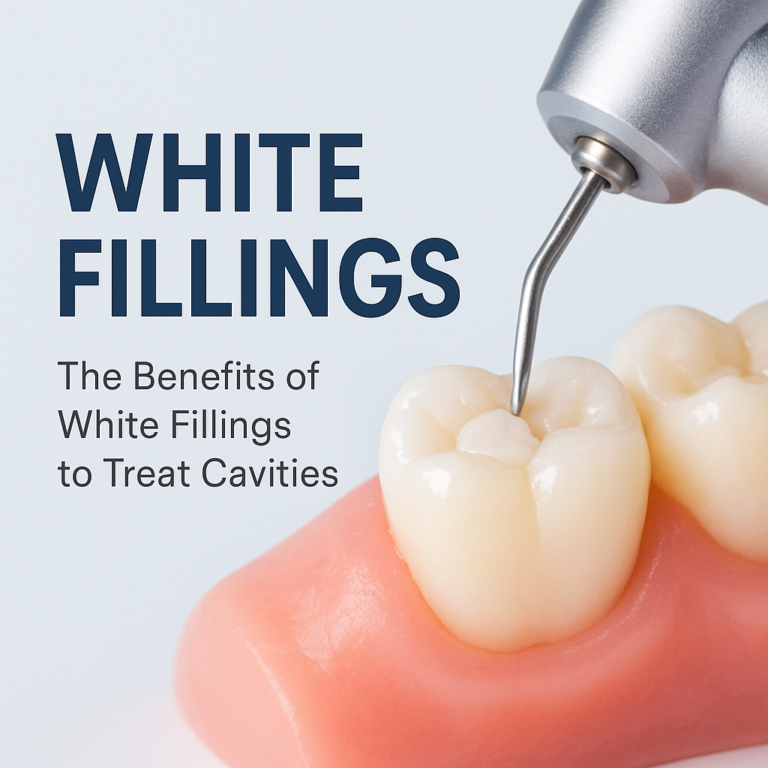
A broken crown or large filling does not always need full replacement. A dentist checks tooth structure, decay, cracks, and bite before choosing repair, onlay, or crown.

A filling can repair smaller damage. A crown may be needed when too little healthy tooth remains, a large filling fails, or a tooth weakens after root canal treatment.

A very deep cavity does not always mean an immediate root canal. In carefully selected permanent teeth, selective caries removal and vital pulp therapy may help save more natural tooth structure. Here is how dentists decide when that may be reasonable, and when root canal treatment is still the better choice.

A broken tooth is not always lost, and it does not always need the same repair. Learn how dentists decide between bonding or a filling, an onlay, a crown, root canal treatment, or extraction based on the crack, the amount of healthy tooth left, and whether the tooth is truly restorable.

A dental buildup helps restore strength to a tooth that has lost structure from decay, fracture, or root canal treatment. Learn when it’s needed, how it works, and what questions to ask your dentist.
End of content
End of content