
Unsure About Your Child’s Toothpaste? What to Bring to a Family Checkup

A toothpaste tube or clear label photo can help you ask specific questions at your child’s checkup. Here’s what else to note about their brushing routine.


Brushing independence is a gradual handoff, not a birthday milestone. Learn when children need help, what to watch as they practise, and which habits carry into adulthood.
A new tooth behind your child’s baby molars may be a first permanent molar. Learn what to notice while brushing and two questions to bring to the checkup.
Whole-person dental care does not require fluoride-free toothpaste. Learn what one adult trial found, where its evidence stops, and what to ask before switching.
Medication-related dry mouth can raise cavity risk. Learn what to mention at a dental visit and how dentists plan fluoride-based prevention.
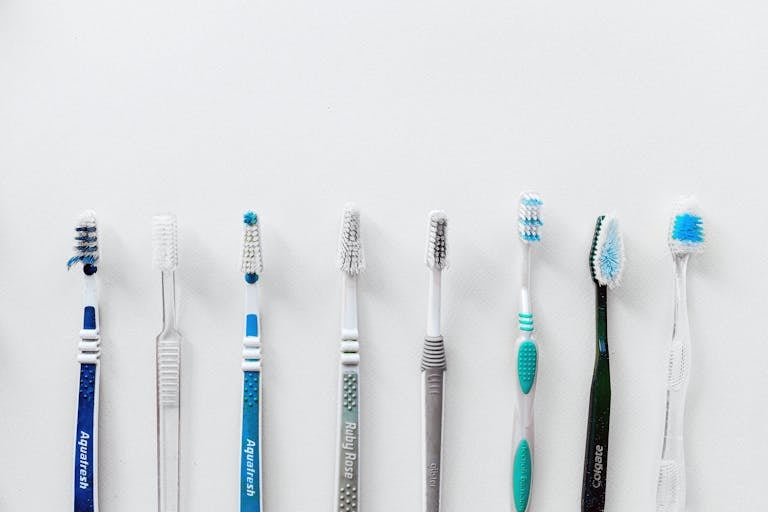
A practical family guide to choosing a toothbrush based on habit, age, and dexterity. The best brush is the one your family will use well twice a day.
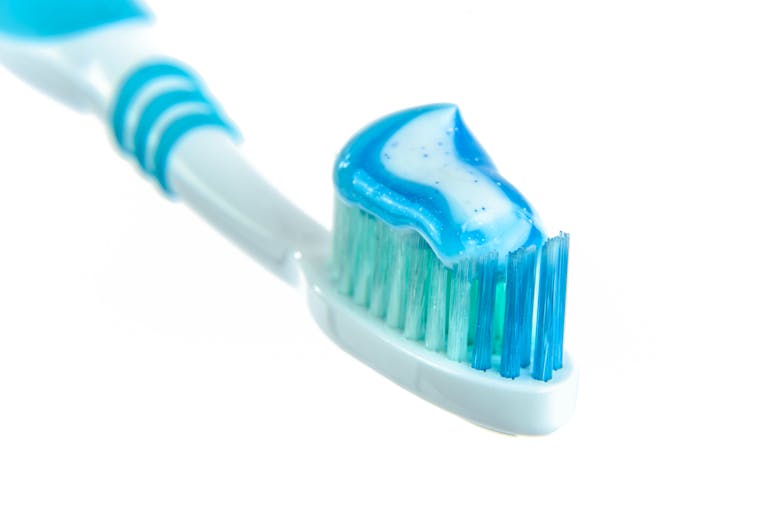
Toothpaste labels can be confusing. This practical guide explains which active ingredients to look for if your main goal is cavity prevention, sensitivity relief, or help with early gum irritation, plus when symptoms mean it is time for a dental exam.
Sensitive gums and early wear usually need gentler brushing, not scrubbing harder. This guide shows the safest brush setup, how to clean along the gumline, what toothpaste to choose, and when lingering sensitivity should be checked.
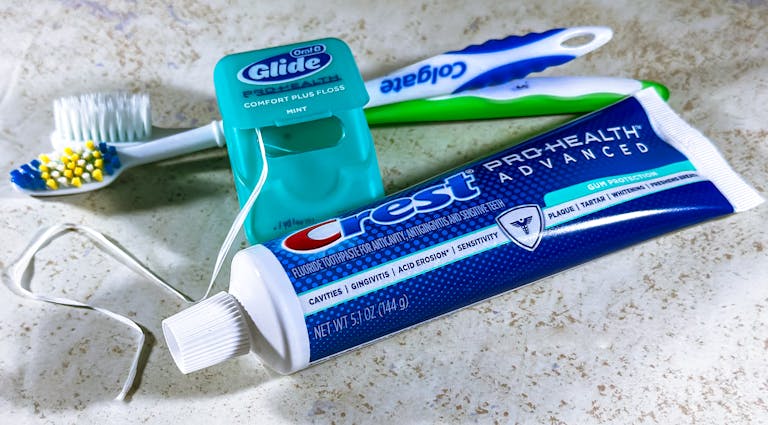
For most families, the biggest dental hygiene wins are still the simplest ones: brush twice a day with fluoride toothpaste, use the right amount for age, floss where teeth touch, and keep preventive visits focused on your own cavity risk. Here is what current Canadian guidance says matters most in 2026.
End of content
End of content