
How to Brush Gently When Gums and Teeth Feel Sensitive
When gums feel sore or teeth feel sensitive, it is natural to want to brush harder. In most cases, that backfires. A firmer hand can irritate the gumline more and may contribute to extra wear on already sensitive areas.
The safest brushing setup
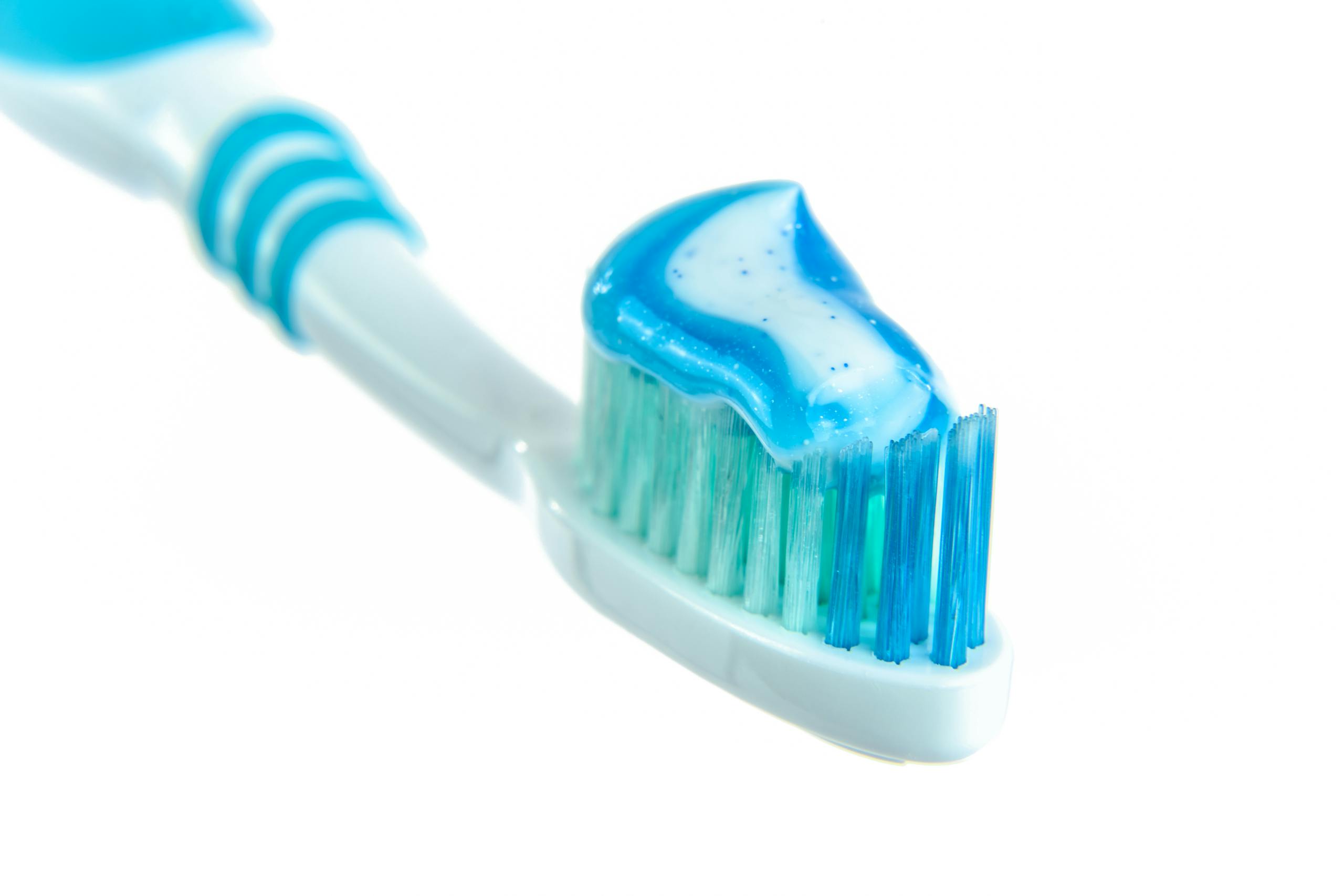
The American Dental Association recommends a soft-bristled toothbrush, gentle pressure, and brushing twice a day for about two minutes. Aim the bristles at about a 45-degree angle toward the gumline, then move the brush in small, controlled motions.
- Use a soft-bristled brush.
- Hold it lightly, like a pen, not in a tight fist.
- Spend time along the gumline, where plaque tends to collect.
- Cover all tooth surfaces: outside, inside, and chewing surfaces.
The goal is thorough cleaning without scrubbing. You do not need heavy force to do a good job.
How to clean along the gumline without scraping it
Place the bristles partly on the tooth and partly on the gumline, then make small, gentle strokes. Move methodically from tooth to tooth instead of pressing harder on the same spot. If your gums are tender, a slower technique is usually safer than a rushed one.
If one area bleeds at first, keep brushing gently. Bleeding that keeps happening, or bleeding that does not settle after a short time, is a reason to book a dental exam.
What to do after acidic drinks, vomiting, or reflux
Acid can temporarily soften the tooth surface. Brushing right away can make softened enamel more vulnerable, so rinse with water first and wait a while before brushing if you can. This matters after things like soda, citrus drinks, vomiting, or reflux.
If this happens often, it is worth discussing the cause with a dentist or physician. The brushing advice is still gentle brushing, not stopping oral care altogether.
Toothpaste choices for sensitivity
Fluoride toothpaste is the standard daily choice for most people. The American Dental Association notes that accepted toothpastes are meant for everyday use when paired with proper brushing, not for forceful scrubbing.
Some desensitizing toothpastes may help, but results vary by ingredient and by person. A review in the Journal of Dentistry found that evidence differs across products, so it may take some trial and observation to see whether a formula helps your teeth.
If one sensitivity toothpaste does not help, that does not mean nothing can help. It may simply mean the cause or the product needs a different approach.
When sensitivity needs a dental exam
Book a dental checkup if you notice any of these:
- Sensitivity that keeps coming back or does not improve
- Visible notches or worn areas near the gumline
- Gum recession that seems to be getting worse
- Bleeding that does not settle with gentle brushing
A dental exam can help sort out whether the issue is gum irritation, exposed root surfaces, enamel wear, or something else that needs individualized care.
A calm next step for Hamilton patients
If you are in Hamilton and the problem keeps returning, Excel Dental can review your brushing technique, look for early wear or gum changes, and help you choose a toothbrush and toothpaste that fit your mouth. A checkup can also confirm whether the sensitivity is something you can manage at home or whether it needs treatment.
Sources
- ADA Toothbrushes
- ADA Toothpastes
- Journal of Dentistry: Desensitizing Toothpastes Review
- Public Health Ontario Oral Health
- NICE Oral Health Promotion in General Dental Practice
- Pubmed
- Pubmed
- Pubmed
This article is for general education only and does not replace personalized advice, diagnosis, or treatment from a licensed dentist.