
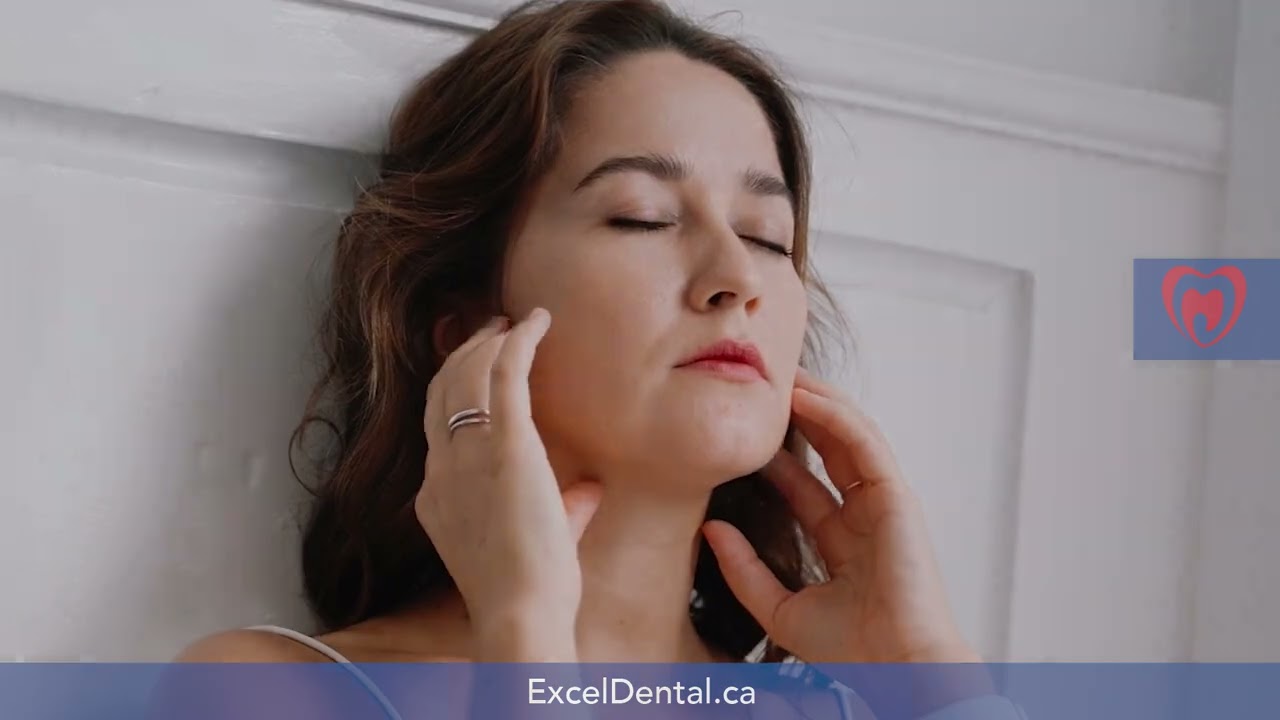
Sleep Bruxism and Tooth Damage: When a Night Guard Helps and When a Sleep Assessment Matters
When teeth keep wearing or breaking, is a guard enough?
That is a common and important question. Many patients come in because they have flattened teeth, chipped edges, cracked enamel, sore jaw muscles, or crowns and fillings that seem to break too often. Sometimes sleep bruxism is part of the picture. Sometimes it is not the only factor.
In plain language, sleep bruxism means clenching, grinding, or other jaw muscle activity during sleep. It is different from daytime clenching habits, which often happen during stress, concentration, driving, screen use, or exercise. Daytime clenching may be more within your awareness. Sleep bruxism usually is not.
The practical goal in dentistry is not to guess. It is to look at the pattern carefully, understand what is most likely happening, and protect your teeth while also asking whether anything else, including sleep-related breathing problems, may need attention.
What sleep bruxism can damage
Sleep bruxism can place repeated force on teeth, restorations, and jaw muscles. In some people, that force is mild. In others, it is enough to create ongoing damage over time.
Common patterns that may raise concern include fresh wear facets where upper and lower teeth match, chipped front edges, fractured cusps on back teeth, craze lines and cracks, broken fillings, loose or broken crowns, and soreness in the chewing muscles on waking. Some patients also describe morning jaw tightness, limited opening at first, temple-area fatigue, or a sense that they were clenching overnight.
Not every patient with sleep bruxism has pain. Not every patient with worn teeth is actively grinding now. That distinction matters for treatment planning.
Why tooth wear alone does not prove active grinding
Tooth wear is a finding, not a diagnosis by itself. Teeth can wear down for several reasons. Sleep bruxism is one possibility, but so are acid erosion from reflux or acidic drinks, abrasion from aggressive brushing or abrasive products, and normal aging-related wear over many years.
Older wear may also reflect grinding that happened in the past rather than active bruxism now. That is one reason a careful exam matters. A dentist looks at the shape, location, freshness, and pattern of wear, along with cracks, muscle symptoms, history, and changes over time.
The recent systematic review on diagnosis of bruxism in adults noted that polysomnography, or formal sleep-lab testing, is the reference standard for diagnosing sleep bruxism. In everyday dental care, however, diagnosis is usually based on a combination of history and clinical findings rather than routine sleep testing.
How dentists assess likely sleep bruxism in everyday practice
In a dental office, assessment usually starts with the story. Has a sleep partner heard grinding sounds? Do you wake with jaw soreness, tight muscles, or headaches? Have teeth, fillings, or crowns started breaking more often? Are there daytime clenching habits as well?
Next comes the clinical exam. Your dentist may look for matching wear facets, fresh enamel chipping, fractures, muscle tenderness, tongue or cheek indentations, mobility, recession patterns, and signs that restorations are taking heavy load. Photos, study models, or digital scans may help monitor whether damage is active and progressing.
This approach is practical and often very useful, but it does have limits. The evidence summarized in the diagnosis systematic review supports being careful with certainty. Without instrumental sleep testing, dentists are often identifying probable sleep bruxism rather than proving exactly how much bruxism activity is happening during sleep.
What a night guard can help with
A night guard, also called an occlusal appliance or bruxism guard, is usually best understood as a protective device. Its main job is to help reduce damage to teeth and restorations from heavy nighttime forces.
For many patients, that can be very worthwhile. A well-designed custom guard may help protect enamel, reduce the risk of chipped edges and fractured dental work, and sometimes lessen muscle soreness or jaw fatigue. It can also help distribute forces more evenly and give the dentist a safer way to monitor whether heavy loading is continuing.
The key point is that a guard mainly protects. It should not be described as a guaranteed way to stop grinding at its source.
The recent CRANIO systematic review of occlusal appliances and sleep bruxism suggests that appliances may influence some outcomes, but the evidence does not support oversimplified claims that they reliably eliminate sleep bruxism activity. A 2025 systematic review of bruxism treatment outcomes also found that treatment evidence is heterogeneous, meaning results vary across studies and treatments, and reducing the underlying bruxism activity is less certain than protecting teeth from its effects.
What a night guard does not reliably do
A night guard does not diagnose the cause of your grinding. It does not reliably prove that bruxism has stopped. It does not replace a careful evaluation of tooth wear, fractures, bite loading, muscle symptoms, stress-related daytime habits, or possible sleep concerns.
It also should not be presented as a treatment for every sleep disorder. This is especially important when snoring, gasping, or significant daytime sleepiness are part of the story.
Why a bruxism guard is not the same as a sleep apnea appliance
Patients sometimes assume that any appliance worn at night is basically the same. It is not.
A protective bruxism guard is made to help shield teeth and restorations from force. A custom oral appliance for diagnosed snoring or obstructive sleep apnea is a different type of device with a different purpose. These appliances are typically designed to reposition the jaw in a controlled way to help support the airway during sleep.
The Canadian Dental Association position statements and the ADA Evidence Brief on Oral Appliances for Sleep-Related Breathing Disorders both help make this distinction clear. The ADA evidence brief notes that for obstructive sleep apnea, custom-made, titratable devices can improve outcomes in selected adult patients, typically within appropriate diagnosis and ongoing oversight. That is different from simply making a guard for tooth protection.
In other words, a bruxism guard is not automatically an airway appliance, and an airway appliance should not be prescribed as a casual substitute for proper sleep assessment.
When airway symptoms change the conversation
If tooth damage or suspected grinding comes with certain sleep symptoms, it is worth broadening the discussion. Important red flags include loud snoring, witnessed breathing pauses, gasping or choking during sleep, significant daytime sleepiness, unrefreshing sleep, waking with a dry mouth, and morning headaches.
These symptoms do not prove obstructive sleep apnea, but they do make it reasonable to ask whether a medical sleep assessment is appropriate.
The relationship between sleep bruxism and obstructive sleep apnea is complex. A recent systematic review on sleep bruxism and obstructive sleep apnea found that the association is mixed and not strong enough for blanket assumptions. So it would be inaccurate to say that grinding always means sleep apnea, or that sleep apnea always causes grinding. Still, when airway red flags are present, it is sensible not to ignore them.
Why this matters for whole-person care
As dentists, we often see the tooth damage first. That does not mean every case is primarily a dental problem. Sometimes the right plan is strictly dental protection and monitoring. Sometimes it also includes medical sleep assessment because the history suggests that breathing during sleep may need closer review.
This is a good example of whole-person oral health care done carefully. The mouth may show the consequences of heavy nighttime forces, but the next step should still be based on evidence, symptoms, and individual risk, not assumptions.
Practical next steps for Hamilton patients
If you live in Hamilton and you are noticing worn teeth, cracked enamel, broken dental work, or morning jaw symptoms, a good starting point is a dental exam focused on damage patterns and risk factors.
Your visit may include a review of your symptoms, sleep history, daytime clenching habits, restorations, muscle tenderness, and whether there has been progression over time. If the damage pattern fits, a custom protective appliance may be part of the plan.
If you also report loud snoring, witnessed pauses, gasping, waking dry mouth, morning headaches, unrefreshing sleep, or marked daytime sleepiness, it may be appropriate to discuss referral to your physician or a sleep clinic for further assessment. In some cases, the best care path involves both dental protection and medical sleep care.
Questions to ask next
If you are unsure what is driving the problem, these questions can help guide the conversation:
- Do my teeth show signs of active heavy loading, or mostly older wear?
- Could acid erosion, brushing habits, or aging be part of the wear pattern too?
- Would a custom night guard mainly protect my teeth, or is there evidence it may help my symptoms as well?
- What kind of damage are we trying to prevent, such as cracks, chipped edges, or broken crowns?
- Do my sleep symptoms suggest I should speak with my physician or consider a sleep assessment?
- If I need both tooth protection and sleep evaluation, what should happen first in my case?
The bottom line
A dentist can often identify likely sleep bruxism clinically, but the signs need context. Tooth wear alone is not enough to diagnose active grinding. A night guard is usually about protecting teeth and dental work, not reliably stopping bruxism itself. And if grinding comes with snoring, gasping, daytime sleepiness, dry mouth on waking, or morning headaches, it is wise to ask whether a sleep assessment also matters.
For many patients, the best answer is not either dental care or sleep care. It is a thoughtful plan that looks at both when the history supports it.
Sources
- CDA Position Statements
- ADA Evidence Brief on Oral Appliances for Sleep-Related Breathing Disorders
- CRANIO Systematic Review of Occlusal Appliances and Sleep Bruxism
- Bruxism Treatment Outcomes Systematic Review
- Systematic Review on Sleep Bruxism and Obstructive Sleep Apnea
- Systematic Review on Diagnosis of Bruxism in Adults
- Rcdso
- Pubmed
- Pubmed
- Ncbi
This article is for general education only and does not replace personalized advice, diagnosis, or treatment from a licensed dentist.