Supportive dental care to keep North End Hamilton waterfront smiles healthy
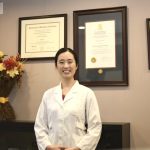
I am Dr. Cindy Li, and I enjoy helping Hamilton families feel confident about their dental health. From my practice near the North End waterfront, I focus on supportive care that keeps teeth and gums healthy so people can smile comfortably and eat well through every stage of life.
Preventive and supportive care
Prevention is the foundation of what I do. Regular exams, professional cleanings, and tailored home-care advice allow me to catch small problems before they become painful or expensive. I spend time with each patient reviewing their brushing and flossing routine and suggesting simple adjustments that fit their lifestyle.
I also monitor how medical conditions and medications affect oral health. High blood pressure, diabetes, and certain prescriptions can change the mouth’s environment, so I coordinate care with other health providers when needed. My goal is to keep routine care straightforward and effective so visits are something you look forward to rather than avoid.
Gum health and periodontal maintenance
Gum disease is one of the most common reasons people lose teeth, but it is preventable and manageable. I evaluate gum pockets, inflammation, and bone support at every visit. For early disease we focus on firm home care and targeted cleanings; for more advanced cases I offer scaling and root planing and a maintenance schedule that reduces future risk.
I find patients respond best when they understand the connection between gum health and overall health. I explain findings in plain language, show photos when helpful, and set realistic goals so progress is measurable and encouraging.
Restorative treatments and tooth replacement
When teeth need repair, I choose materials and techniques that restore function and aesthetics while preserving healthy tooth structure. I provide fillings, crowns, and onlays designed to withstand normal chewing in the Hamilton lifestyle. I use digital tools to plan work precisely and to minimize repeat visits.
For missing teeth I discuss predictable replacement options that support chewing and prevent shifting of neighboring teeth. I will walk you through the pros and cons, expected timelines, and maintenance so you can make an informed decision that suits your health and budget.
Gentle family dentistry for all ages
I enjoy caring for children and adults alike. With kids I focus on positive first experiences and early prevention so they build lasting habits. With adults and seniors I address functional concerns, sensitivity, and wear that accumulate over time. I tailor communication and treatment plans to each age group so everyone feels respected and comfortable.
If family members prefer to see the same provider, I coordinate appointments and education so caregivers can reinforce care at home. My team and I strive to create a calm, friendly environment where questions are welcome and treatment is explained clearly.
Managing dental anxiety and comfort
Many people feel nervous about dental visits, and I take that seriously. I use a stepwise approach: we discuss concerns openly, offer breaks during procedures, and use topical and local anesthetics to control discomfort. I check in frequently during treatment to make sure you are comfortable.
For those with more severe anxiety, we plan visits in shorter steps and develop coping strategies together. My priority is to build trust so patients can get the care they need without fear.
Urgent dental issues and same-day support
Tooth pain or a broken restoration can be disruptive, especially near the busy waterfront. I make time for urgent problems and provide same-day or next-day appointments when possible to relieve pain and stabilize the situation. Initial care often focuses on pain control and protecting remaining tooth structure.
After emergency relief, we schedule definitive treatment and discuss ways to prevent recurrence. I find that swift attention and clear next steps help patients feel reassured and back to normal quickly.
How often should I come in for a cleaning and checkup?
I recommend most patients visit every six months for a cleaning and exam, though people with gum disease, certain medical conditions, or high decay risk may need more frequent visits. I’ll tell you what I think is best after reviewing your oral health.
Are dental X-rays safe, and how often will I need them?
Dental X-rays use very low radiation and are safe when used appropriately. I take X-rays based on your clinical needs and risk factors, not routinely at every visit. I explain why a specific image is helpful before taking it.
What can I do about sensitive teeth?
Sensitivity often responds well to a combination of measures: a sensitivity toothpaste, fluoride treatments in the office, and checking for things like enamel wear or gum recession. I evaluate the cause and tailor treatment so you can enjoy hot and cold foods again.
I have gum bleeding—should I be worried?
Bleeding gums usually indicate plaque-driven inflammation. I recommend a cleaning and a review of home care. If bleeding persists or you have deep pockets, we look further for periodontal disease and create a maintenance plan to stop progression.
Are tooth-colored fillings as strong as older materials?
Modern tooth-colored restorations are durable for most everyday needs and match tooth shade for a natural look. For larger restorations I discuss alternatives like onlays or crowns that provide added strength while preserving your smile.
What are my options if I’m missing a tooth?
Options generally include fixed bridges, removable partial dentures, or dental implants. I explain how each works, the timeline, and the maintenance involved so you can choose what fits your health goals and budget.
Is it too late to improve my smile as an adult?
It is almost never too late. Cosmetic options such as whitening, veneers, and conservative restorations can improve appearance while addressing function. I always balance esthetics with long-term oral health.
How do medications affect my oral health?
Many medications cause dry mouth or change gum response, which increases decay and gum disease risk. I review your medications, suggest saliva-supportive measures, and adjust preventive care to reduce these risks.
What should I do if my child has a knocked-out tooth?
If a permanent tooth is knocked out, try to keep it moist and see me or an emergency clinic immediately—time matters. For baby teeth I recommend seeing us to assess the injury and ensure no damage to developing teeth.
Do you offer care for seniors with complex medical issues?
Yes. I coordinate with caregivers and physicians when systemic health or mobility affects dental care. We focus on comfortable, practical plans that preserve function and quality of life.
More information about dental health and Ontario-specific guidance can be found at the Ontario Dental Association (oda.ca), which offers patient-friendly resources on prevention and treatment, and at the Canadian Dental Association (cda-adc.ca), which provides national guidance and oral health topics. The Government of Ontario site (ontario.ca) also offers useful information about public health programs and eligibility criteria for dental services.
If you live near the North End and would like a friendly, practical plan to keep your smile healthy, please call 905-529-2164 to book an appointment.