Protect Your Smile with Preventive Dental Care Near Durand in Hamilton
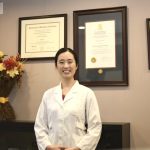
I am Dr. Cindy Li, and I enjoy helping Hamilton families feel confident about their dental health. If you live near Durand, I welcome you to Excel Dental at 49 East Avenue South, Hamilton, ON L8N 2T5, where my focus is on preventing problems before they start so you can keep a healthy, comfortable smile for life.
Why preventive care matters
Preventive dental care saves time, discomfort, and money by catching small issues before they become big ones. In my experience, patients who attend regular checkups and follow simple daily habits avoid the majority of cavities, gum problems, and unexpected emergencies.
Prevention also preserves natural tooth structure. When I see a patient early, treatment is often minimally invasive, which helps maintain strong teeth and reduces the need for complex work later. I enjoy guiding people through that process and watching long-term improvements in their oral health.
Routine checkups and professional cleanings
I recommend routine dental exams at intervals tailored to each patient. For many adults, that means a checkup and cleaning every six months, but some people with higher risk factors may need more frequent visits. During exams I assess gums, teeth, bite, and soft tissues to build a full picture of oral health.
Professional cleanings remove plaque and hardened tartar that brushing and flossing alone cannot eliminate. I find that patients immediately notice the fresher feeling and cleaner look after a scaling and polishing. Cleanings also reduce inflammation and help prevent gum disease progression.
Fluoride, sealants, and early decay prevention
Fluoride treatments are a simple, effective tool I use to strengthen enamel and reduce decay risk, especially for children and patients with sensitivity or dry mouth. The topical fluoride I provide in the office complements the fluoride found in many municipal water supplies in Ontario.
Dental sealants are a protective coating I often apply to the chewing surfaces of molars to block out food and bacteria. In my practice, sealants are an excellent preventive step for children and for adults with deep grooves in their teeth. They are quick to place and can last for several years with routine care.
Oral cancer screening and gum health
Each appointment includes an oral cancer screening because early detection makes a big difference. I examine the tissues of the mouth, tongue, and throat for any changes and discuss risk factors like tobacco use or excessive alcohol. If I see anything of concern, I arrange prompt follow-up or referral.
Gum health is central to overall oral wellness. I evaluate gum pockets, bleeding, and bone levels to identify gingivitis or periodontitis. When I spot early signs of gum disease, I work with patients on deep-cleaning options and practical home-care adjustments that lead to noticeable improvement.
Personalized home care and patient education
I believe prevention is a team effort between the dental office and your home routine. I take time to demonstrate brushing and flossing techniques, recommend tools like interdental brushes or floss tailored to your needs, and set realistic goals you can follow daily.
For patients with specific concerns—sensitivity, dry mouth, or dietary risks—I create customized plans that include product recommendations and follow-up. My aim is to make oral care simple, effective, and sustainable for your lifestyle.
Preventive care for children and teens
I enjoy working with young patients and their parents to establish positive dental habits early. Regular visits let me monitor development, advise on teething and eruption patterns, and use preventive measures like fluoride and sealants to protect permanent teeth.
I focus on making visits friendly and informative so children build trust and understand the importance of oral hygiene. When parents see how I involve kids in planning care, they often tell me their children are more cooperative at home brushing and flossing.
How we make visits comfortable
Anxiety about dental visits is common, and I take it seriously. I explain procedures clearly, answer questions, and move at a pace that feels right for each patient. Small adjustments, such as breaks, extra numbing options for those who need them, or distraction techniques, make a big difference for nervous patients.
Our team aims to create a calm environment from the moment you call to schedule until you leave the office. Comfort and clear communication are part of preventive care because people who feel comfortable are more likely to keep up with regular visits.
FAQ
How often should I see the dentist?
I generally recommend a checkup and cleaning every six months for most patients. If you have gum disease, high decay risk, or other medical conditions, I may suggest more frequent visits to keep closely monitored.
Are fluoride treatments safe for my child?
Yes. In my practice fluoride is applied in controlled amounts appropriate for age. Fluoride helps strengthen enamel and reduce cavities, and I discuss proper home use to keep it safe and effective.
What are dental sealants and who needs them?
Sealants are thin coatings applied to the chewing surfaces of molars to prevent decay in deep grooves. I often recommend them for children when permanent molars erupt and for adults with susceptible chewing surfaces.
My gums bleed when I brush. Is this normal?
Bleeding gums are a common sign of inflammation or early gum disease. I evaluate the cause during your visit and provide cleaning and home-care instructions that usually resolve bleeding when followed.
Are X-rays necessary at every visit?
Not always. I tailor radiographic exams based on your history, risk profile, and symptoms. X-rays are valuable for spotting decay between teeth and assessing bone health when needed.
How can I help prevent cavities at home?
Consistent twice-daily brushing with fluoride toothpaste, daily interdental cleaning, a balanced diet low in frequent sugary snacks, and regular dental visits are my top recommendations.
Is preventive care covered by dental insurance?
Many insurance plans do cover routine exams and cleanings at a high percentage. I encourage patients to check with their plan, and our front desk can help estimate coverage and out-of-pocket costs.
What should I do for a dental emergency?
If you have severe pain, swelling, or a knocked-out tooth, call our office right away. I prioritize urgent issues and give clear steps to manage pain and protect the tooth until you can be seen.
Can preventive care help with bad breath?
Often yes. Chronic bad breath can come from plaque buildup, gum disease, or dry mouth. I evaluate possible causes and recommend cleaning, hygiene changes, or treatments that usually improve breath.
At what age should my child have their first dental visit?
I recommend a first visit by the time the first tooth appears or by their first birthday. Early visits help prevent problems and make future care easier for both children and parents.
I have sensitive teeth. Are there preventive options?
Yes. We can assess the cause and offer tailored solutions such as desensitizing treatments, fluoride varnishes, and guidance on toothpaste and technique to reduce sensitivity.
Does pregnancy affect dental care?
Routine preventive care is important during pregnancy. I provide safe cleanings and necessary treatments, and I work with your obstetrician if any special considerations are needed.
Can diet affect my oral health?
Absolutely. Frequent snacking on sugary or acidic foods increases decay risk. I discuss simple dietary adjustments that protect teeth while still fitting your family’s habits.
How do I know if my child needs sealants?
When permanent molars emerge, I evaluate the tooth anatomy and cavity risk. If grooves are deep and cleaning is difficult, I often recommend sealants to protect those surfaces.
More information
For reliable guidance on oral health and preventive dentistry in Ontario, I recommend visiting the Ontario Dental Association at https://oda.ca for patient resources and preventive tips, the Government of Ontario site at https://ontario.ca for public health information, and the Canadian Dental Association at https://www.cda-adc.ca for national position statements and patient fact sheets. These sites provide practical advice and evidence-based recommendations that complement the care I offer at my office.
If you live near Durand and want to discuss preventive options or schedule a visit, please call us at 905-529-2164 — I look forward to helping you protect your smile.