Preventive Dental Care Near Ainslie Wood Hamilton for Lasting Health
Regular, thoughtful checkups and cleanings close to home can make it much easier for Ainslie Wood and Hamilton residents to avoid painful dental problems, keep treatment costs manageable, and protect overall health, all without having to travel far from the neighbourhoods where you live, work, or study.
Why Preventive Dental Care Matters for Hamilton Patients
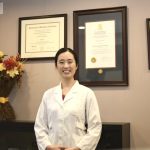
I am Dr. Susan Pan, and I care deeply about helping Hamilton-area patients feel comfortable and confident about their oral health. Preventive care is one of the most powerful tools we have to keep your smile healthy and to avoid dental emergencies that can disrupt work, school, and family life.
Good prevention does more than protect teeth. Gum disease has been linked to conditions like diabetes, heart disease, and complications in pregnancy. By keeping your mouth healthy, you also support your overall well-being. For many patients, that starts with simple, consistent habits and regular visits to a trusted dental office.
In Hamilton, I see how busy schedules, commuting, and family responsibilities can push dental visits to the bottom of the list. Choosing a nearby office that focuses on prevention makes it much more realistic to stay on track.
What Preventive Dental Care Includes
Preventive dental care is everything we do to keep problems from starting or from becoming more serious. Some of this happens at home, and some happens in the dental chair.
In my practice, preventive care commonly includes:
- Thorough checkups and digital X‑rays when needed
- Professional cleanings to remove plaque and tartar
- Fluoride treatments to strengthen enamel
- Sealants for cavity-prone back teeth
- Oral cancer screenings
- Personalized home care coaching
For children, prevention often focuses on cavity control and healthy habits. For adults, we pay close attention to gum health, tooth wear, and early signs of cracks or restorations starting to fail. For older adults, prevention may also involve protecting existing dental work and supporting dry mouth or medical conditions.
How Often Should You Visit for Preventive Care?
Most Hamilton patients do best with a checkup and cleaning every 6 months. This timing works well for catching early changes and keeping tartar build-up under control.
I may recommend more frequent visits, often every 3 to 4 months, if you:
- Have a history of gum disease
- Build up tartar quickly
- Have diabetes or certain heart conditions
- Smoke or vape
- Wear complex dental restorations or implants
If your mouth is very stable and healthy, I sometimes suggest a slightly longer interval, but I always base it on your specific situation rather than a one-size-fits-all schedule.
Daily Habits That Protect Your Smile
The most important preventive work usually happens in your own bathroom. Consistent, simple habits are far more effective than occasional bursts of effort.
I typically recommend:
- Brushing twice a day with a soft-bristled brush and fluoride toothpaste
- Cleaning between your teeth once a day, with floss or small interdental brushes
- Using a fluoride rinse if you are cavity-prone or have dry mouth
- Wearing a nightguard if you clench or grind your teeth
- Drinking water frequently, especially if you sip coffee, tea, or sugary drinks
What you eat and drink also matters. Limiting sugary snacks, sports drinks, and frequent sipping on sweetened beverages can dramatically reduce the risk of cavities, especially for children and teens.
Benefits of Early Detection and Intervention
Catching a problem early almost always means simpler, more comfortable, and less costly care. A small cavity can often be repaired with a modest filling. Left alone, it can progress to a deep infection that requires root canal treatment or even removal of the tooth.
With regular preventive visits, I can:
- Spot tiny cavities before they cause pain
- Identify early gum inflammation before it leads to bone loss
- Notice cracks or worn areas before a tooth fractures
- Monitor changes in the soft tissues for signs of oral cancer
Early detection gives you more choices, more time to plan, and a better chance of keeping your natural teeth healthy for life.
Preventive Care for Children and Teens
Children in Ainslie Wood and across Hamilton benefit greatly from a comfortable, positive introduction to dental care. At Excel Dental, I aim to make those early visits friendly and relaxed so kids feel safe and curious, not anxious.
Preventive care for younger patients often includes:
- Fun, age-appropriate cleanings and checkups
- Fluoride applications to strengthen growing teeth
- Sealants on permanent molars to help prevent cavities
- Guidance for parents on brushing, flossing, and diet
- Monitoring jaw and tooth development as they grow
For teens, I pay particular attention to wisdom teeth, sports-related tooth injuries, and lifestyle risks such as sugary drinks or vaping. These years are foundational for habits that can last well into adulthood.
Supporting Oral Health in Adults and Seniors
Adult and senior patients often face different challenges, including gum disease, old fillings, missing teeth, or medication-related dry mouth. Preventive care in these years is about maintaining comfort, function, and confidence.
In my practice, I focus on:
- Managing gum health to help preserve bone and teeth
- Monitoring older fillings, crowns, and bridges for early problems
- Helping with dry mouth, which can increase cavity risk
- Supporting patients with medical conditions that affect oral health
- Offering gentle techniques for those with sensitive teeth or mobility issues
For seniors, staying comfortable with eating, speaking, and smiling can greatly affect social life and nutrition. Preventive visits help us address small changes before they interfere with daily living.
What to Expect at a Preventive Visit at Excel Dental
When you come to see me at Excel Dental on East Avenue South, my first priority is to understand your concerns and your goals for your mouth and smile.
A typical preventive visit may include:
- A conversation about your health history, medications, and any symptoms
- Digital X‑rays if needed, to see areas not visible to the naked eye
- A gentle but thorough cleaning with removal of plaque and tartar
- An examination of teeth, gums, and soft tissues
- An oral cancer screening
- Time to review findings and answer your questions
I always explain what I see in clear language and walk you through any recommended next steps. I encourage patients to ask questions at any point so we can make a plan that feels right for you.
How Preventive Care Saves Time, Discomfort, and Money
Investing in prevention may feel like “one more appointment” on a busy calendar, but it usually saves significant time and expense in the long run.
Regular preventive care can:
- Reduce the likelihood of emergency visits for pain or infections
- Help you avoid more complex procedures
- Preserve more natural tooth structure over your lifetime
- Reduce missed work or school due to dental problems
Many Hamilton patients are surprised at how much easier life becomes when nagging dental issues are addressed early or never develop at all.
FAQ: Preventive Dental Care Near Ainslie Wood, Hamilton
How often should I book a cleaning if I have “good teeth”?
Even if you rarely get cavities, I usually recommend a cleaning and checkup every 6 months. This timing helps catch hidden problems and keeps your gums healthy.
My teeth don’t hurt. Do I really need a checkup?
Pain is often a late sign of dental trouble. I frequently find issues in patients who feel no symptoms yet. Early visits allow me to treat problems while they are still small and easier to manage.
At what age should I bring my child for a first visit?
I recommend a first visit around age 1, or within 6 months of the first tooth appearing. Early visits are usually brief and gentle, and they help your child get used to the dental environment.
I am nervous about dental visits. Can preventive care still work for me?
Yes. Many of my patients feel anxious. I take time to explain each step, move at a pace that is comfortable, and use techniques to make visits as easy as possible. Regular preventive appointments can actually reduce anxiety by avoiding crisis situations.
Are fluoride treatments really necessary for adults?
For many adults, I recommend fluoride, especially if you have a history of cavities, gum recession, or dry mouth. It helps strengthen enamel and can significantly lower your risk of decay.
What can I do about bleeding gums when I brush?
Bleeding is often a sign of gum inflammation. I recommend a thorough evaluation so I can check for gum disease. In many cases, improved home care and a professional cleaning can greatly reduce or stop the bleeding.
Is it worth getting sealants for my child’s teeth?
Sealants can be very helpful for protecting the deep grooves of back teeth where food and bacteria tend to collect. In my experience, they are a simple, effective way to reduce cavities in children and some teens.
How does my medical history affect my dental care?
Conditions like diabetes, heart disease, and certain medications can change the way your gums and teeth respond. I always review your medical history carefully so I can tailor your preventive care and coordinate with your physician if needed.
Can I still benefit from preventive care if I already have gum disease?
Absolutely. In my practice, ongoing preventive visits are essential for stabilizing gum disease and protecting the bone that supports your teeth. We can create a customized maintenance schedule to help keep your gums as healthy as possible.
What if I have not seen a dentist in years and feel embarrassed?
You are not alone. Many new patients tell me this. My focus is on helping, not judging. We will take things step by step, prioritize your comfort, and build a plan that works for you now.
More Information
If you would like to learn more about oral health and preventive care, the Canadian Dental Association at https://www.cda-adc.ca offers patient-friendly information on common conditions and treatments. The Ontario Dental Association at https://www.oda.ca provides resources on finding care and understanding dental procedures, while the Ontario government’s dental care page at https://www.ontario.ca/page/dental-care explains public programs and coverage options that may be available to your family.
If you live in or near Ainslie Wood and are looking for supportive, prevention-focused care, I welcome you to call my office at 905-529-2164 to arrange a visit and talk about how we can keep your smile healthy for years to come.