Oral surgery options near North End Hamilton for comfortable, expert care
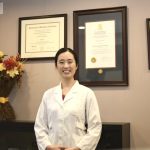
I am Dr. Cindy Li of Excel Dental at 49 East Avenue South in Hamilton, and I enjoy helping families from the North End and across the city feel calm and informed when they need oral surgery. Many people arrive at my office feeling anxious about “surgery,” and my goal is always to explain your options clearly, keep you comfortable, and guide you through every step so your mouth can heal properly and you can get back to your normal routine.
What kinds of oral surgery do I provide near Hamilton’s North End?
As a general dentist with advanced training in oral surgery, I provide many of the most common procedures right here in my Hamilton office. This includes simple and surgical extractions, wisdom teeth removal, dental implants, gum and bone grafting, and minor soft-tissue procedures such as frenectomies and biopsies. When a case is very complex or requires specialized care, I collaborate closely with trusted oral and maxillofacial surgeons in our community.
My approach is to treat surgery as part of a bigger oral health plan, not a one‑off event. I look carefully at your bite, your gums, and your overall health so we can choose the least invasive option that will still solve the problem. For patients from the North End, our downtown location is a short drive or bus ride away, which makes follow‑up visits and checks much easier.
Comfortable tooth extractions to protect your oral health
Tooth removal is one of the most common oral surgery procedures I perform. Sometimes a tooth is too damaged by decay, trauma, or infection to save, even with root canal treatment or crowns. In those cases, a careful extraction can remove the source of pain and prevent the infection from spreading. I always begin with a thorough exam and digital X‑rays so there are no surprises during the procedure.
Comfort is a priority at every stage. I use effective local anesthetic so the tooth and surrounding tissues are fully numb, and I work slowly and gently to minimize pressure and post‑operative soreness. For anxious patients, we can discuss additional options to help you relax. After the extraction, I will review clear home‑care instructions, prescribe medication if needed, and book a follow‑up visit so I can check your healing in person.
Wisdom teeth removal for long-term comfort
Wisdom teeth can cause trouble in your late teens and twenties, but sometimes not until later in adult life. I often see North End patients with wisdom teeth that are impacted, partially erupted, or crowding the rest of the bite. These situations can lead to pain, gum infections, decay in neighbouring teeth, and even damage to the jawbone if they are left untreated.
When I assess wisdom teeth, I look at your age, your jaw size, and the tooth position on X‑rays to decide whether removal is truly necessary. If we do decide to remove them, I will explain the entire plan, from the type of anesthetic we will use to how long the recovery should take. Many patients are surprised at how straightforward the experience is when they know what to expect and feel listened to throughout the process.
Dental implants to replace missing teeth
Dental implants are one of my favourite tools for restoring a strong, natural-looking smile. An implant is a small titanium post placed in the jawbone that acts like a new tooth root. Once it heals, I place a custom crown, bridge, or denture attachment on top. This can be a great option if you have lost a tooth due to decay, trauma, or gum disease and want a solution that feels secure and helps preserve your jawbone.
Not everyone is an ideal candidate for implants, so I start with a detailed assessment that includes your medical history, bone quality, and gum health. In some cases, we may need to do bone grafting or gum treatment before placing an implant. I walk my patients step by step through the process and timelines, because understanding what is happening at each stage usually makes the experience feel much less intimidating.
Gum surgery and bone grafting to support your smile
Healthy gums and bone are the foundation for stable teeth and successful implants. In my practice, I sometimes recommend gum surgery to treat advanced periodontal disease, correct gum recession, or reshape the gumline around teeth or crowns. These procedures can reduce inflammation, make cleaning easier, and improve the appearance of your smile.
Bone grafting is another procedure I use to rebuild areas where bone has been lost, often after an extraction or due to long‑standing tooth loss. By placing carefully chosen graft materials and allowing them to heal, we can often create enough support for a future implant. I know the word “graft” can sound scary, so I take time to explain where the material comes from, how your body will integrate it, and what kind of healing you can expect week by week.
Sedation and comfort options for anxious patients
Dental fear is very real, and it is something I take seriously. Many patients from the North End tell me they delayed treatment for years because of one bad experience elsewhere. When I meet someone who is nervous, I slow the appointment down, listen to their concerns, and explain each step in simple language before I begin. Often, just understanding what is happening and knowing they can pause at any time makes a huge difference.
For patients with moderate to severe anxiety or those having longer procedures, I offer additional comfort options beyond local freezing. These may include oral medication or nitrous oxide, depending on your health and the complexity of the surgery. Together, we choose the safest option that allows you to stay relaxed while I focus on the technical work. My team and I monitor you closely during and after treatment to keep you safe and comfortable.
What to expect before, during, and after oral surgery
Before surgery, I always start with a full consultation and necessary imaging. This is your time to ask questions and for me to gather information about your medications, medical conditions, and past dental experiences. I will give you clear instructions about eating, drinking, and medications so you can come to your appointment prepared and relaxed.
During the procedure, my priority is to keep you pain‑free and informed. I will let you know what kind of sensations you may feel, such as pressure or vibration, and how long each part is likely to take. After surgery, you will leave with written instructions tailored to your specific procedure, including how to manage bleeding, swelling, and discomfort, what to eat, and when to resume normal activities. I schedule follow‑up visits when needed and encourage you to contact my office if anything does not feel right during your recovery.
FAQ: Oral surgery questions I hear from Hamilton patients
Will oral surgery hurt?
Most of my patients are surprised at how little they feel during treatment. I use local anesthetic to numb the area completely so you should not feel pain, only some pressure. After the procedure, mild to moderate soreness is normal, but I will explain how to manage it with cold compresses, rest, and appropriate pain relievers.
How long will I need off work or school after surgery?
This depends on the procedure and the type of work you do. For a simple extraction, many patients return to work the next day. For wisdom teeth removal or multiple extractions, I usually suggest planning 2 to 3 days of rest. Heavy physical jobs may require a bit more time before you resume full duties.
Do I really need to remove my wisdom teeth if they don’t hurt?
Pain is only one factor I look at. Wisdom teeth that are impacted or hard to clean can still cause decay, gum disease, or damage to neighbouring teeth even if they are not painful yet. I rely on your symptoms, my clinical exam, and X‑rays to decide whether it is safer to monitor or to remove them.
What is recovery like after dental implant placement?
Most patients describe implant recovery as easier than they expected. You may have mild swelling and discomfort for a few days, which is usually manageable with over‑the‑counter pain medication. The deeper part of healing, where the bone fuses with the implant, takes several months, but that process is not usually painful.
Is sedation safe for me?
Sedation is very safe when it is planned carefully. I review your medical history, medications, allergies, and any past reactions before recommending a specific option. During the procedure, my team and I monitor you closely. I will only offer sedation if I am confident it is appropriate for your health and the planned surgery.
What can I eat after oral surgery?
For the first day or two, I suggest soft, cool foods like yogurt, smoothies (with a spoon, not a straw), mashed potatoes, scrambled eggs, and soup that is warm, not hot. As you feel more comfortable, you can slowly return to your regular diet, avoiding crunchy, hard, or very spicy foods until your mouth has healed more fully.
How do I prevent infection after surgery?
In my instructions, I emphasize gentle care. That includes keeping the area clean without aggressive rinsing, avoiding smoking or vaping, and taking any prescribed medications exactly as directed. If you notice increasing pain, swelling, a bad taste, or fever, contact my office promptly so I can assess you.
Can I drive myself home after my procedure?
If you receive only local anesthetic, most patients can safely drive themselves home. If we use oral sedation or nitrous in a way that affects your alertness, you will need a responsible adult to drive you and stay with you for a period afterward. I will tell you clearly before your appointment whether you will need a driver.
What if I am nervous about needles or freezing?
You are not alone; many people feel this way. I use topical numbing gel first so you barely feel the injection and I work slowly, communicating throughout. If your fear is significant, we can talk about additional calming options and ways to break the visit into smaller steps so you feel more in control.
How much does oral surgery cost, and will my insurance help?
Costs vary based on the type and complexity of the procedure. During your consultation, my team can provide a written estimate and help you submit pre‑determinations to your insurance plan. I try to be transparent about fees so you can make informed decisions without surprises.
Do I really need a bone graft?
I only recommend grafting when I believe it will significantly improve your long‑term outcome, such as supporting an implant or preventing your jaw from collapsing after a large extraction site. I will show you your X‑rays and explain exactly what we are trying to achieve so you can decide with confidence.
More information about oral surgery and dental care in Ontario
If you would like to read more about oral surgery and dental standards in our province, the Ontario Dental Association at oda.ca provides patient‑friendly articles on many dental topics, including extractions, implants, and gum disease. The Ontario Ministry of Health site at ontario.ca has information on public health programs and guidance related to dental care, while the Canadian Dental Association at cda-adc.ca offers national resources on treatment options, prevention, and what to expect at the dentist. These sites are reliable references if you want to learn more between visits.
If you have been putting off oral surgery or you are unsure what your options are, I invite you to call my office at 905-529-2164 so we can talk through your situation and plan care that feels comfortable and right for you.